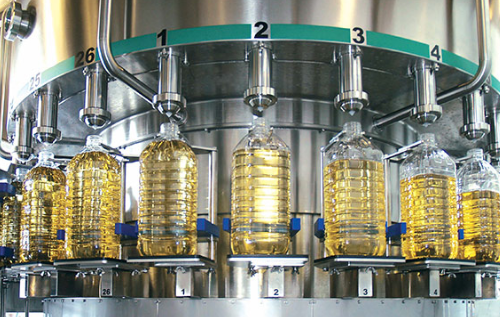
What is good edible oil?
1.Relatively balanced fatty acid composition and triglyceride structure
2.Abundant beneficial minor components
3.Absence or negligible levels of substances harmful to health.
Four Hard Standards for High-Quality Cooking Oil (Use this checklist when buying)
1.
Prioritize Fatty Acid CompositionPreferred: Low in saturated fatty acids, rich in monounsaturated fatty acids (oleic acid), and containing some Omega-3.
Monounsaturated fatty acids (oleic acid): Help stabilize blood lipids and withstand high heat; suitable for Chinese-style stir-frying (e.g., camellia oil, "double-low" rapeseed oil, high-oleic peanut/sunflower oil).
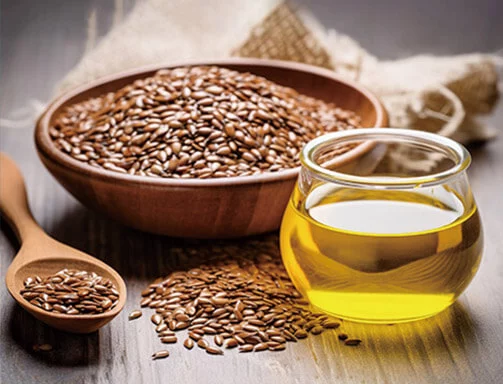
Omega-3 (alpha-linolenic acid): Cannot be synthesized by the body; protects blood vessels and eyes. Flaxseed oil and perilla oil have the highest content but cannot withstand high heat; use only for cold dishes/dressings.
Omega-6 (linoleic acid): Found in most vegetable oils; avoid relying solely on soybean oil or regular sunflower oil for the long term, as excessive Omega-6 intake can aggravate low-grade inflammation in the body.
2.
Match Smoke Point to Cooking Method (Most Important Safety Indicator)Smoke point = the temperature at which oil begins to smoke; once it smokes, harmful substances (aldehydes) are produced.
High-heat stir-frying or braising: Choose refined Grade 1 oil; smoke point ≥ 200°C.
Recommended: Refined rapeseed oil, refined peanut oil, refined camellia oil, corn oil.
Low-to-medium heat pan-frying or stewing: Refined olive oil, regular peanut oil.
Cold dressing or drizzling before serving: Extra virgin olive oil, flaxseed oil, perilla oil, walnut oil.
Understand Processing MethodsPressed vs. Solvent-Extracted
As long as they meet national standards, solvent-extracted oils are safe to eat.
Pressed oils (physical extraction) better retain flavor and natural Vitamin E; prioritize these.
Solvent-extracted oils have lower production costs and fewer impurities after refining, offering good value for money.
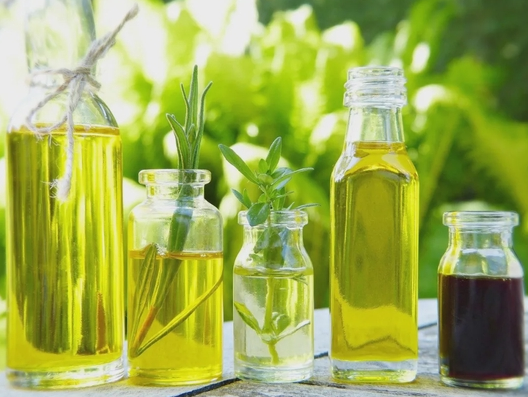
Grade Distinctions
Grade 1 oil: Highly refined, high smoke point, few impurities; suitable for high-heat stir-frying. Some natural aroma and trace bioactive substances are lost.
Grade 3/4 pressed crude oil: Strong aroma, high nutrient retention, lower smoke point; suitable for low-temperature cooking.
A higher grade doesn't necessarily mean it's healthier—it depends on the intended use! Key Tips to Avoid Pitfalls
Don't blindly trust "artisanal" or "farm-pressed" oils: Without refining, they are prone to containing aflatoxins and impurities, posing much higher risks than standard bottled oils.
Watch out for blended oils that don't list ingredient ratios; check the proportions carefully, as many low-priced blends use soybean oil as the base.
Freshness > Brand or Price
Oils can oxidize and go rancid; oxidized oil promotes inflammation and damages blood vessels:
Choose dark-colored bottles (brown or green) to block light; clear plastic jugs make the oil spoil more easily.
Prioritize smaller packages (sized to be consumed within 2–3 months); keep the cap tightly closed after opening and store away from the high heat of the stovetop.
A rancid or off-putting odor indicates the oil has completely spoiled—discard it immediately.