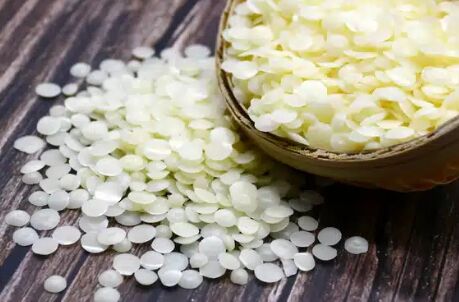
There are plenty of Rice Bran wax benefits. It is edible, so it can be safely used in a variety of foodstuffs, supplements and medicines. It also has a high melting point, which means that it can be used as an effective substitute for Carnauba wax. Those in the cosmetics industry love that it strengthens and thickens formulations and also delivers an attractive, glossy finish. The wax is pale in colour and has a low acid value too.
Obtained through the cold press de-waxing of rice oil and which yields a yellow, hard natural wax with a high melt point.
Comparison with Other Waxes
Compared to beeswax, rice bran wax has a higher melting point and greater hardness, but slightly less ductility. While carnauba wax is even harder, it is typically 2 to 3 times more expensive than rice bran wax. Paraffin wax, although a petroleum derivative and inexpensive, lacks the natural properties and biodegradability of rice bran wax.
In terms of performance balance, rice bran wax offers a good balance of hardness, melting point, and price. This makes it a cost-effective choice in many applications. Its advantages are particularly pronounced in areas requiring natural raw materials.
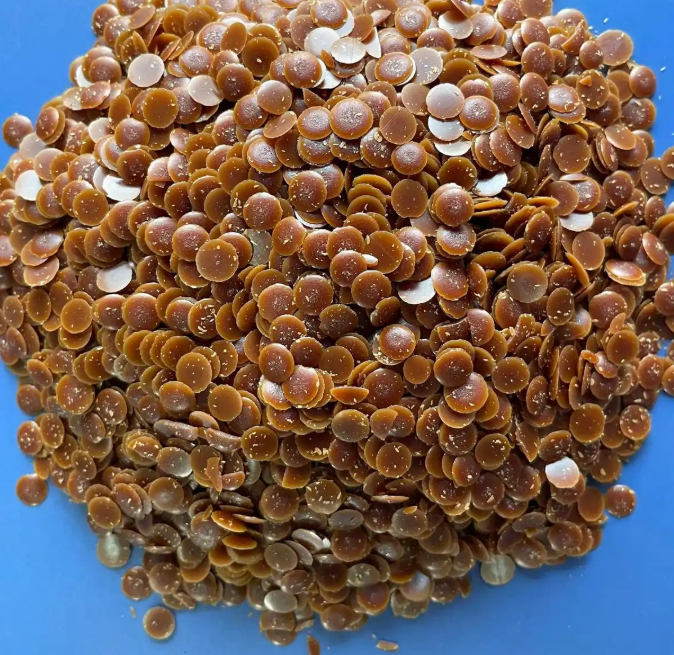
Storage and Transportation Precautions
Rice bran wax should be stored in a cool, dry place, away from direct sunlight. The ideal storage temperature is below 25 degrees Celsius, and the relative humidity should not exceed 65%. For long-term storage, it is recommended to use airtight containers to prevent oxidation.
During transportation, it should be protected from high temperatures and severe vibrations. While block rice bran wax is relatively sturdy, powdered products require special care to prevent moisture damage. Store separately from other chemicals to avoid cross-contamination.
Market Status
Currently, the global annual production of rice bran wax is approximately tens of thousands of tons, with major producing countries including China, Japan, and India. Market prices vary depending on purity, with food-grade products typically priced between 50 and 80 RMB per kilogram, while industrial-grade products are cheaper.
Market demand shows a stable growth trend, especially in the natural products sector. With increasing consumer awareness of environmental protection and health, rice bran wax, as a sustainable natural raw material, has broad application prospects.
Quality Control Standards
Food-grade rice bran wax must comply with relevant national food safety standards, with strict requirements on indicators such as heavy metal content and pesticide residues. Industrial-grade products mainly focus on physicochemical indicators such as melting point, acid value, and saponification value.
High-quality rice bran wax should have a uniform color and texture, free of impurities and odors. When purchasing, check the product's quality inspection report and relevant certifications to ensure it meets usage requirements.
Future Development Trends
With technological advancements, the extraction efficiency and purity of rice bran wax will further improve. New application areas such as 3D printing materials and biodegradable packaging are under development. Researchers are also exploring the potential uses of rice bran wax in more fields.
The increasing popularity of sustainable development concepts will boost market demand for rice bran wax. As a high-value-added utilization of agricultural by-products, rice bran wax production aligns with the principles of a circular economy and has significant environmental benefits.
As a multifunctional natural material, rice bran wax plays an important role in multiple fields. Understanding its properties and applications will help to better utilize this resource. With technological advancements and changing market demands, the application scope of rice bran wax is expected to further expand.
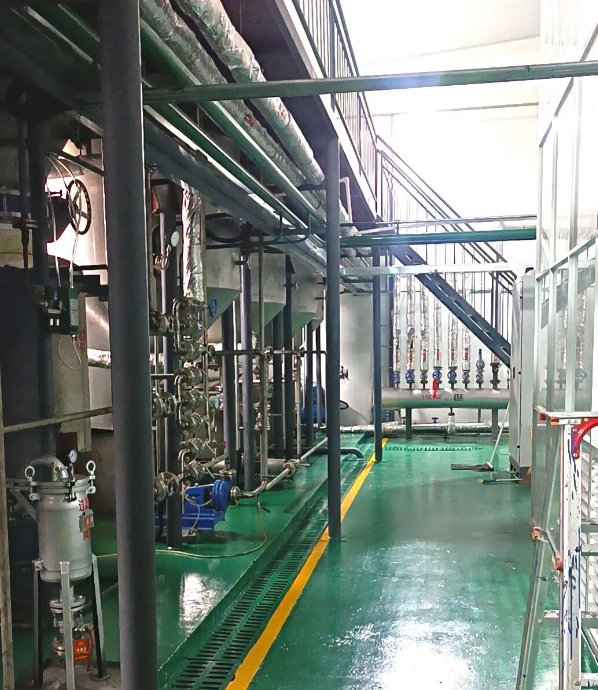
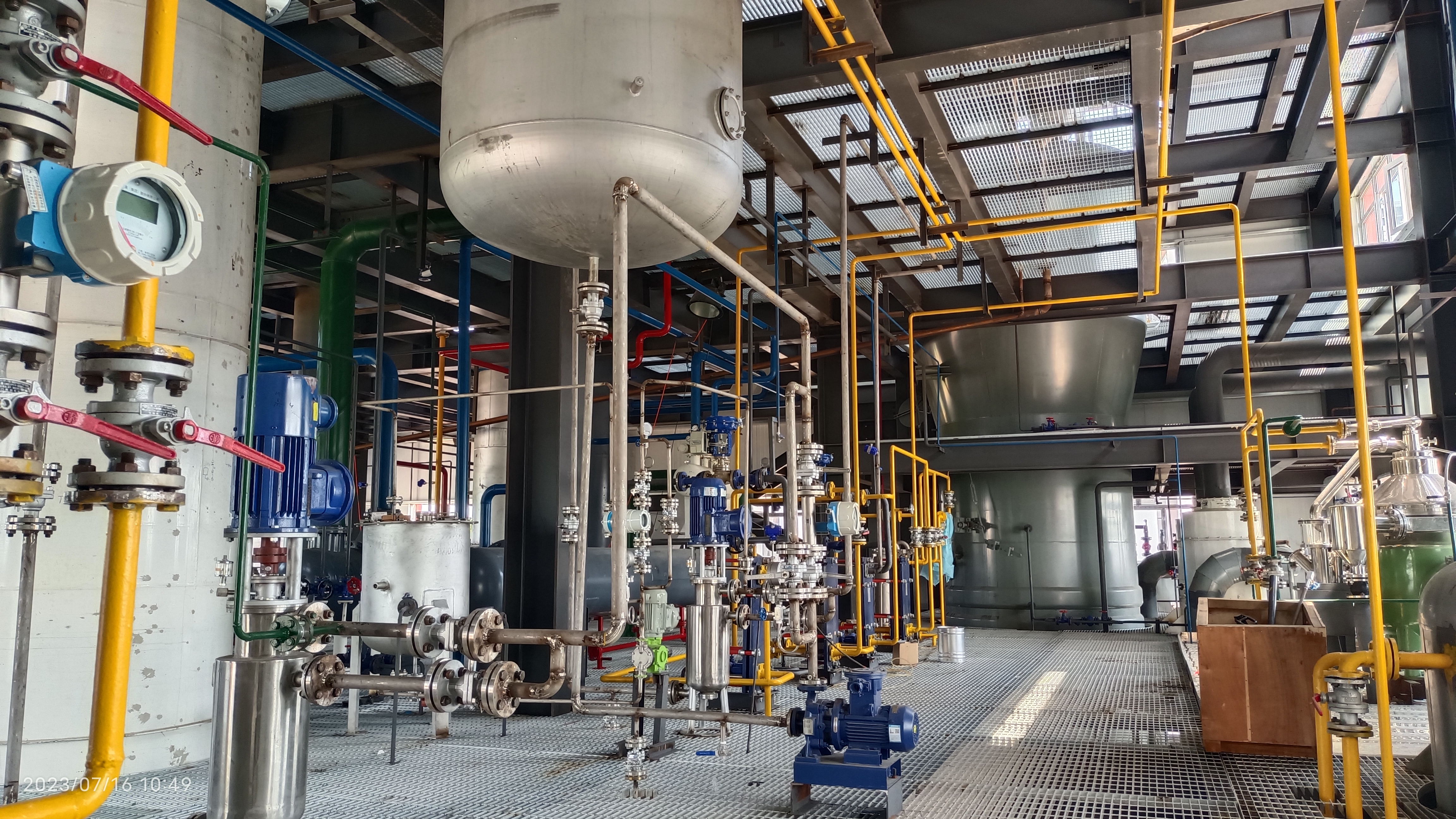
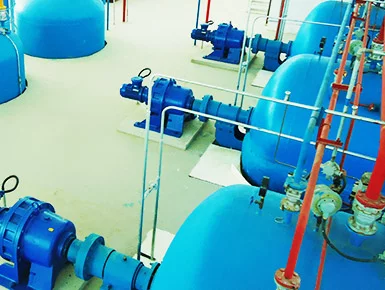
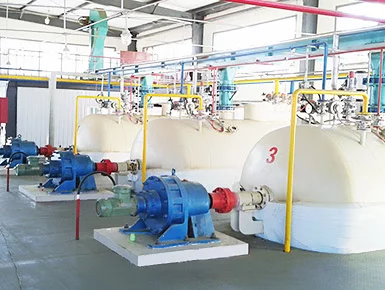
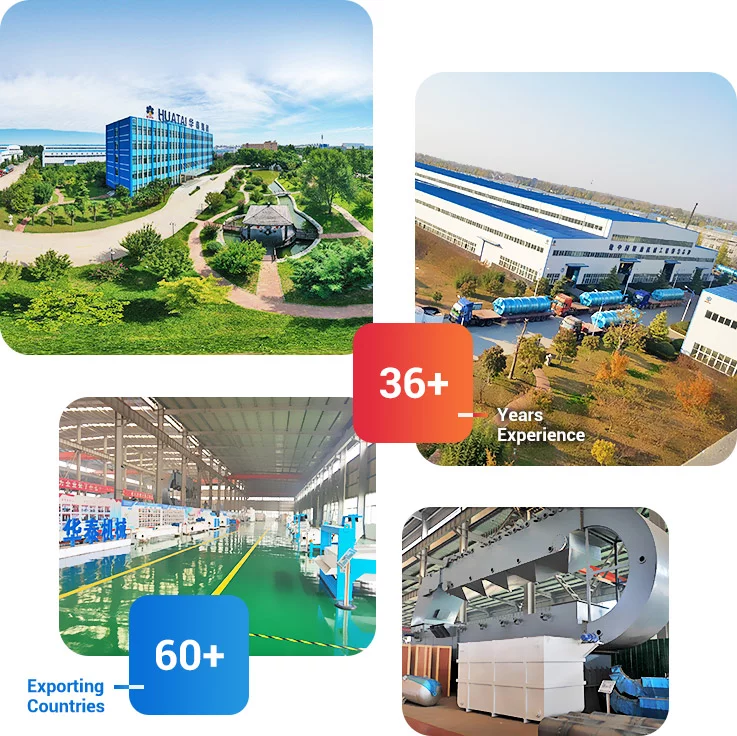
Our custom solutions come from a deep understanding of your needs, and we have the capability to complete
rice bran wax processing mill project from the design of the initial concept to manufacturing, installation, commissioning and delivery.