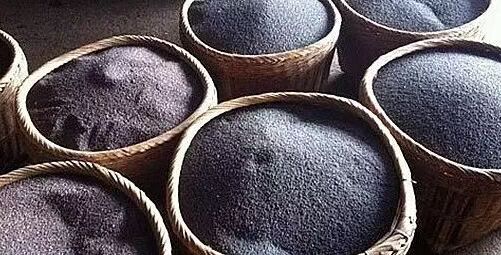
Oil extraction by pressing, also known as physical pressing, is a method that uses mechanical force to squeeze oil out of oilseeds. It is a traditional method of oil extraction and includes three types: manual oil presses, hydraulic oil presses, and screw oil presses. The most widely used oil pressing machinery today is the screw oil press. Compared with manual pressing and hydraulic oil presses, it has the advantages of large processing capacity, continuous production, low labor intensity, and high oil yield.
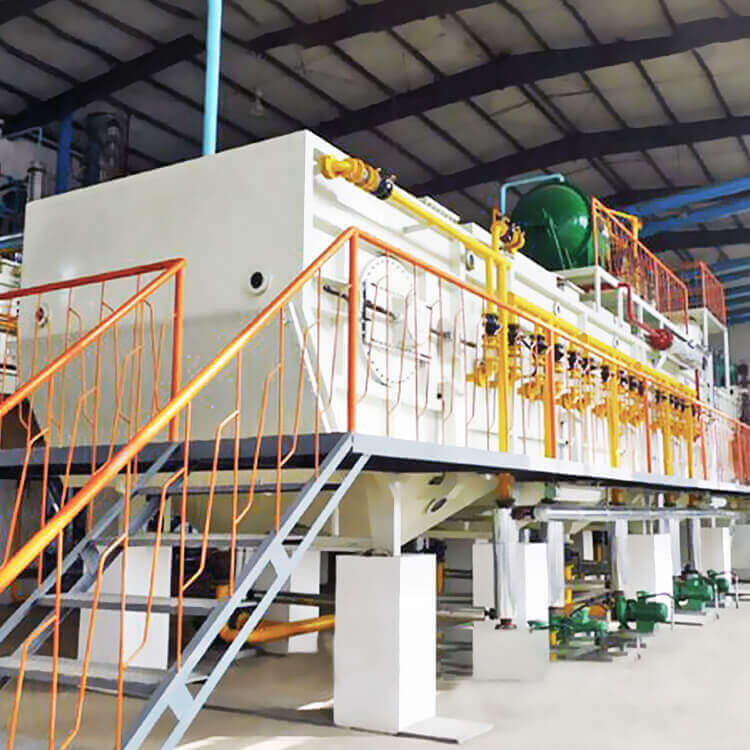
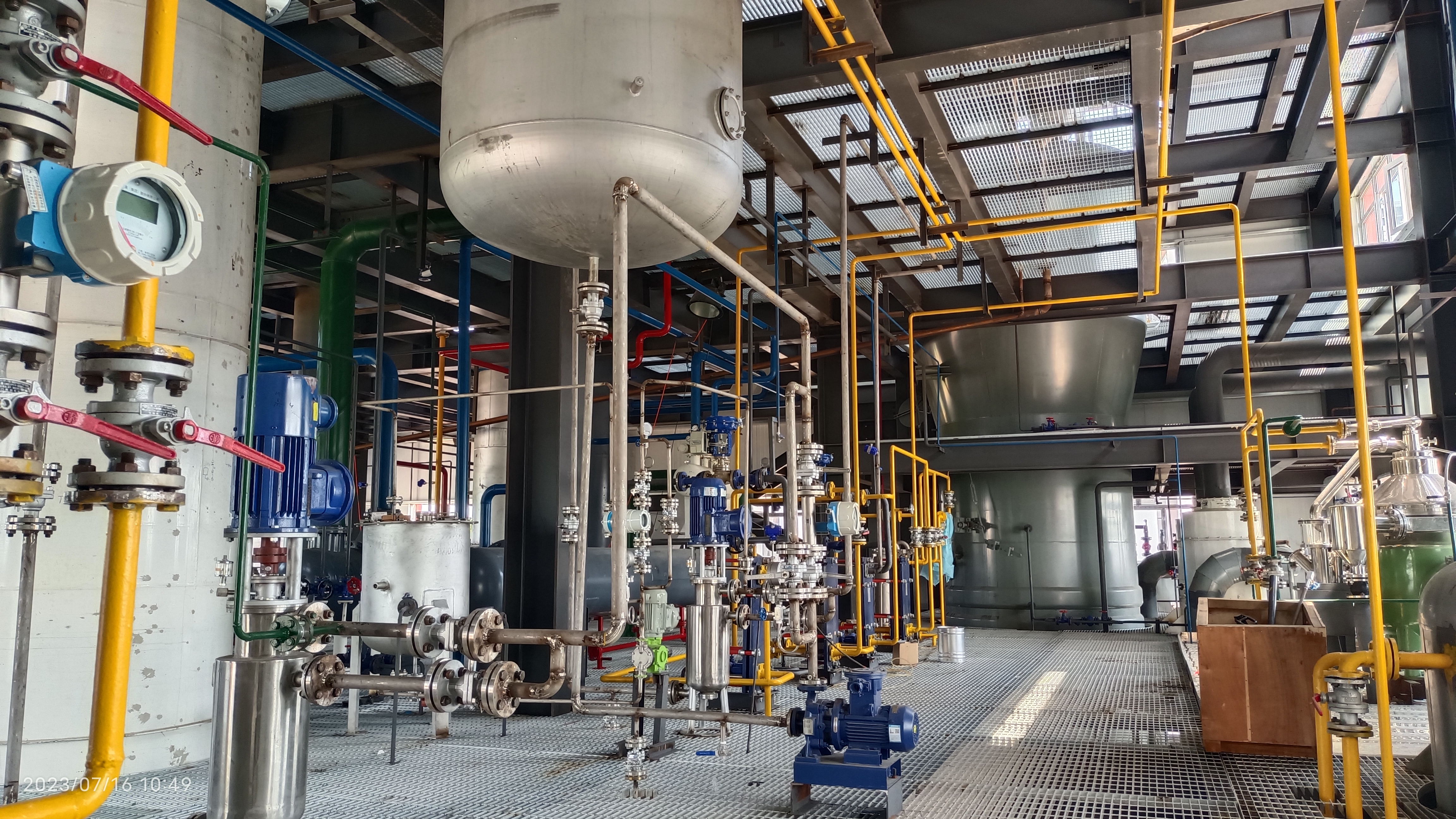
Screw oil presses are suitable for extracting oil from various oilseeds, such as rapeseed, soybeans, cottonseed kernels, and rice bran. They are especially useful for extracting oil from oilseeds where preserving their original natural flavor or properties is crucial, such as camellia seeds, sesame seeds, cocoa beans, and castor seeds. Solvent extraction, a method that uses the chemical solvent n-hexane for "solid-liquid extraction," is a more advanced oil extraction method than pressing. It offers advantages such as high oil yield, good meal quality, low processing costs, a favorable production environment, and fewer operators. This advanced oil extraction technology is widely used worldwide. Pre-pressing/expansion extraction is used for high-oil-content oilseeds. A portion of the oil is first extracted by pressing, and the remaining oil in the pressed cake is then extracted using
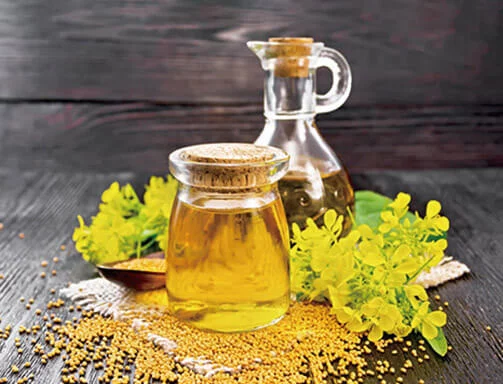
solvent extraction. The vast majority of large and medium-sized rapeseed oil mills in my country employ a high-temperature pre-pressing-extraction process. The rapeseed extraction process generally involves pre-pressing, extraction, and refining, with specific steps including: rapeseed → cleaning → softening → rolling → steaming and roasting → pre-pressing → extraction → crude oil. Due to low rapeseed planting profits in recent years and the cancellation of the temporary reserve policy in 2015, domestic rapeseed production has declined for several consecutive years, putting large and medium-sized oil mills (extraction oil mills) inland in a difficult situation. Meanwhile, small-scale pressing and cold-pressed rapeseed oil have seen rapid development.
Rapeseed oil produced using small-scale oil presses, with its rich aroma, is commonly referred to in the market as "fragrant rapeseed oil," also known as "small-scale pressed rapeseed oil." The roasting temperature of rapeseed processed in small-scale oil pressing reaches as high as 150 degrees Celsius. Compared to cold pressing, small-scale pressing is a hot pressing process, primarily using hydraulic presses and 95-type screw oil presses. The pressed cake undergoes a very high degree of thermal denaturation. Except for a small amount used directly as animal feed or fertilizer, most is sold to large-scale oil processing enterprises for solvent extraction to remove residual oil.
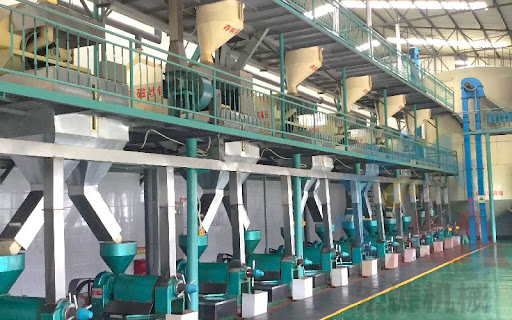
Cold pressing, also known as low-temperature pressing, refers to the extraction of oil from oilseeds directly through mechanical force without steaming or roasting. Compared to traditional processes, it minimizes the damage to nutrients and yields both high-quality oil and oil cake, making it a "green and environmentally friendly" oil extraction process. Low-temperature pressed oil refers to edible vegetable oil obtained through purely physical pressing, without heat treatment, using only physical means to remove impurities. Low-temperature pressing eliminates the rolling and steaming processes in traditional methods, significantly reducing energy consumption in rapeseed processing.
The cold-pressing process is as follows:
Rapeseed → Cleaning → Conditioning and Drying → Peeling and Separation → Conditioning with Water → Cold Pressing
Rapeseed Oil Cleaning: The raw materials for cold-pressed oil must be carefully selected; otherwise, the quality of the cold-pressed oil will be seriously affected by differences in the maturity of the raw materials and the presence of harmful substances such as aflatoxin in moldy oilseeds.
Conditioning and Drying: The purpose of conditioning and drying is to remove free moisture and odor from the rapeseed and kill various molds. The drying temperature should not exceed 50 degrees Celsius. Through conditioning and drying, the internal moisture of the rapeseed concentrates in the skin. After thermal expansion and contraction, the skin and the rapeseed kernel are easily separated. Drying methods can include microwave heating and hot air drying.
Peeling and Separation: Rapeseed contains 16%-20% skin, which contains a large amount of crude fiber, phytic acid, tannins, and other anti-nutritional factors. Rapeseed dehulling significantly improves crude oil quality, reduces refining costs, increases the protein content and color of rapeseed cake, enhances its feed value, and reduces equipment wear and energy consumption. One type of dehulling equipment is the impact-type rapeseed dehuller. Its dehulling principle is as follows: the dehuller operates centrifugally, accelerating the raw material before processing, which then impacts the baffle at high speed. Under the powerful impact, the rapeseed breaks apart and is dehulled. Another type of rapeseed dehulling unit is similar to soybean dehulling, utilizing multiple actions such as shearing, extrusion, and rubbing simultaneously for dehulling. The kernel-peel mixture processed by the dehuller is separated by a vibrating screen. Utilizing the difference in suspension velocity between the kernel and peel components after dehulling, under the combined action of vibration and airflow, the peel floats on top and is sucked away by the airflow, while the kernel sinks to the bottom and is discharged from the front outlet of the kernel-peel separator.
Water conditioning: The purpose of water conditioning is threefold: first, hydrophilic substances in rapeseed, such as proteins and sugars, absorb water and swell, thereby disrupting the cell structure and facilitating oil extraction; second, phospholipids in rapeseed absorb water and swell, combining with proteins and remaining in the cake, reducing the phospholipid content in the oil; and third, adding water adjusts the elasticity and plasticity of the feed material, making it easier to form the cake and extract oil. Water conditioning is a key technology in cold pressing. Too much water results in low press pressure and more oil residue; too little water makes it difficult to form the cake.
Cold pressing: After peeling, the cell walls of rapeseed are almost undamaged, and the affinity between lipid bodies and protein bodies in the cells remains strong. Furthermore, peeled rapeseed has a high oil content, requiring a press with a high compression ratio, such as a level 6 or higher press. Ordinary single-screw oil presses produce very high residual oil in cold-pressed cakes, requiring secondary or tertiary pressing. Twin-screw oil presses, on the other hand, have strong pressing capacity and high efficiency, producing low residual oil in a single press cake, making them more suitable for cold pressing of rapeseed.
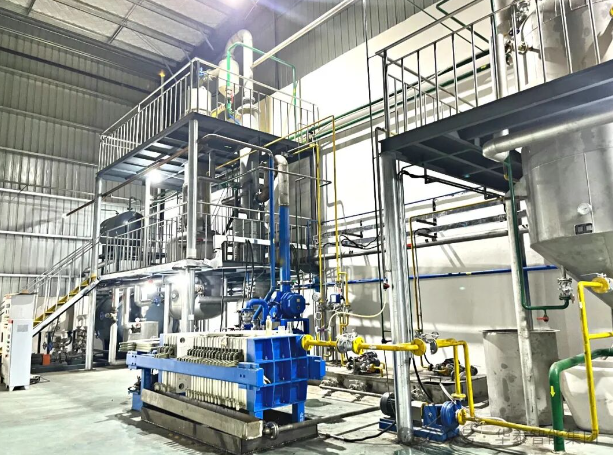
Small-batch pressed, fragrant rapeseed oil products tend to focus on flavor, while cold-pressed rapeseed oil excels in color and the preservation of natural components. We have extensive Experience in Setting Up rapeseeds Oil Processing Plants of Different Sizes. The services we can provide include machine selection, production, transportation, installation and commissioning, operator training, etc. You are very welcome to contact us at any time to inquire about rapeseeds oil processing machines information!