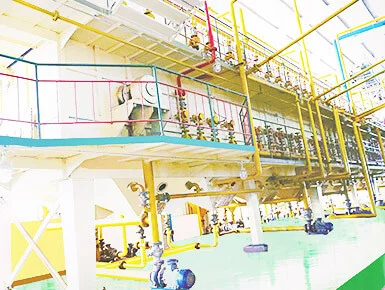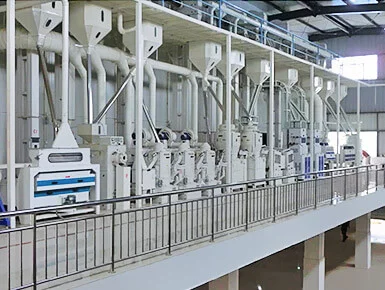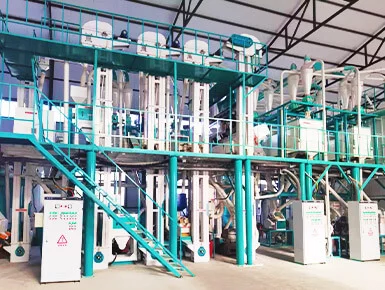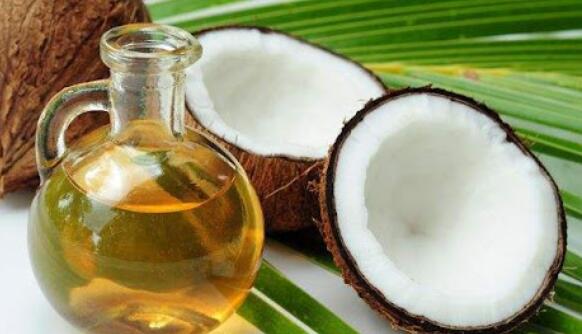
In industrial production,
Coconuts oil processing typically follows two main pathways:
Wet Method (Fresh Coconut Meat → Coconut Milk → Centrifugation → Virgin Coconut Oil / VCO): High-end, cold-pressed, and retains natural aroma and nutrients.
Dry Method (Fresh Coconut Meat → Dried Copra → Pressing → Refined Coconut Oil / RBD): High yield, low cost, colorless and odorless; primarily used in the food industry.
I. Raw Material Pre-treatment (Fresh Coconuts)
Selection: Mature, aged coconuts (brown shells, thick meat); reject cracked or moldy fruits.
De-shelling and Meat Extraction:
Mechanical de-shelling → Halving → Meat scooping → Skin removal (removing the brown testa to prevent astringency and discoloration).
Washing / Grinding: Wash coconut meat → Slice / Shred → High-speed grinding into coconut slurry (particle size: 0.5–2 mm).
II. Coconut Milk Extraction (Key Step)
Screw Press: Continuously squeeze the coconut slurry to extract concentrated coconut milk (oil content: 25–35%); the remaining coconut residue (moisture content: ~50%) can be processed into animal feed or coconut flour.
Parameters: Pressure 80–120 bar; Temperature ≤ 40°C (low temperature preserves aroma).
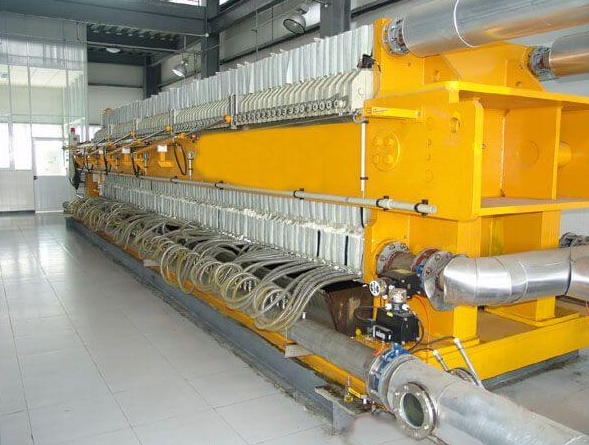
Filtration: Filter the coconut milk using a vibrating screen or plate-and-frame filter press to remove fine solids, yielding a clear emulsion.
III. Centrifugal Separation (Industrial Core)
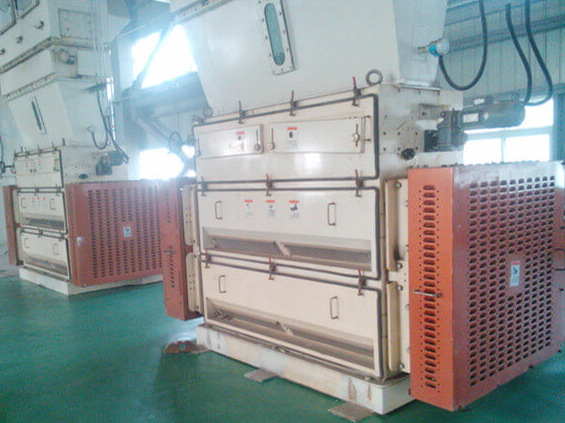
Three-Phase Centrifuge (Cream Separator):
Heat the coconut milk to 40–50°C (to reduce viscosity) → High-speed centrifugation (6000–10000 rpm).
Separation into three layers:
Top Layer: Coconut Cream (Oil Phase; oil content ≥ 90%)
Middle Layer: Skimmed Coconut Milk (Aqueous Phase; can be spray-dried into coconut flour)
Bottom Layer: Solid Residue (Proteins / Fibers)
Secondary Centrifugation: Further refine the coconut cream using a disc-stack centrifuge to obtain crude coconut oil (raw VCO). IV. Demulsification and Drying (Water Removal)
Low-Temperature Heat Demulsification: Jacketed kettle / Plate heat exchanger; short-duration heating at 85–95°C to break the emulsion and evaporate moisture down to ≤0.2%.
Vacuum Drying (High-End Lines): 60–70°C at -0.08 to -0.1 MPa; low-temperature dehydration to preserve a higher content of active ingredients (e.g., lauric acid, Vitamin E).
V. Filtration and Refining (Optional)
Precision Filtration: Plate-and-frame filtration followed by 0.1–0.5 μm membrane filtration to remove trace impurities and suspended solids.
Refining (RBD—commonly applied only to dry-process oils):
Neutralization (removal of free fatty acids) → Bleaching (decolorization using activated carbon/bleaching earth) → Deodorization (removal of odors via high-temperature steam) → Colorless, odorless refined oil.
Fresh coconut wet-process VCO is typically not refined; it undergoes only filtration and drying.
VI. Bottling and Storage
Sterile Environment → Light-blocking, sealed drums/bottles → Room temperature (below 25°C) or refrigerated storage; shelf life: 12–24 months.
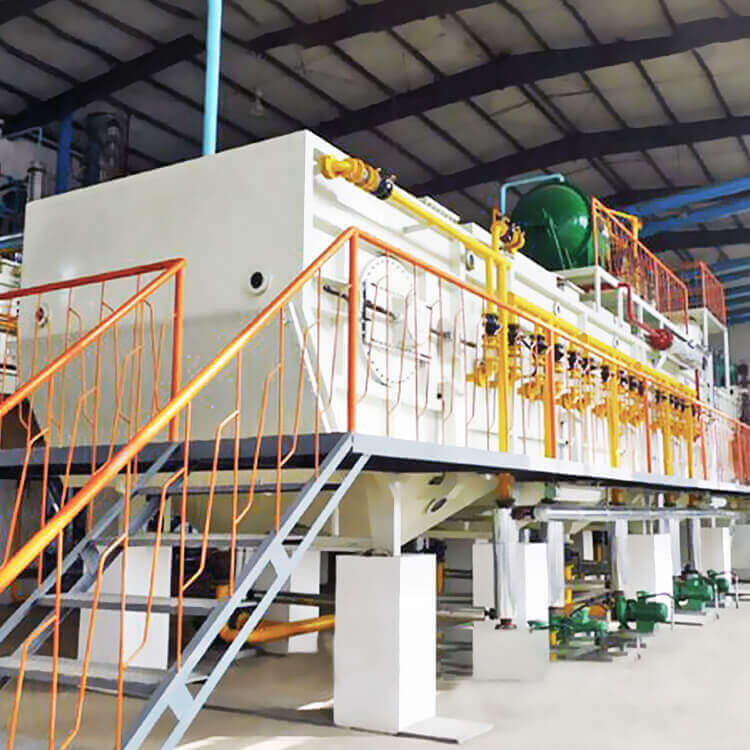
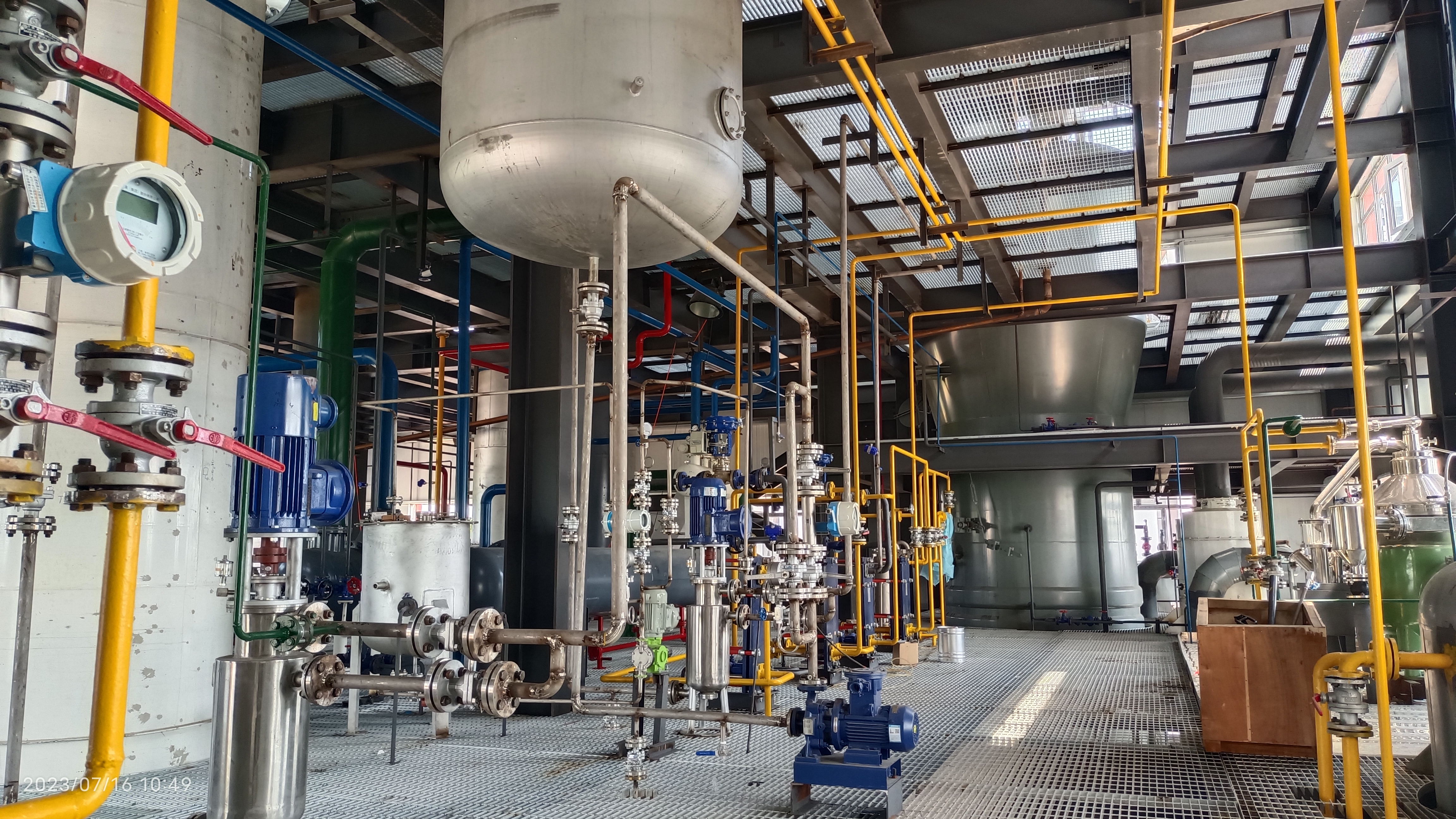
VII. Core Equipment List (Wet Process)
Coconut Splitting Machine, Coconut Meat Scooping Machine, Peeling Machine
High-Speed Pulverizer, Screw Press (for coconut milk extraction)
Vibrating Screen, Plate-and-Frame Filter
Three-Phase Centrifuge, Disc Centrifuge
Vacuum Dryer / Jacketed Heating Vessel
Precision Membrane Filter, Aseptic Filling Machine
VIII. Key Parameters (Industrial Reference)
Moisture Content of Fresh Coconut Meat: 50–55%
Oil Content of Coconut Milk: 25–35%
Centrifugation Temperature: 40–50°C
Final Moisture Content (Post-Drying): ≤0.2%
Oil Yield: Fresh coconut meat → VCO: approx. 18–22%; Copra (dried coconut) → Refined Oil: approx. 35–40%. IX. Wet Process vs. Dry Process (Fresh Coconut)
Wet Process (VCO): Extracted directly from fresh coconuts using low temperatures and no chemical refining → Naturally aromatic, retains nutrients, higher cost (Skincare / Premium Culinary Use).
Dry Process (RBD): Fresh coconuts are dried into copra before pressing → High yield, low cost, odorless and colorless (Baking / Frying / Industrial Use).
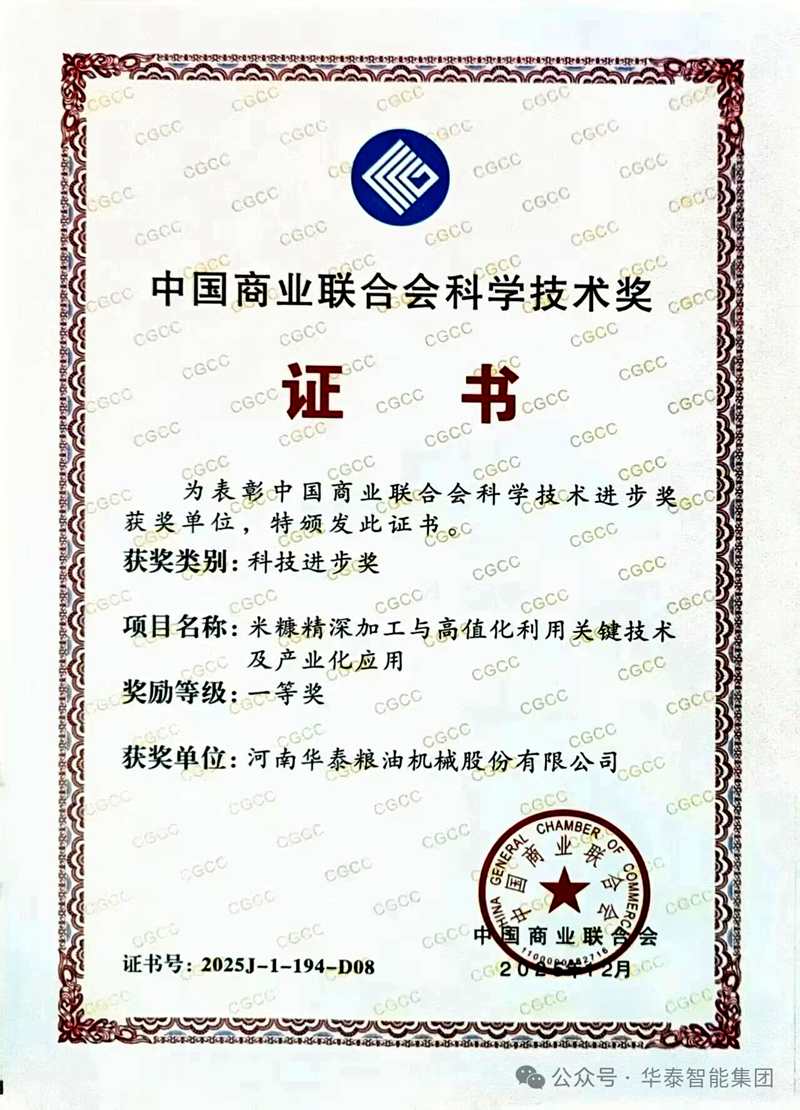
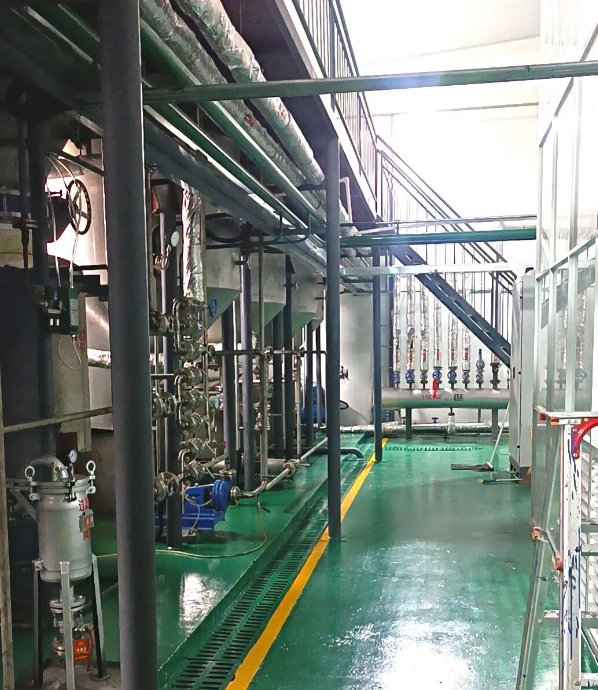
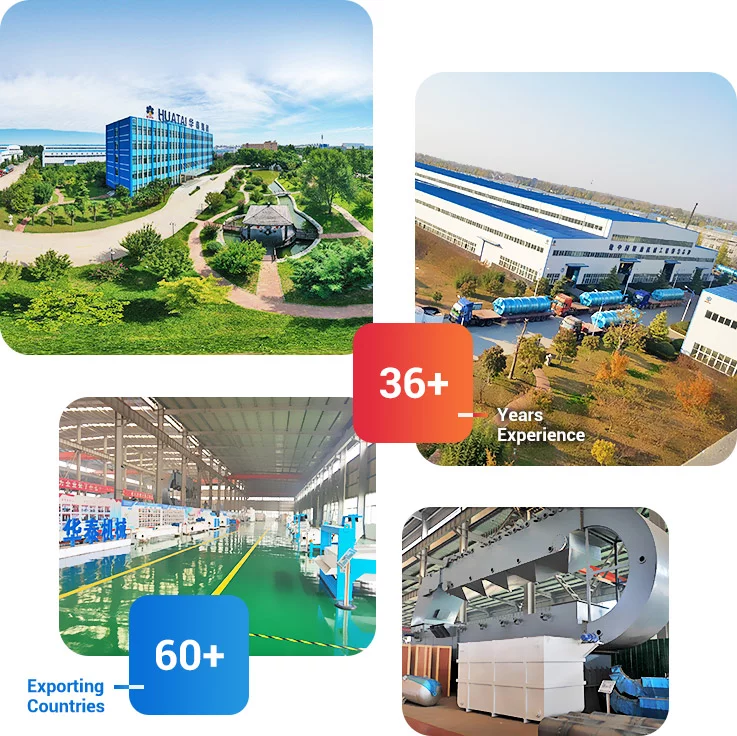
Henan Huatai Cereals and Oils Machinery Co., Ltd. has been committed to the production and research and development of grain and oil machinery for 38+ years. It has mature production and manufacturing processes and skilled technical workers for edible oil processing machine, and is committed to providing customers with high-quality, cost-effective cooking oil equipment, mainly includes cooking oil press machine, edible oil extraction machine, vegetable oil refining equipment, complete edible oil production lines, etc. The equipment models are complete and the quality is good. Also, we provide customized services for
edible oil mills to help clients solve different product needs. Our edible oil processing machine are sold to more than 70 countries and are well received by domestic and foreign customers.