The main ways of extracting capsicum red pigment is oil soluble way, solvent extraction way and supercritical extraction way. Oil soluble way, the separation of oil and pigment is difficult, difficult to get a thick pigment; Investment of supercritical fluid extraction equipment is large, high operation technical requirements, difficult to promote. So Solvent extraction way is widely used in the world.
Solvent extraction method can be divided into the impregnation method, diacolation method, reflux extraction and soxhlet extraction method according to the operation mode.
Before extracting, these methods must crush the pepper into powder, high operation cost.
In addition, the residue after extracting also remain much pigment, the product has high content of impurities, refined cost is expensive, poor availability of residue.
Henan huatai improved the equipment according to the disadvantages of
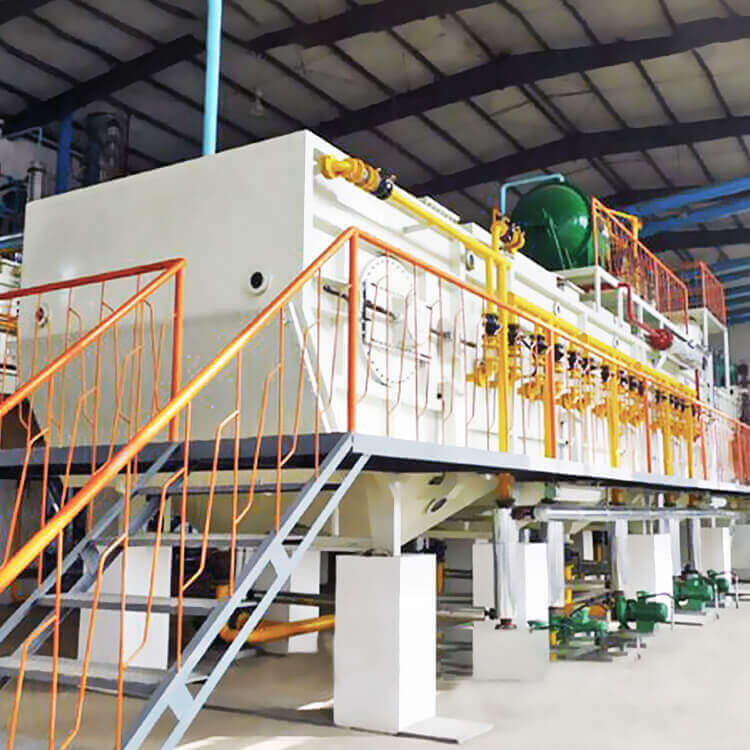
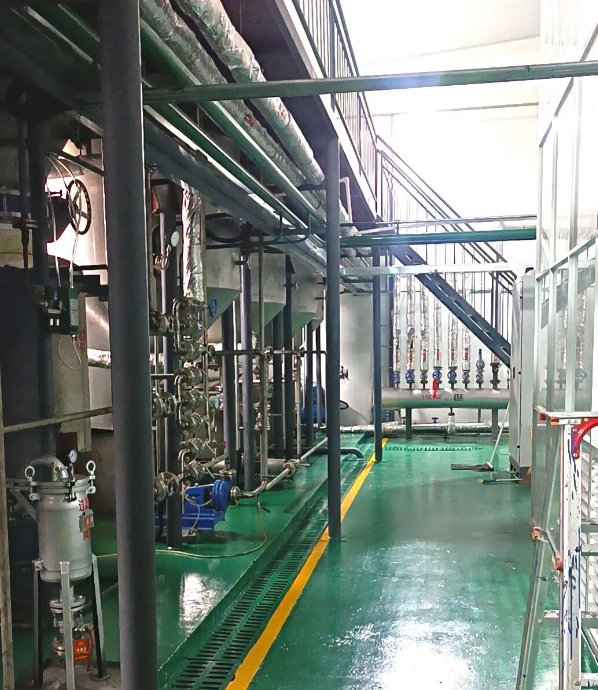
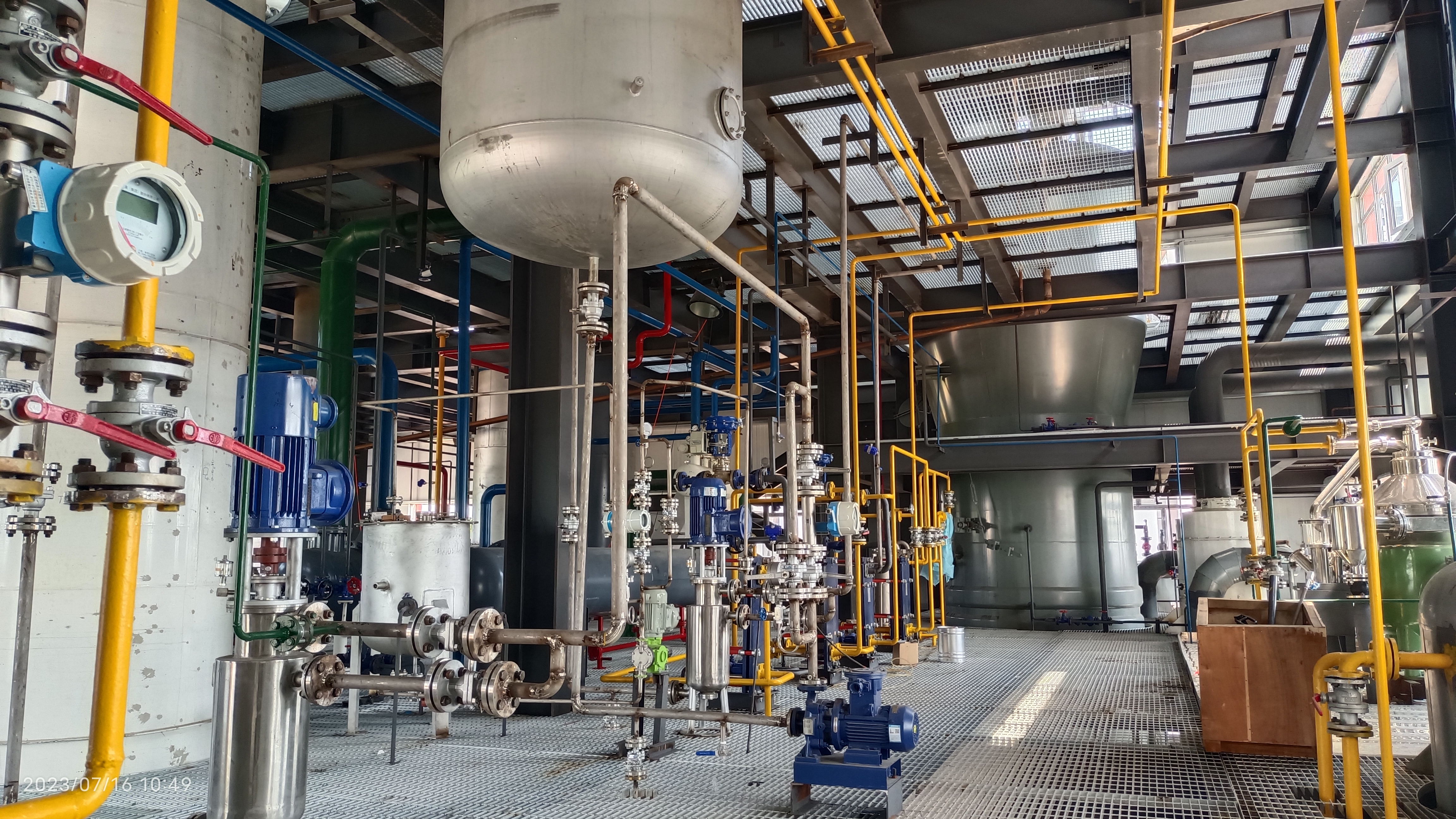
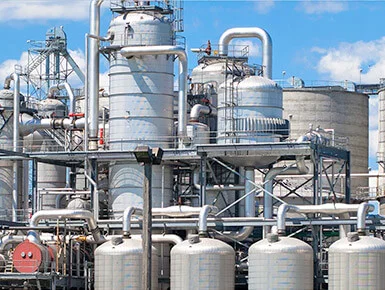
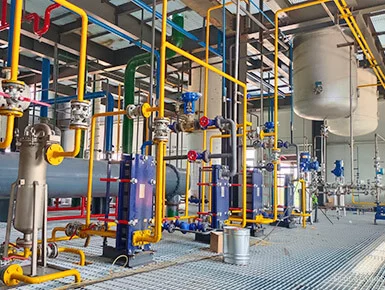
solvent extraction method , developed a processing scheme of high efficiency, high extraction efficiency, low rate of residual rate and low cost, has already been used in many places, obtaining the customers high praise.
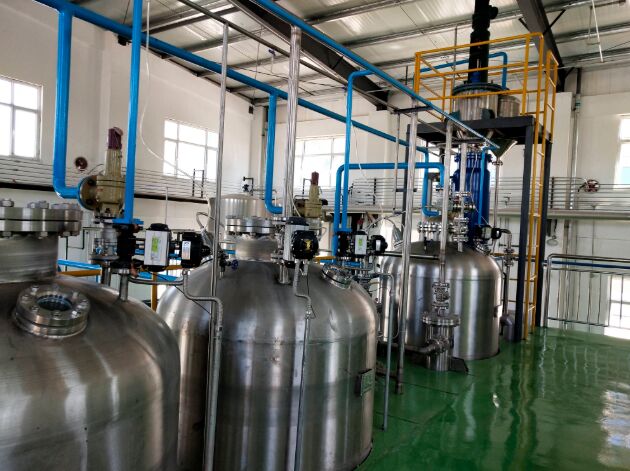
Subcritical Low-Temperature Extraction (Preferred Green Method, 30–35°C)
Medium: Subcritical butane / propane (liquid under low pressure; easily recovered via vaporization at ambient temperature).
Process:
Extraction: 30–35°C, 0.5–0.8 MPa; multi-stage countercurrent extraction; solid-to-solvent ratio of 1:1.3.
Desolventization: Low-pressure, ambient-temperature evaporation; solvent recovery rate ≥95%; yields a deep-red paste.
Decapsaicinization: Extraction and centrifugation using 76% ethanol to separate capsaicinoids from red pigments.
Advantages and Disadvantages: Advantages include color preservation through low-temperature processing, reusability of the residual meal, and a color value of ≥170; the primary disadvantage is the relatively high capital investment required for equipment.
Industrial-Scale Production:
Subcritical low-temperature extraction is the preferred method, balancing considerations of cost, product quality, and environmental protection.