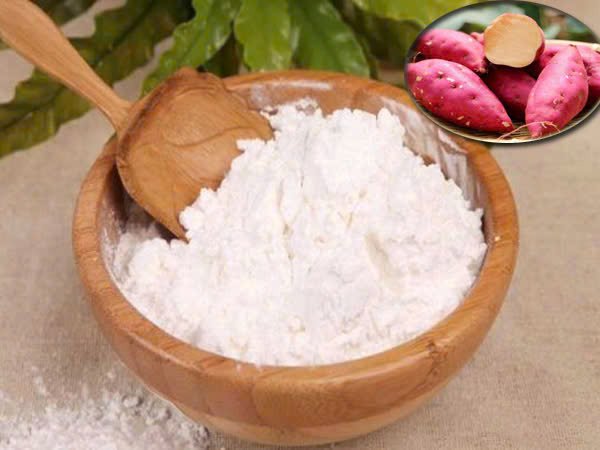
Sweet potatoes are rich in protein, starch, pectin, cellulose, amino acids, vitamins, and various minerals, offering high nutritional and health benefits. In recent years, the development of sweet potato deep processing projects has attracted increasing attention from all sectors of society. Sweet potato deep processing has become a model for developing green and healthy food products, offering low investment, low risk, high profits, and the potential to extend into the entire industry chain.
Sweet Potato Deep Processing Technology
1.
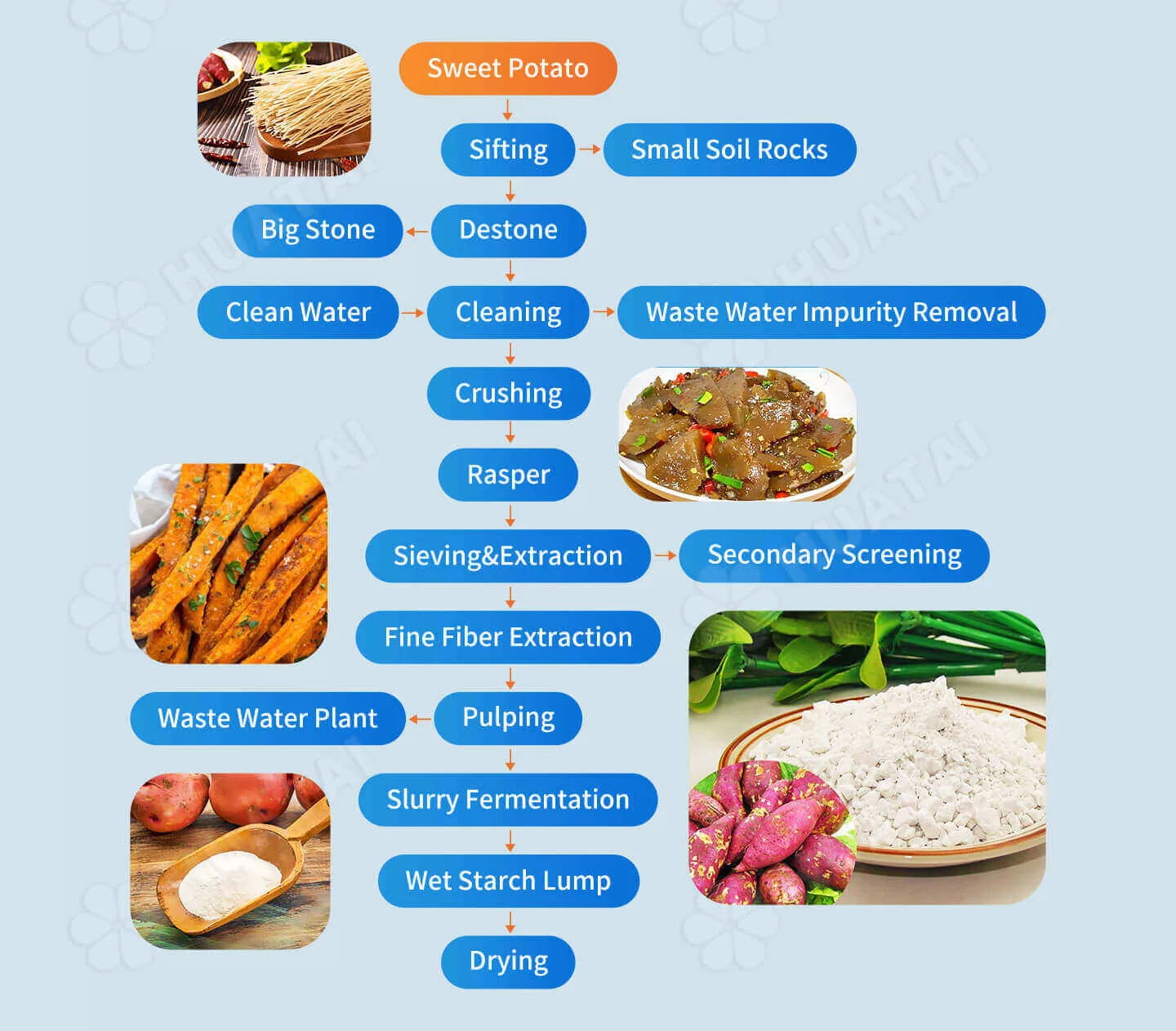
Starch Process: Destoning - Washing - Feeding - Crushing - Separation - Sand Removal - Fine Screening - Concentration - Dehydration - Drying - Screening
2. Mechanical Vermicelli Production Process: Destoning - Washing - Feeding - Crushing - Separation - Sand Removal - Fine Screening - Sedimentation - Stirring - Feeding - Shaping - Aging - Freezing - Loose Powder Drying (Wet starch can be directly processed into vermicelli; dried starch is more prone to losing its adhesiveness)
3.
Manual Vermicelli Production Process:
Destoning - Washing - Feeding - Crushing - Separation - Sand Removal - Fine Screening - Concentration - Dehydration - Drying - Screening - Thickening - Dough Mixing - Secondary Kneading - Hammering and Cooking - Cooking - Cooling - Hanging on Rods - Freezing - Sun-drying
Sweet potatoes are a seasonal processing crop, generally harvested around the time of the first frost. The processing season can last 30-45 days, with smaller-scale processing typically lasting 15-20 days. This is because fresh sweet potatoes used for pulping cannot be stored for too long; prolonged storage reduces the starch saccharification and extraction rate, and the skin softens, making them difficult to crush. Starch processing and vermicelli processing are separate. Sweet potato processing is seasonal, and vermicelli processing should follow after starch processing is complete. The planned starch storage volume should be achieved during the processing period for vermicelli production. For beginners, if funds and local sweet potato planting area allow, a large-scale equipment system can be installed. This system should handle a large volume of starch, with some dried and some stored wet. The dried starch is used for storage and sale, while the wet starch is used for processing vermicelli. For the vermicelli production, the equipment size should be selected based on your sales channels, or the production cycle should be shortened.
For
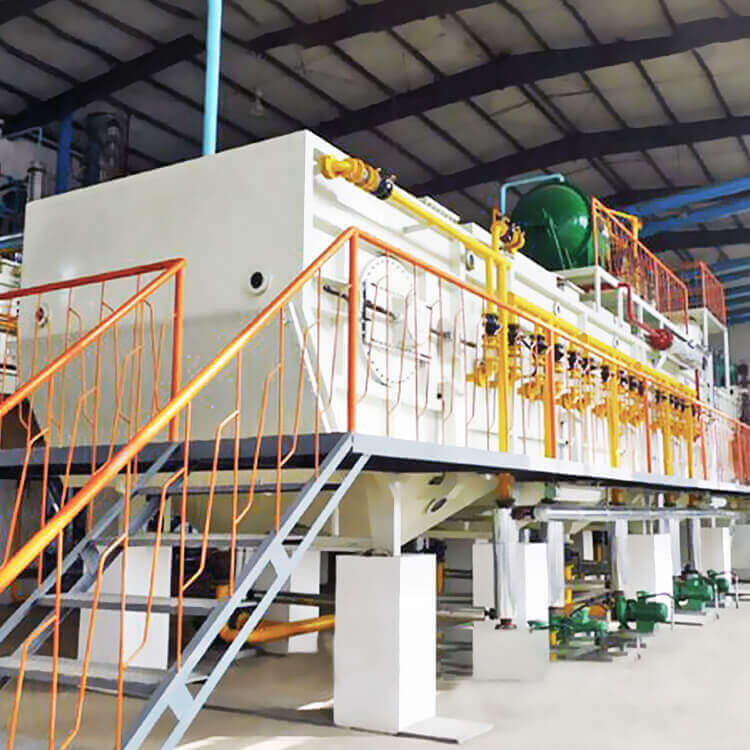
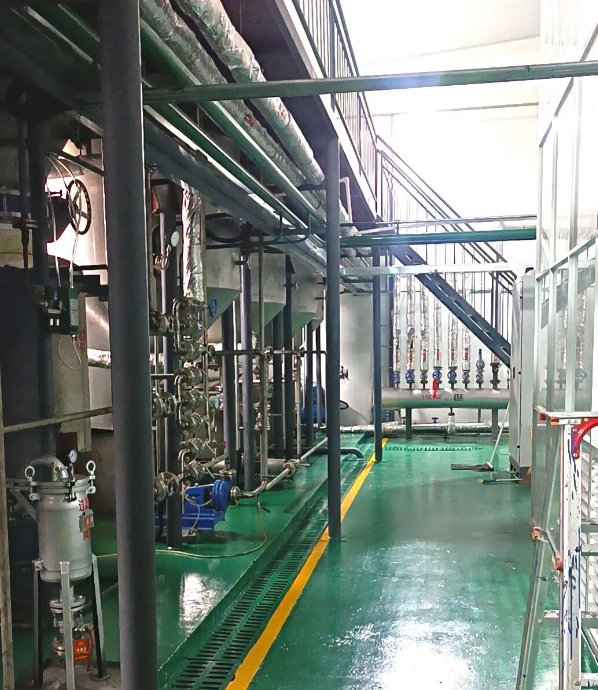
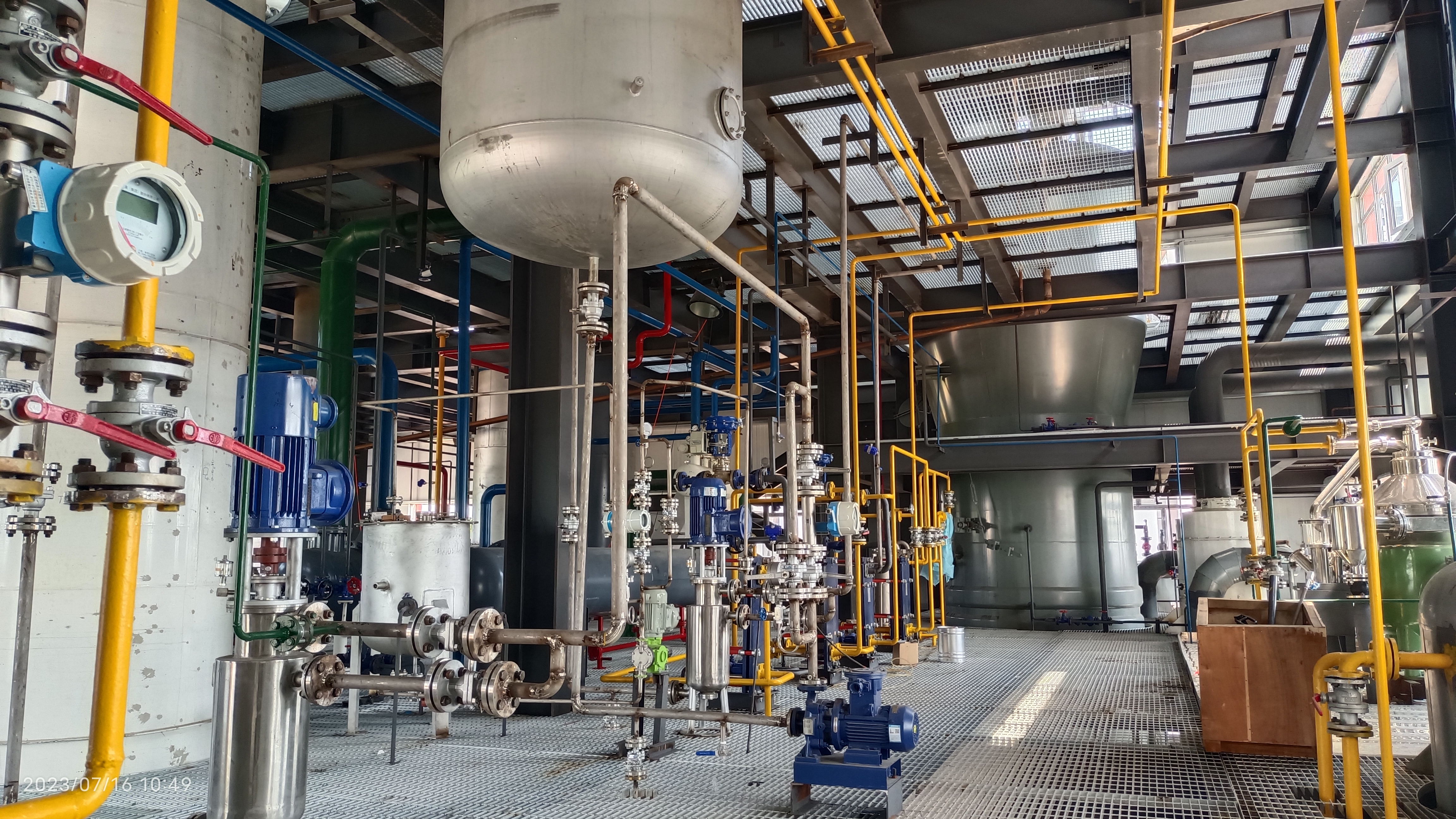
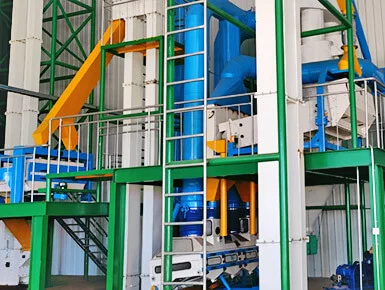
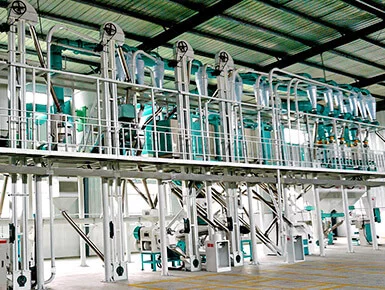
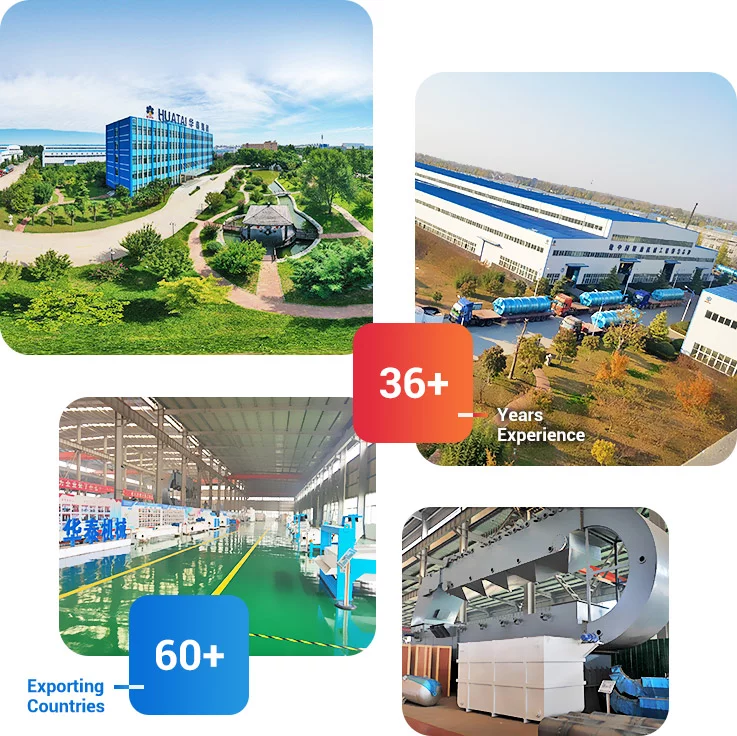
sweet potato processing equipment, prioritize sturdiness, durability, and high extraction rates. Small-scale farmers can choose a set of integrated washing, crushing, and separating equipment; this is simple, convenient, and requires less investment. After the starch settles, it is scooped out and stored in a designated pool for wet storage before vermicelli processing (drying is necessary before March or April each year, as the starch will ferment as the weather warms up). For small to medium-sized plants and large-scale plants, it is essential to choose a production line with separate crushing and separating equipment. This reduces equipment failure rates and ensures high starch extraction rates. For washing, the appropriate washing stage should be selected based on local soil conditions. Different washing equipment may handle impurities in the soil, causing production problems. For crushing, a single-stage crushing stage is generally chosen for 3-5 tons, followed by a stage 7-8. For orders over 1 ton, a two-stage crushing process can be chosen: a primary coarse crusher and a secondary fine crusher. This saves on electricity. For the separation of potato processing, a YS-450B cylindrical separator is generally used in combination. This washing equipment is ideal for potato processing. The separated starch slurry needs to be desanded, followed by fine filtration. If customers choose to make vermicelli, they can choose sedimentation, as wet starch and dried granulated starch are the best raw materials for making vermicelli. After fine filtration, impurities in the starch are washed out by a hydrocyclone. The discharged starch slurry is dehydrated by a dewatering machine until the starch content is 38%-40%. The starch is then automatically fed into a drying tower for drying. After drying, the starch is screened, cooled, and then packaged. The above equipment is based on the equipment of Huatai Machinery Factory. Generally, the processing capacity of a single set of equipment is 1t/h, 3-4t/h, 5-6t/h, 7-8t/h, 10t/h, 15t/h, etc. The above equipment is the amount of sweet potatoes processed per hour. These equipment can also be used for starch processing of cassava, potatoes, sweet potatoes, taro, kudzu root, and lotus root. We are a professional manufacturer and exporter of 10-1000 TPD one-stop turnkey starch processing production line equipments. Our equipments which can process all kinds of starch, if you want to start your own sweet potato starch business, please contact with us.