Sesame Cleaning Process
Before pressing, sesame seeds must be thoroughly cleaned to remove impurities that affect processing efficiency and oil quality.
Common cleaning equipment can remove:
Dust and sand
Stones and metal particles
Plant residues and broken seeds
Proper cleaning not only improves the efficiency of downstream equipment but also reduces wear and tear on the press. In modern production lines, this process is often integrated into the sesame oil production line to ensure consistent raw material quality.
Sesame Roasting and Conditioning
Roasting is one of the most critical steps in sesame oil processing because it directly determines the aroma of the sesame oil.
During roasting, controlled temperature causes a chemical reaction in the sesame seeds, producing the unique nutty aroma of sesame oil.

Industrial roasting equipment offers the following advantages:
Even heating of sesame seeds
Precise temperature control
Increased oil yield
Sesame Oil Pressing
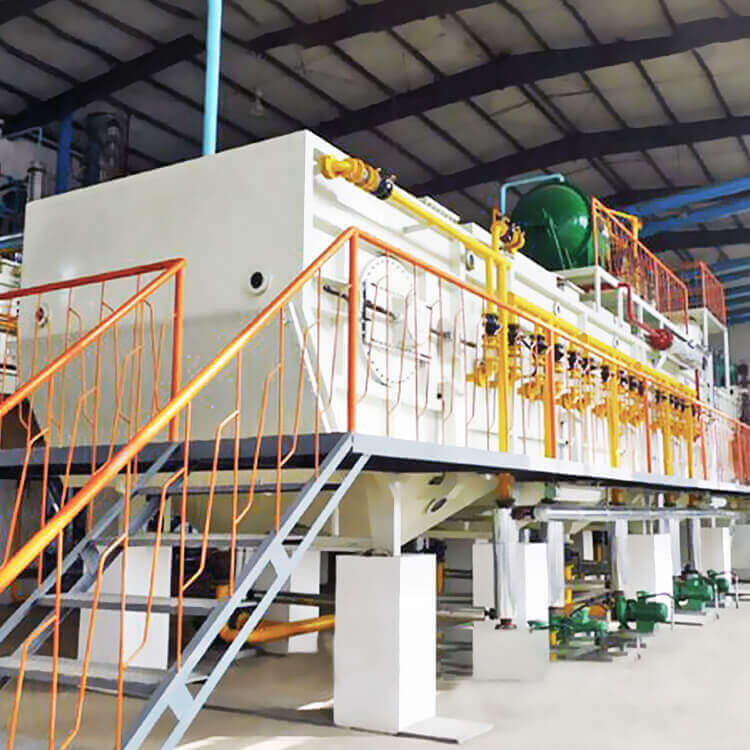
After roasting, the sesame seeds are sent to the pressing stage, where the oil is extracted using mechanical pressure.
Modern oil mills typically use sesame oil presses specifically designed for producing essential oils.
Hydraulic sesame oil presses are widely used for high-quality sesame oil due to their advantages: stable pressure control, moderate processing temperature, and effective preservation of sesame aroma compounds. Hydraulic presses operate at 100–120°C, which helps retain the natural flavors developed during roasting.
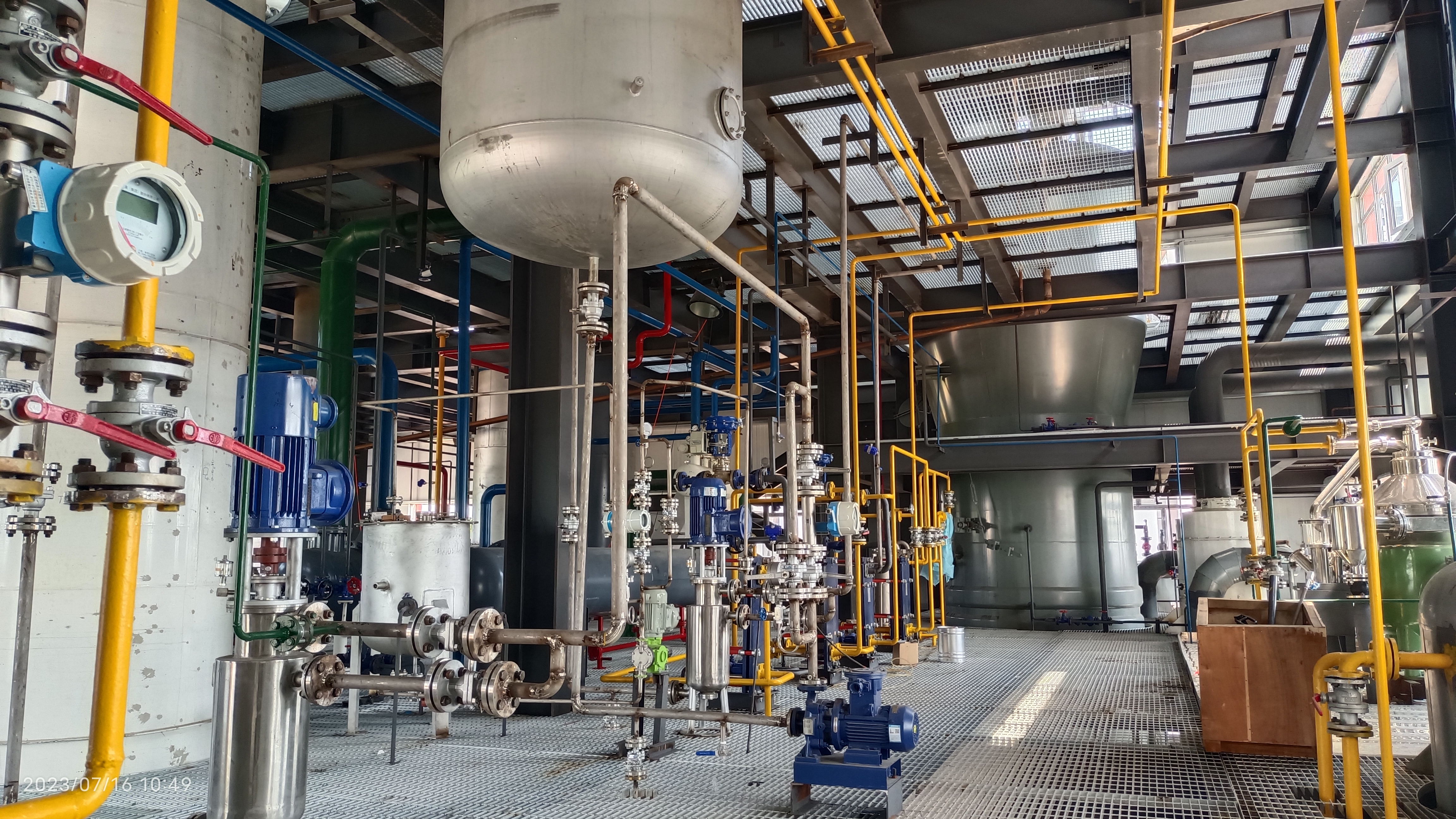
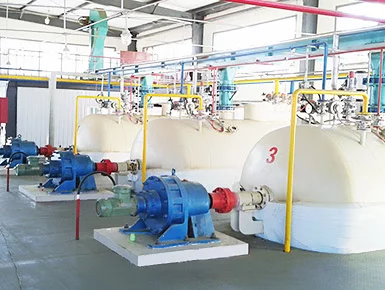
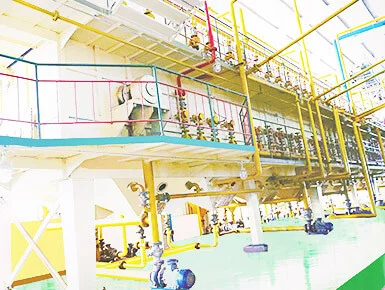
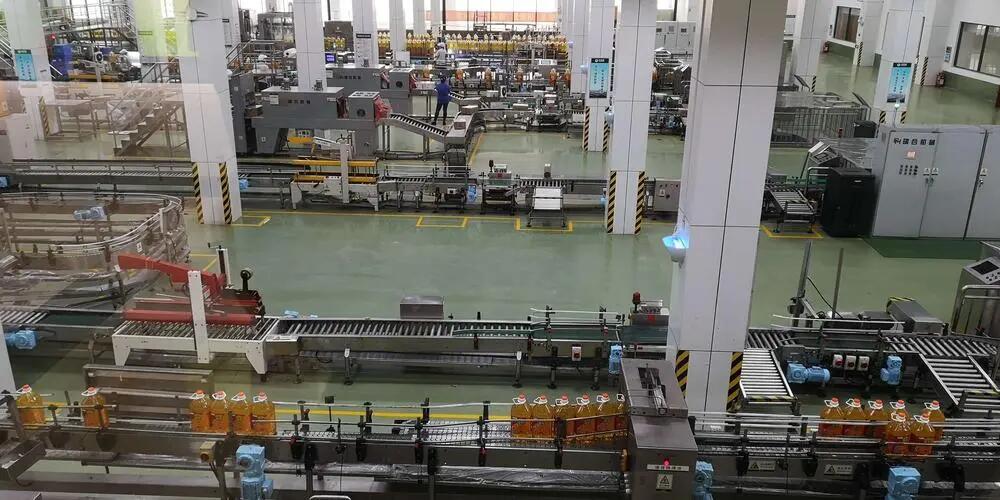
For industrial-scale projects, a complete edible oil processing plant solution may include pretreatment, pressing, extraction, refining, and bottling stages.
Crude Oil Clarification
Freshly pressed sesame oil still contains suspended impurities such as sesame cake powder and trace solids.
If these impurities are not removed, they can lead to: sediment formation during storage, darkening of the oil color, and reduced product stability.
Therefore, crude sesame oil needs to be clarified before storage.
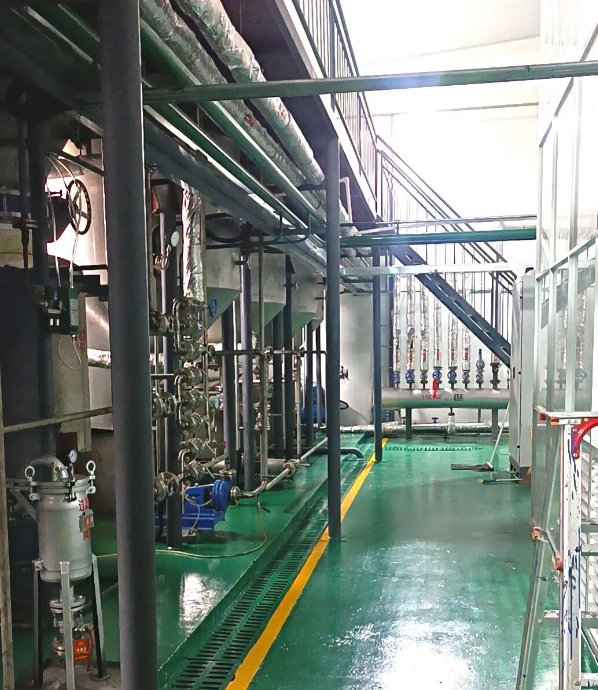
This process typically includes: natural settling: The crude oil is stored in settling tanks, allowing heavier particles to settle naturally.
Filtration: Remaining fine particles are removed through a crude oil filtration system, improving the oil's clarity and purity. An effective clarification process ensures that sesame oil maintains its appearance quality and aroma stability.
Oil Storage and Handling
After filtration, sesame oil is transferred to storage tanks to prevent contamination and oxidation.
Proper storage conditions help maintain: oil freshness, stable flavor characteristics, and a long shelf life.
In large plants, automated oil handling systems are often integrated into the overall design of the edible oil processing plant to improve operational efficiency.
Service
Provide project consultancy and feasibility analysis.
Provide engineering design and project management services to ensure that the project is completed on time and on budget.
Provide installation and commissioning and staff training to ensure that the customer’s staff can effectively operate the production line and understand the necessary maintenance knowledge.
Provide after-sales service and technical support, including but not limited to regular maintenance, troubleshooting and technical upgrades.
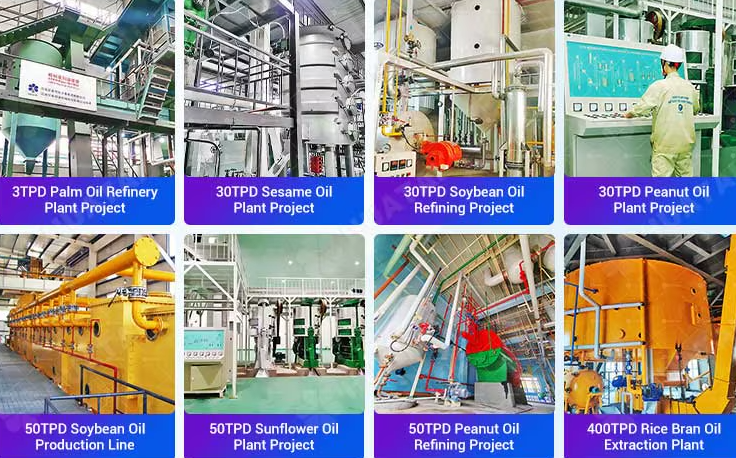
We provide comprehensive support to our customer in the construction of sesame oil production line. From project planning to every stage of production line operation, we ensure that our customers can achieve efficient, stable and sustainable production operations. Through continuous technological innovation and service optimisation, our goal is to help our customer increase production capacity, reduce cost and improve the market competitiveness of the final product.
What can we do?
A complete sesame oil production line:
Increases oil yield
Stabilizes sesame aroma and flavor
Improves crude oil purity
Ensures continuous and reliable factory operation