Complete Process Flow
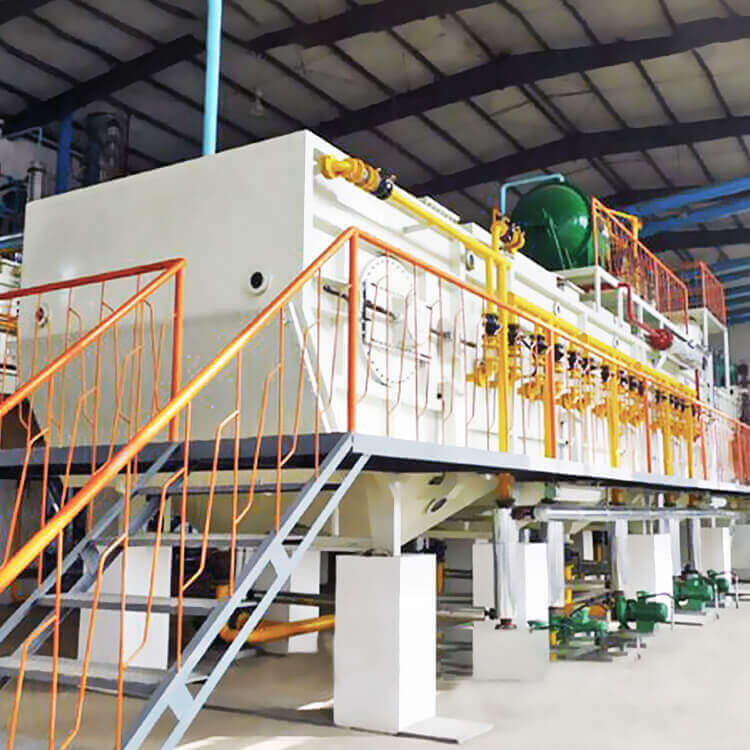
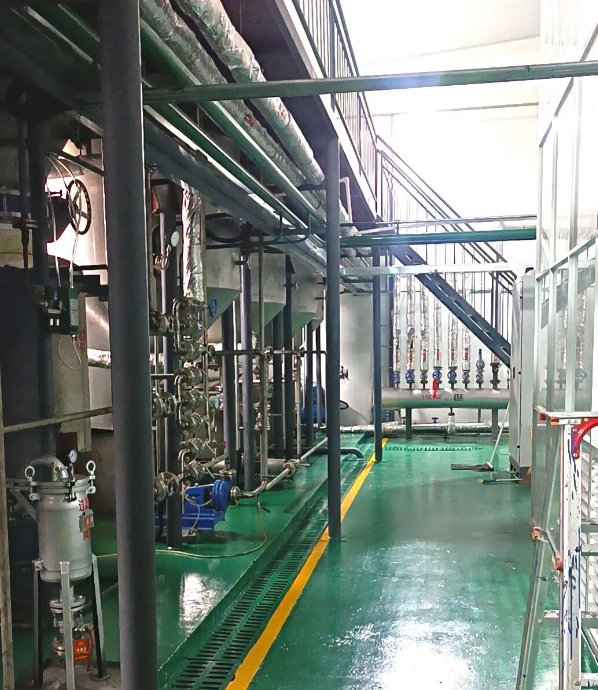
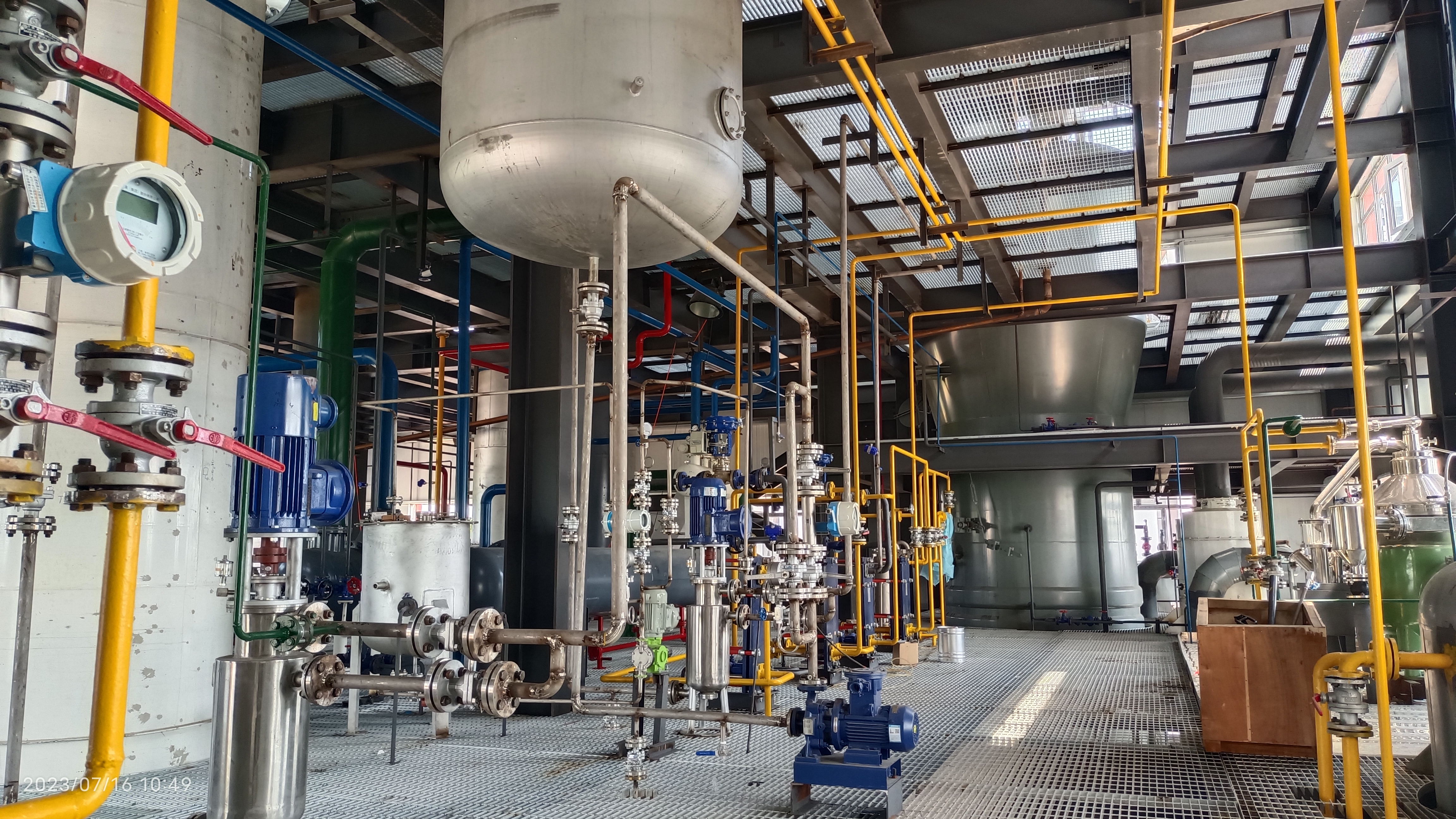
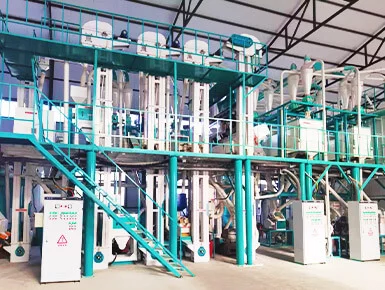
Automated Production Line (Small-to-Medium Processing Plants)
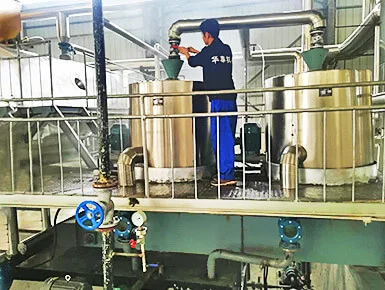
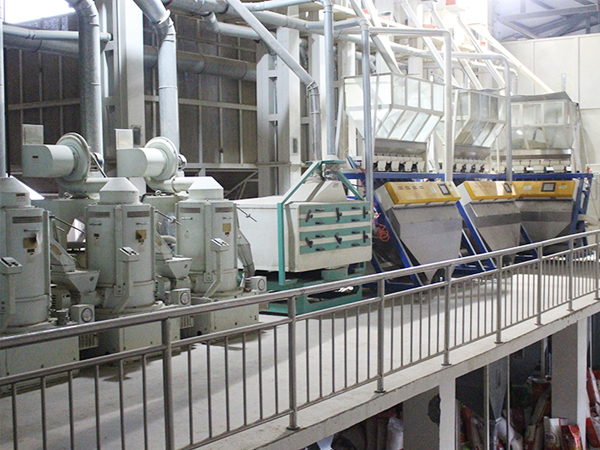
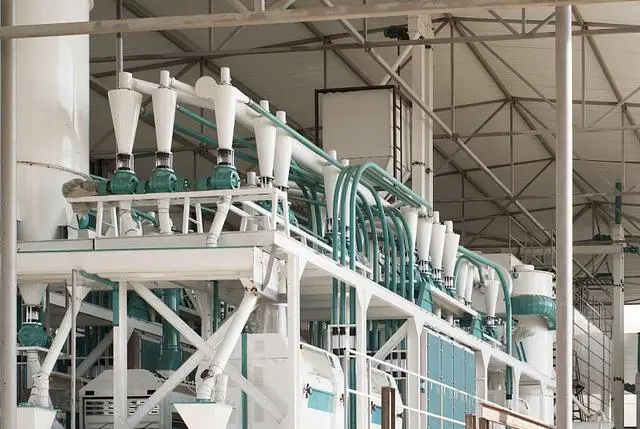
Fresh sweet potatoes → Washing → Two-stage crushing/rasping → Pulp-residue separation (screening) → Desanding → Multi-stage hydrocyclone refining → Starch milk dewatering → Flash drying → Cooling & packaging
Washing: Removes soil; failure to thoroughly remove sand/dirt results in grit in the final starch product.
Crushing/Rasping: The core process; breaks down sweet potato cells to release starch granules. Inadequate crushing leaves significant starch in the pulp, causing a sharp drop in starch yield.
Pulp-Residue Separation (Centrifugal Sieve): Uses water to wash out the starch and separate fibrous pulp; the pulp can be used as animal feed.
Desanding: Removes fine sand and grit.
Hydrocyclone Refining: Uses multi-stage hydrocyclones to separate protein, pectin, and soluble sugars, enhancing whiteness and purity—crucial for industrial starch quality.
Dewatering: Converts starch milk into wet starch cakes (moisture content 35–40%).
Drying: Flash drying (pneumatic drying) to produce the final dry starch powder.
Starch Yield Reference (Fresh Sweet Potatoes)
High-starch varieties: 100 catties of fresh potatoes yield 17–20 catties of dry starch; 5–6 tons of fresh potatoes produce 1 ton of starch.
Standard table varieties: 100 catties of fresh potatoes yield only 12–15 catties of starch.
Simple workshops incur higher losses; actual yields are typically 2–3 percentage points lower.
Pros and Cons of Fresh Sweet Potato Processing
AdvantagesStarch from fresh potatoes offers high whiteness and excellent viscosity; resulting vermicelli/noodles have superior elasticity and quality compared to starch made from dried potato chips.
Eliminates the need for slicing and sun-drying, saving on labor costs and avoiding weather-related risks.
Critical Process Points & Common PitfallsThorough crushing is essential: Merely breaking the potato without rasping leaves cell walls intact and traps starch in the pulp, significantly reducing yield.
Polyphenol oxidation: The material must proceed to the next stage quickly after crushing; prolonged exposure to air causes the starch to turn reddish. During the sedimentation and hydrocyclone separation stages, it is essential to remove proteins and soluble sugars; high residual sugar content makes the resulting starch noodles prone to souring and reduces their cooking stability.
The drying temperature for wet starch must not be too high; excessive heat causes gelatinization, which compromises starch quality.