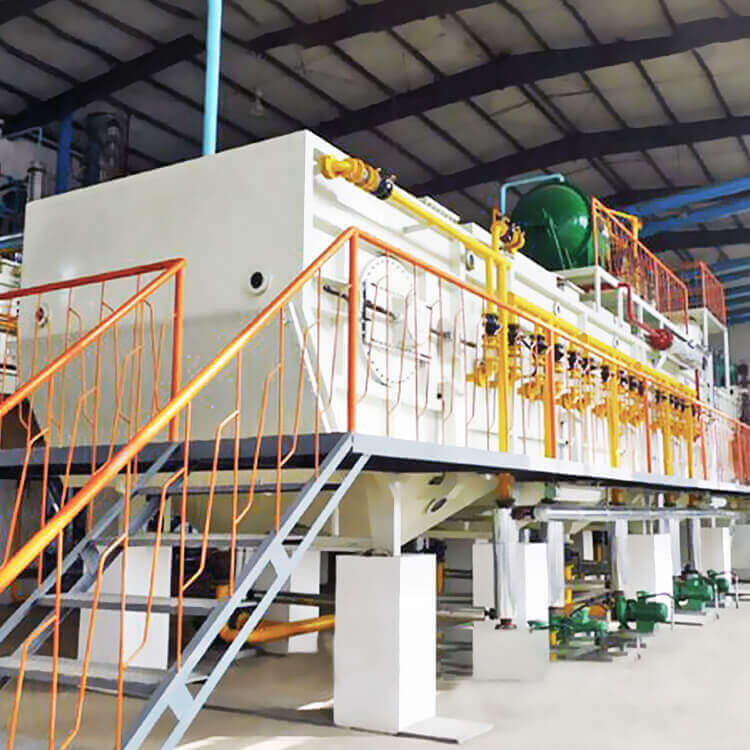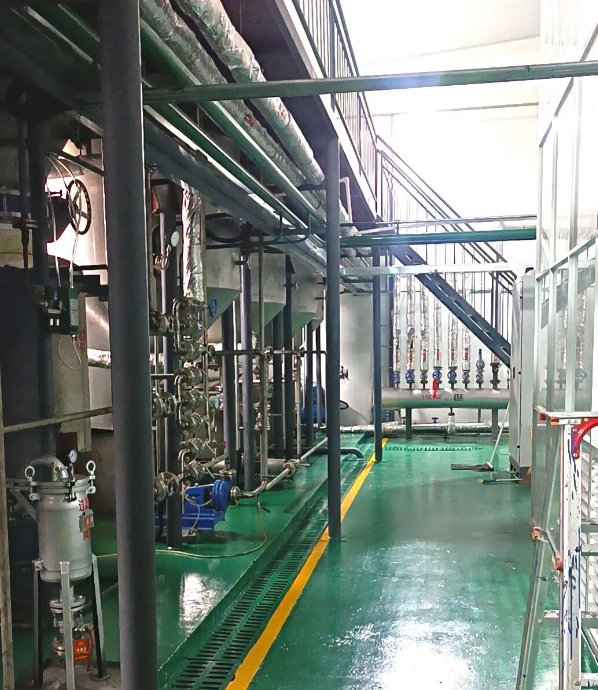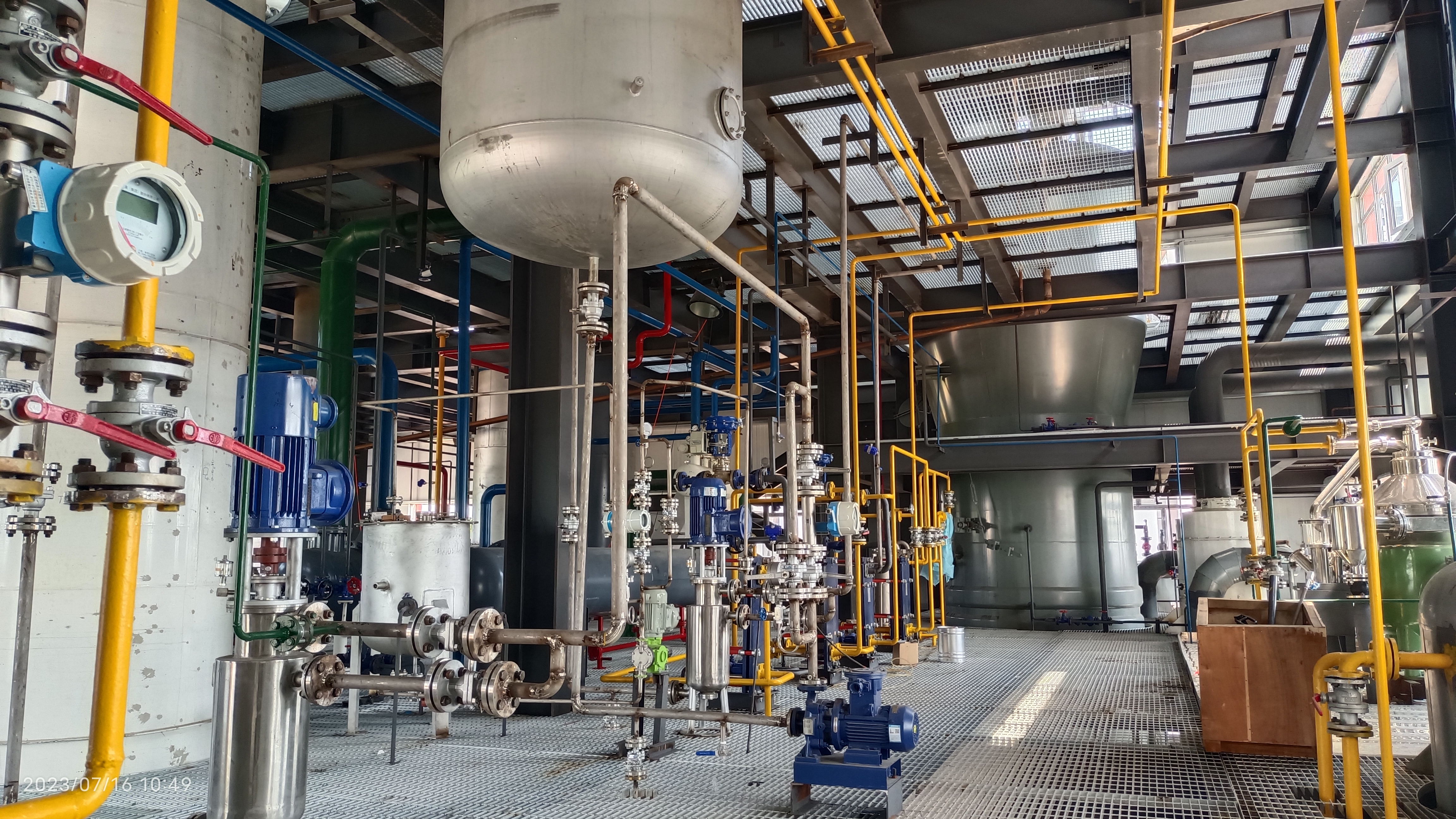
Soybean puffing is a key pretreatment step in soybean oil extraction. High-temperature, high-pressure puffing equipment processes soybean flakes into porous, loose puffed material. Its core function is to improve mass transfer efficiency during extraction, ultimately increasing oil yield and reducing production costs. The specific functions and principles are as follows:
I. Core Function: Breaking down structural barriers to make oil easier to extract. After cleaning, crushing, and rolling, soybean flakes still contain a dense cellular structure and protein network. The oil is encapsulated within the cells, making it difficult for solvents (such as n-hexane) to penetrate during direct leaching. The puffing process optimizes the structure in the following ways:
Cellular Structure Disruption: Under high temperature (110-130℃) and high pressure (0.3-0.6MPa), the internal moisture of soybean flakes rapidly vaporizes, expanding in volume 3-5 times. Cellular tissue is completely disrupted, and the cell membranes and protein networks encapsulating the oil break down, exposing the oil to the material surface.
Porous Structure Formation:** The puffed material exhibits a loose, porous, sponge-like structure with significantly increased porosity (2-3 times higher than the soybean flakes), providing ample permeation channels for the solvent and allowing for thorough contact between the solvent and the oil.
Reduced Layer Resistance:** The uniform particle size and good flowability of the puffed material prevent clumping during leaching, reducing solvent resistance and improving circulation efficiency.

II. Key Benefits: Increased Oil Yield and Reduced Production Consumption
Increased Oil Yield: Expansion of the puffed material ensures sufficient oil exposure and increased solvent contact area, leading to more thorough oil extraction. Compared to direct leaching, the oil yield can be increased by 1-3 percentage points (soybean oil content is approximately 18-22%, and the residual oil rate after puffing can be reduced to below 0.5%, while the residual oil rate after direct leaching of raw soybean flakes is typically 1.5-2%).
Shortened Leaching Time: Improved mass transfer efficiency reduces leaching time from 60-90 minutes for direct leaching of raw soybean flakes to 30-45 minutes, increasing equipment processing capacity.
Reduced Solvent Consumption: Rapid and thorough contact between solvent and oil reduces solvent circulation. Furthermore, the puffed material has a stronger ability to adsorb solvent, resulting in improved solvent recovery during subsequent desolventizing and a 10-20% reduction in solvent consumption per unit product.
Reduced Energy Consumption: Shorter leaching time and improved desolventizing efficiency indirectly reduce steam and electricity consumption. Additionally, the lower moisture content of the puffed material (approximately 8-10%, compared to 12-14% for raw soybean flakes) reduces energy consumption in subsequent drying processes.
III. Auxiliary Functions: Optimizing Subsequent Processing Steps
Improved Degumming Effect: During extrusion, some phospholipids in soybeans are degraded or transformed into more easily removed forms, resulting in more thorough phospholipid separation in subsequent degumming processes and improved oil refining efficiency;
Enhanced Soybean Meal Quality: Extruded soybean meal exhibits moderate protein denaturation, minimal damage to amino acid structure, and a porous structure that facilitates subsequent grinding, digestion, and absorption, thereby improving the nutritional value and market competitiveness of soybean meal as a feed ingredient;
Reduced Equipment Wear: Extruded feed particles are uniform in size and have moderate hardness, allowing for smoother flow in extractors and conveying equipment compared to raw soybean flakes, reducing equipment blockage and wear.
IV. Key Technical Points: Critical Control of Extrusion Effect
Temperature and Pressure: Excessive temperature leads to excessive protein denaturation and oil oxidation, while insufficient temperature results in incomplete extrusion. Pressure must be matched with temperature to ensure sufficient expansion force generated by moisture vaporization.
Material Moisture: The moisture content of the rolled sheet should be controlled at 10-12%. Excessive moisture easily leads to adhesion of the extruded material, while insufficient moisture results in poor expansion.
Extruder Speed: Affects the residence time of the material in the machine and needs to be adjusted according to production capacity to ensure that the material is fully extruded without scorching.
Summary
The core value of soybean extrusion lies in resolving the core contradiction of "oil encapsulation - solvent penetration" through structural modification. It is a key link in "quality improvement and efficiency enhancement" in solvent extraction oil production. Especially for large-scale oil plants, extrusion pretreatment can significantly improve production efficiency, reduce costs, and improve the quality of oil and by-products (soybean meal), and has become a standard pretreatment process in modern soybean solvent extraction oil production.
Complete each
soybean oil extraction project from the design of the initial concept to manufacturing, installation, commissioning and delivery, choose Huatai Group.