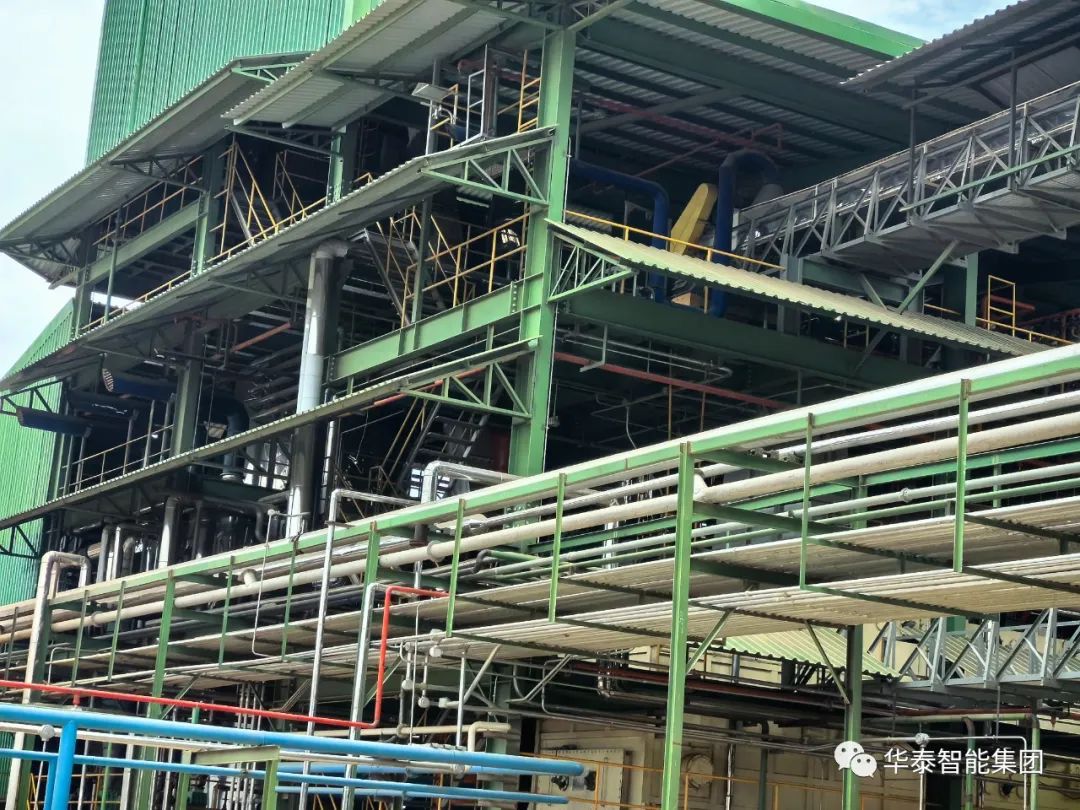
Huatai
soybean extruder reduces the anti-nutritional factor such as trypsin inhibitors, urease and lectins that badly affect the digestive efficiency. Prior to the mechanical extraction of oil, soybean is processed inside the extrude barrel, the soybean are being compressed, ground and heated that frees the oil by rupturing oil seed cell walls. Due to dry extrusion the fat cells open and as a result fats are easily digested by domestic animals.
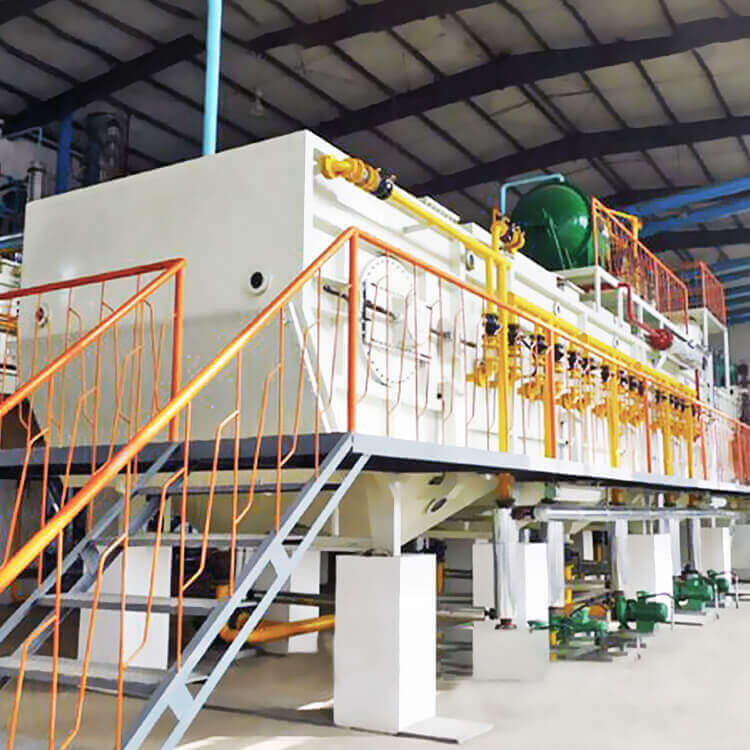
In soybean oil production, the soybean extruder is a core piece of equipment in the pretreatment stage. Its function is to alter the physical structure and chemical properties of soybeans through high-temperature, high-pressure extrusion, creating optimal conditions for subsequent pressing or extraction processes, ultimately increasing oil yield and reducing production costs. Its specific functions can be divided into the following five core dimensions: Disrupting Cell Structure and Releasing Oil: Soybean oil is mainly stored in the oil cells of the cotyledon cells. The cell walls are composed of cellulose and hemicellulose, which traditional crushing and rolling processes struggle to completely break down.
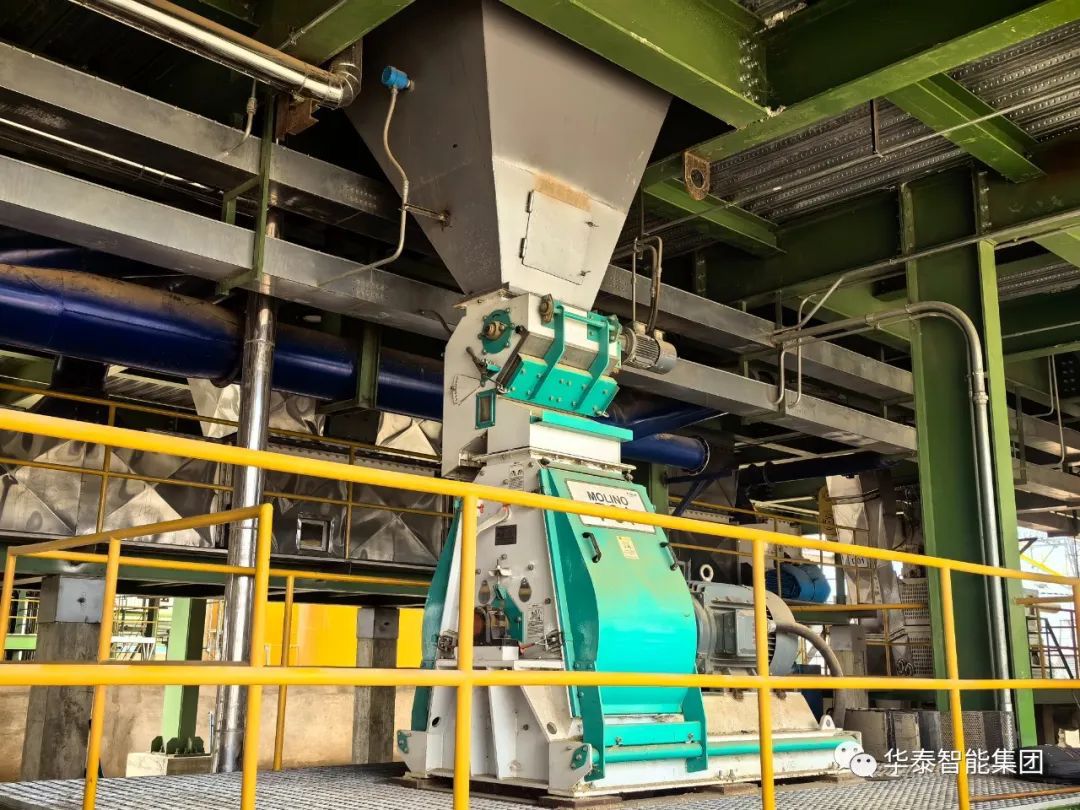
The extruder, through the synergistic effect of screw extrusion, high temperature (110-130℃), and high pressure, causes the water inside the soybean cells to vaporize instantaneously, creating a "micro-explosion" effect that completely tears apart the cell walls, allowing the oil to be fully released from the cells. During subsequent pressing, the oil flows out more easily; during extraction, the solvent can penetrate into the oil more quickly, directly increasing the oil yield by 3%-5%.
Improving Material Physical Properties and Optimizing Subsequent Processes
Forming a Porous Structure: Extruded soybeans become loose "expanded preforms," with significantly increased porosity. This makes them more permeable to water and solvents than traditionally rolled preforms, optimizing both the "oil discharge channels" during pressing and the "solvent contact area" during
solvent extraction.
Reducing Powder Content: Traditional rolling processes easily generate a large amount of powder, which can clog the press chamber gaps during pressing and cause difficulties in solvent filtration during leaching. Extruded preforms have a stable structure and less powder, reducing equipment blockage and energy consumption in subsequent processes.
Facilitating Transportation and Storage: Extruded preforms are granular, have good flowability, and are less prone to clumping, making them easy to transport in the production line and less susceptible to mold during storage.
Passivating Anti-Nutritional Factors and Enhancing By-product Value: Soybeans contain anti-nutritional factors such as lipoxygenase and urease. These substances affect the palatability and nutritional value of soybean meal (for example, lipoxygenase can cause oil rancidity, and urease can produce ammonia in animals).
The high temperatures (110-130℃) during the puffing process rapidly inactivate these enzymes, significantly improving the quality of the byproduct soybean meal—the soybean meal protein undergoes moderate denaturation, making it more suitable as a feed ingredient and commanding a higher price. Simultaneously, the high temperature kills microorganisms and insect eggs in soybeans, enhancing the product's hygiene and safety.
Reducing production energy consumption and increasing production efficiency: The porous structure of the puffed feed allows for more uniform pressure in the pressing chamber, reducing power consumption during pressing; during leaching, it shortens the leaching time, reducing solvent consumption and equipment operating costs.
The puffing process can integrate multiple pre-processing steps such as crushing, rolling, and steaming/roasting, simplifying the production line, reducing equipment investment and floor space, and improving overall production efficiency.
Stabilizing oil quality: The high temperatures during puffing quickly destroy unstable components in the oil (such as precursors of free fatty acids), while reducing the contact time between the oil and air/metal during subsequent pressing/leaching, thereby lowering the acid value and peroxide value of the oil and improving the stability and quality of the finished oil.