A
corn processing plant is a specialized factory that uses corn as its core raw material and produces food, feed, starch, and deep-processed products through pretreatment, processing, packaging, and storage. Its core is a complete chain operation of "raw materials - processing - products - sales." Based on scale, it can be divided into small workshops, medium-sized processing plants, and large-scale deep-processing enterprises.
The corn processing flow varies depending on the product, but the core includes "raw material pretreatment → core processing → packaging and storage." Below are the standardized processes for three main product categories:
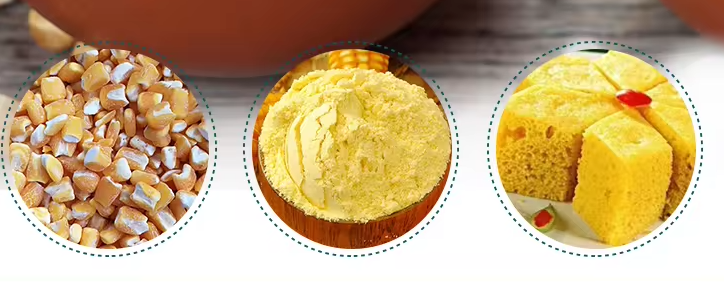
Primary Processing (Corn Grits/Corn Flour/Corn Bits)
Raw Material Acceptance: Testing for moisture (≤14%), impurities, and mold rate; unqualified raw materials are returned.
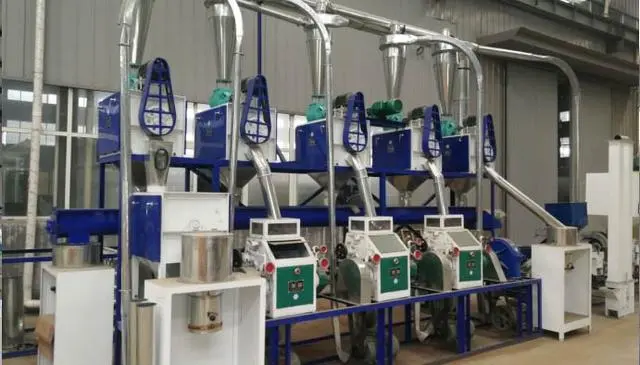
Cleansing and Impurity Removal: Vibrating screens remove straw/stones, magnetic separation removes metals, and gravity separators remove sand and gravel, improving raw material purity.
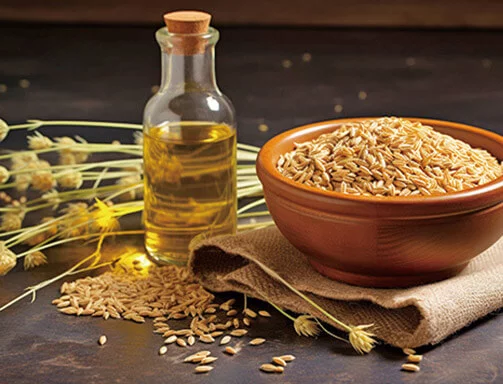
Peeling and Degerming: A peeling and degerming machine separates the bran and germ. The germ can be used for oil extraction, and the bran is used for feed/biomass fuel.
Crushing and Grading: Corn is crushed using a roller crusher and graded into different specifications using a vibrating screen. Coarse flour is returned for reprocessing.
Packaging and Storage: Quantitative packaging (25kg/50kg woven bags or small gift boxes). Finished product storage is moisture-proof and ventilated, with temperature and humidity controlled below 20℃ and humidity below 60%.
Deep Processing (Corn Starch/Starch Sugar/Alcohol)
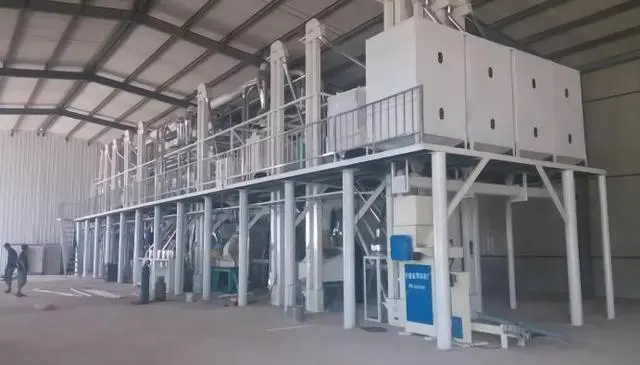
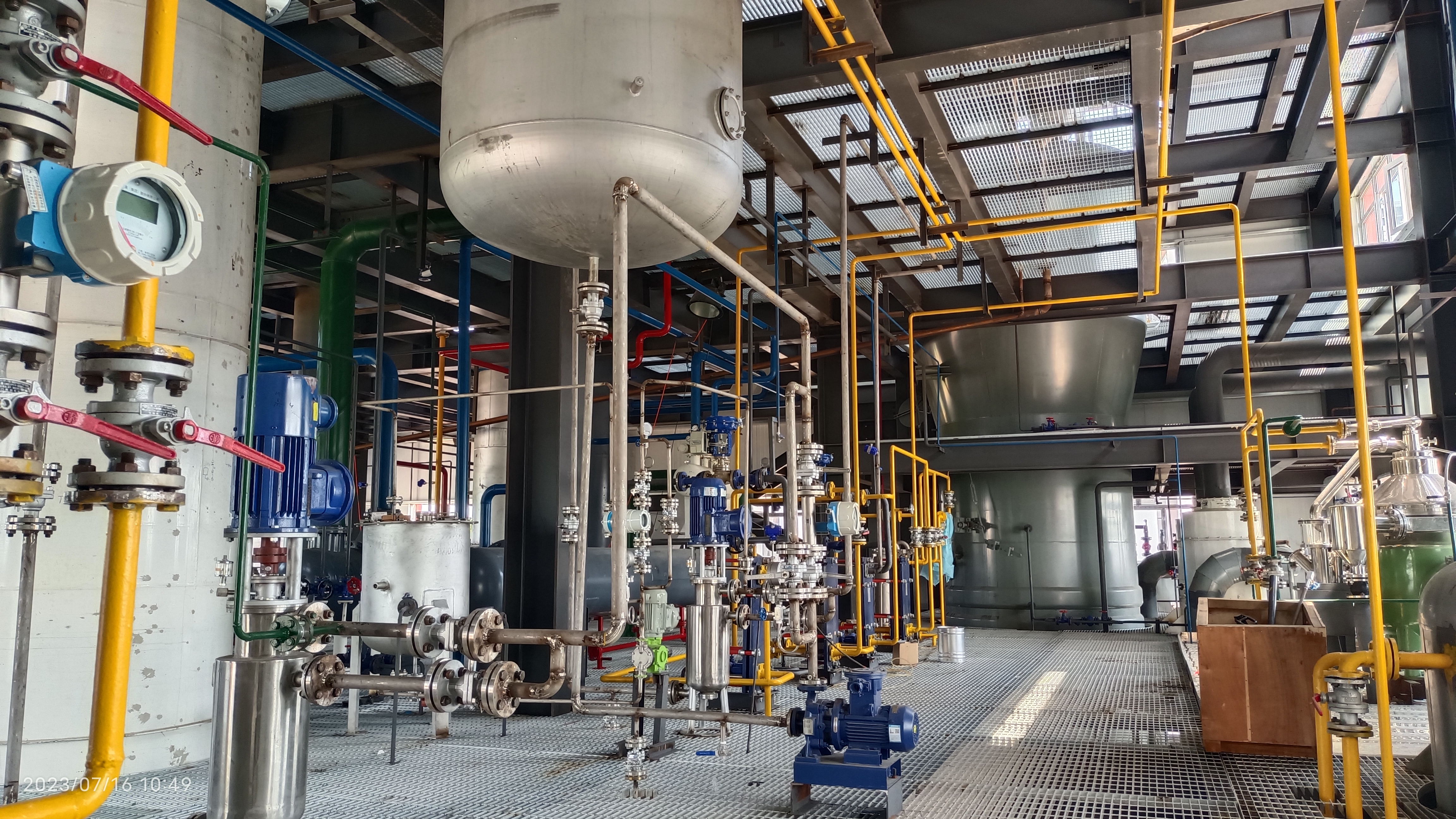
Soaking: Corn kernels are soaked in a sulfurous acid solution for 40-60 hours at approximately 50℃ to allow them to absorb water and swell, facilitating subsequent separation.
Crushing and Separation: After coarse crushing, fibers are separated using a pressure sieve. Starch and gluten are separated by centrifugation. Fiber is washed and used as animal feed, while gluten is used to make corn gluten meal.
Starch Refining: Coarse starch milk is rinsed using a 12-stage washing hydrocyclone, dehydrated, and dried to obtain refined starch (purity ≥99%).
Conversion Processing: Starch can be further processed to produce fructose syrup, maltodextrin, alcohol, etc., extending the value chain.
Key Operational Considerations (Profitability and Risk Control)
Raw Material Management: Sign purchase agreements with farmers, establish planting bases, control moisture and mold rates, and ensure a stable supply; large plants can build their own bases to achieve closed-loop management from "field to workshop."
Cost Control: Primary processing plants focus on reducing labor costs; medium-sized plants increase equipment automation; large plants extend the supply chain to reduce costs while optimizing energy consumption (e.g., waste heat recovery).
Quality and Safety: Establish a HACCP system to test for heavy metals, pesticide residues, and microorganisms; retain finished product samples for traceability; focus on controlling the shelf life of fresh corn; deep-processed products meet food/pharmaceutical industry standards.
Market Layout: Primary processed products are supplied to feed mills and grain and oil wholesalers; fresh corn is branded and supplied to e-commerce platforms, chain supermarkets, and community group buying; deep-processed products are supplied to the food industry, pharmaceutical companies, and the chemical industry.