Industry definition and mainstream capacity standards
Large-scale plant standard: Single line daily processing capacity ≥ 1000 tons of fresh potatoes, annual output of 15,000–30,000 tons of dry starch; dual lines can reach an annual output of over 50,000 tons.
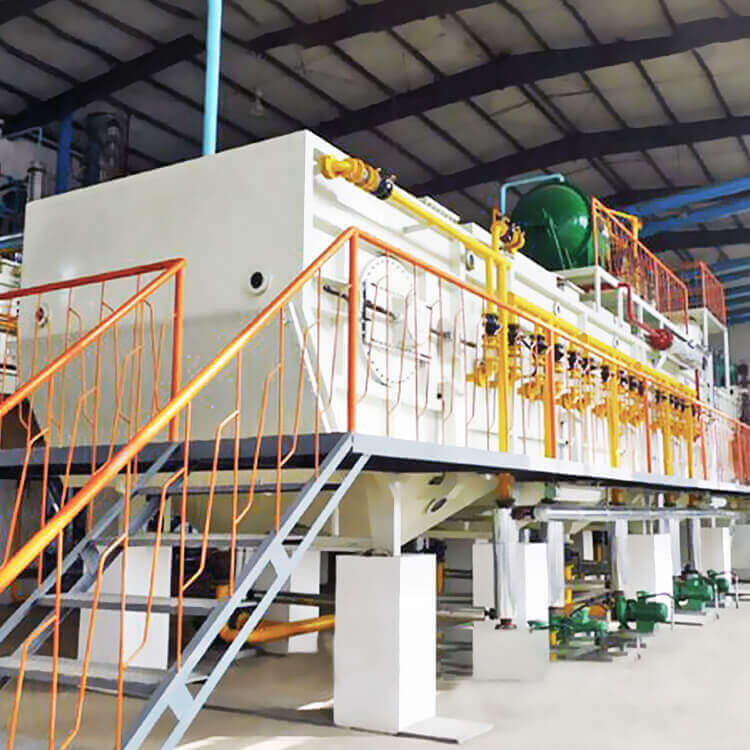
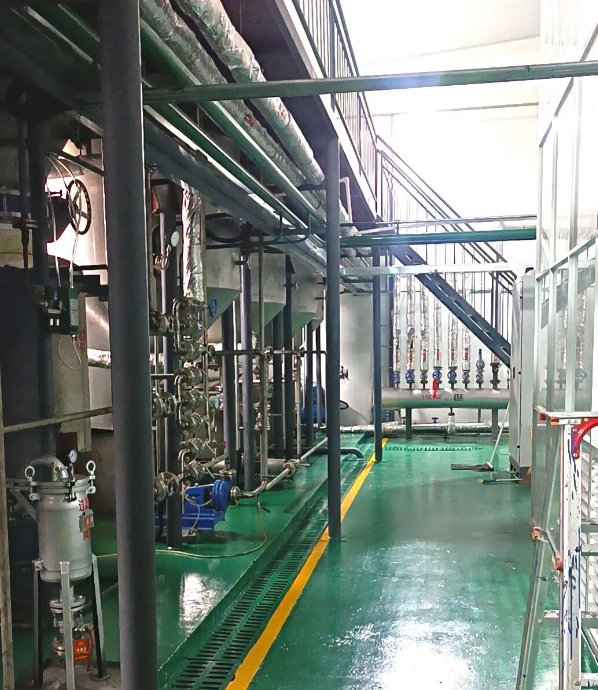
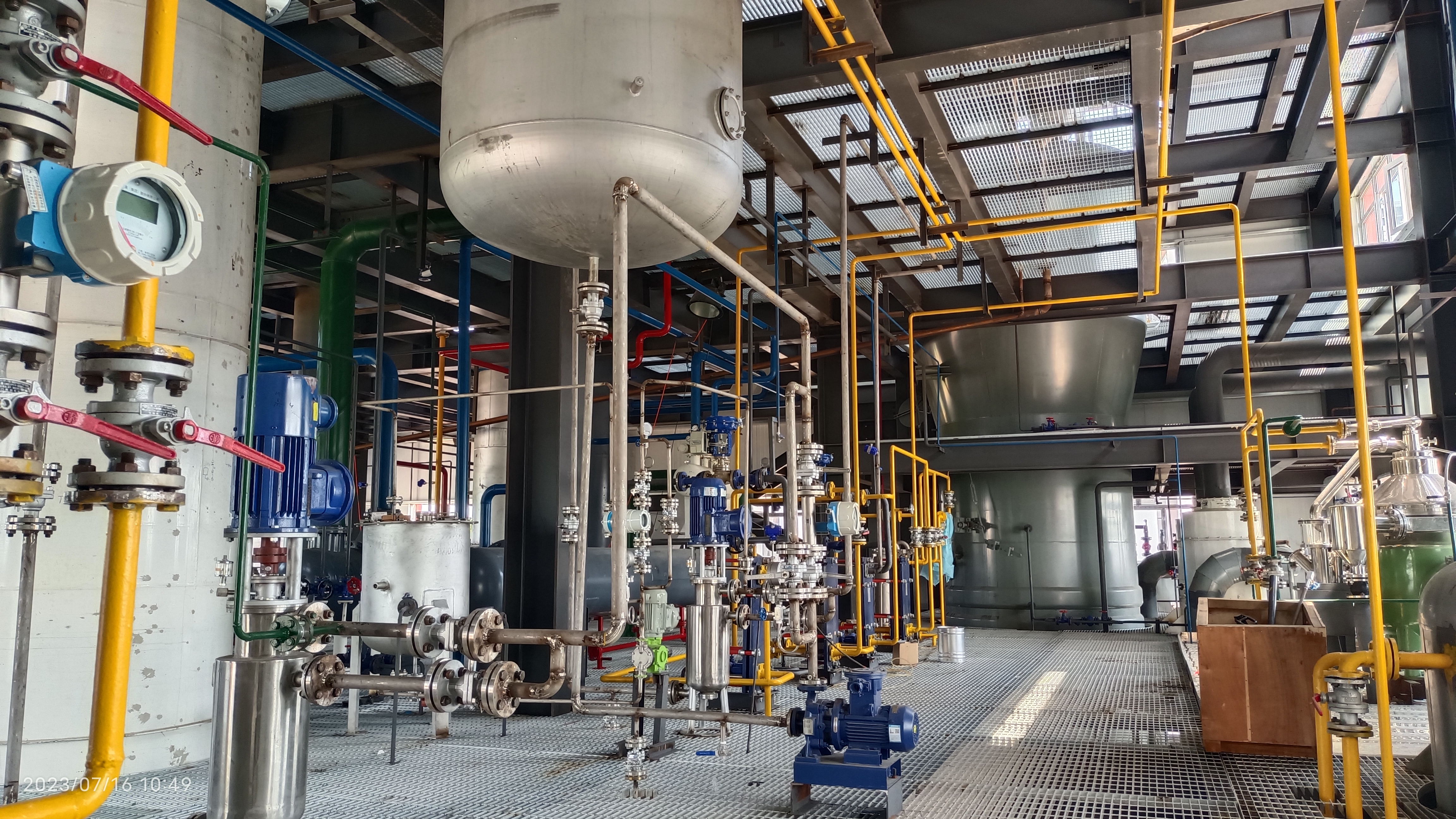
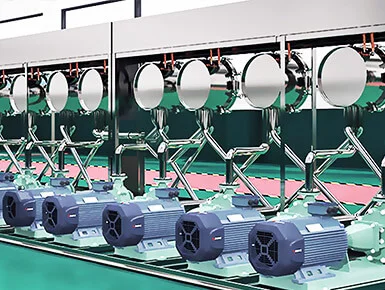
Core features: Fully automated closed-loop production line, 18-stage cyclone refining, large-scale fresh potato storage, complete biochemical wastewater treatment, SC food-grade workshop, dust explosion-proof standardized plant, capable of producing food-grade/pharmaceutical-grade starch, supporting domestic wholesale and export.
Complete Process Flow (Large-scale Fully Automated Closed-Loop)
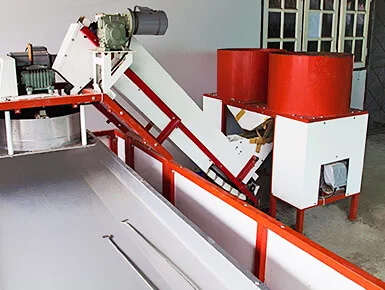
Raw Material Pretreatment: Dry screening for impurities → Destoner → Two-stage drum washing, automatically removing mud, stones, and weeds; full hydraulic conveying, no manual feeding required.
Crushing and Starch Release: Multiple high-power grinding mills thoroughly crush potato tubers, achieving a starch free rate ≥72% (small workshops only achieve around 60%).
Multi-stage Slurry-Residue Separation: 4-5 stage centrifugal screens separate potato residue, which is directly dehydrated, packaged, and sold as feed.
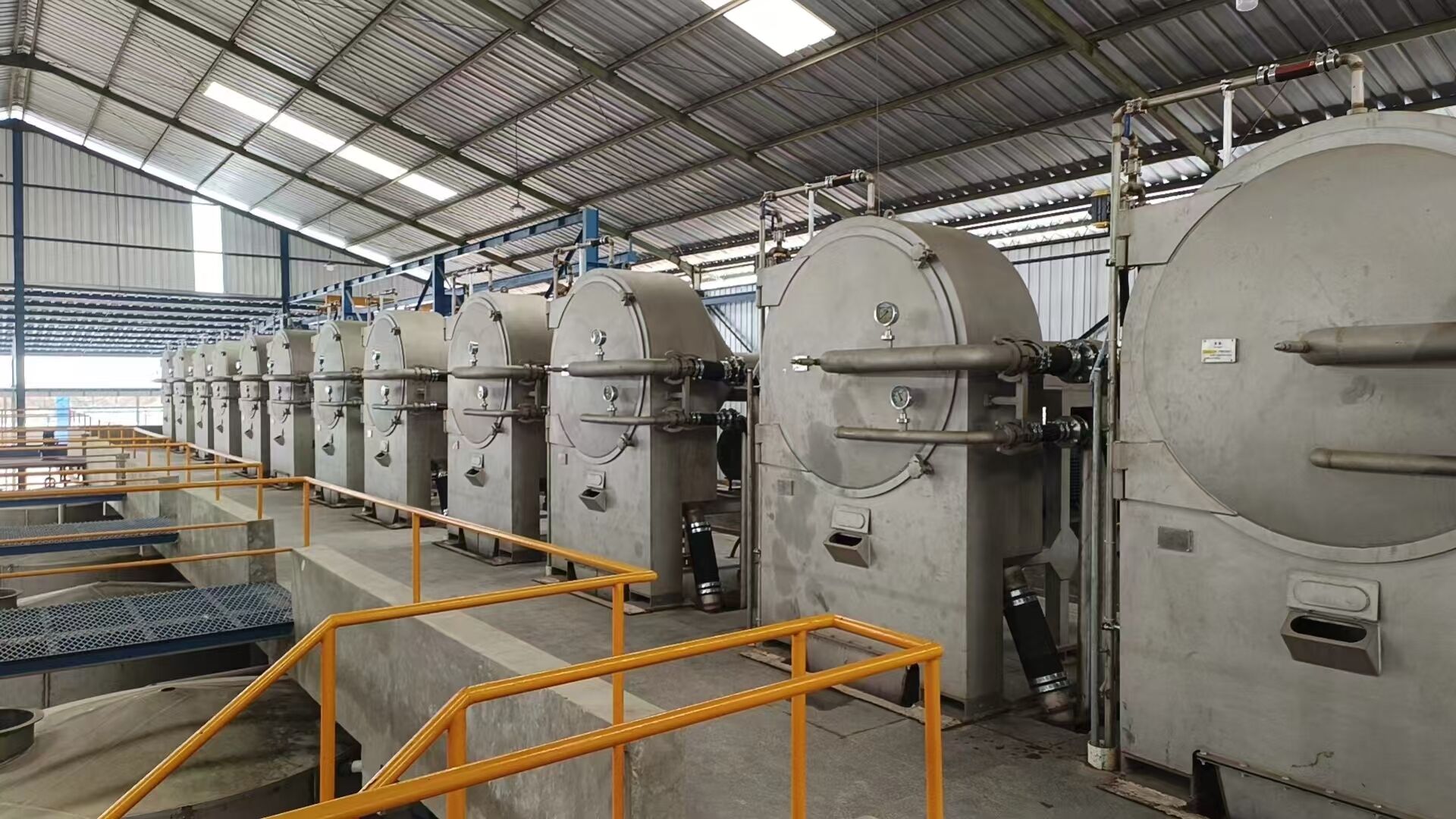
Core Refining Section: 18-stage hydrocyclone group, layered removal of protein, pectin, and fine fibers; starch loss rate <0.2%; high whiteness and extremely low impurities in the finished product, meeting export standards.
Dehydration and Drying: Vacuum filtration dehydration → Large airflow drying tower, starch moisture content stably controlled within the national standard of 13%.
Automatic Screening and Packaging: Ten-stage fine square screen, ton bags/25kg. Automated packaging line, with supporting finished product automated warehousing
Supporting by-product line: Protein water concentration for potato protein extraction, generating additional revenue; potato residue feed sales to offset raw material costs
Total Investment Details
Total investment: 60 million to 110 million RMB, divided into five major sections:
Fully automated production line: 22 million to 38 million RMB
Includes washing, grinding, hydrocyclone station, dehydration, drying, automated packaging, and a central intelligent control system
Civil engineering and warehousing: 18 million to 30 million RMB
Standardized explosion-proof production workshop: 2000 to 3000 square meters (Class C2 dust explosion-proof, explosion-proof walls, explosion-proof electrical systems)
Large-scale constant-temperature cellar for fresh potatoes (capable of storing tens of thousands of tons of fresh potatoes, extending the processing cycle)
Finished product automated warehouse, boiler room, power distribution room, office and quality inspection building.
Environmental protection and wastewater treatment system: 8 million to 15 million RMB
Potato starch wastewater COD is as high as 10,000 to 20,000 mg/L, requiring screen + flotation + anaerobic + Aerobic biochemical deep treatment station; small sedimentation tanks cannot meet standards; supporting dust bag filter and odor deodorization equipment.
Public utilities: 4-7 million RMB. Natural gas steam boiler, large three-phase transformer, circulating water supply system, complete fire protection and explosion-proof facilities.
Working capital: 10-20 million RMB. Potatoes are purchased in a concentrated season once a year, and one-time stockpiling ties up a large amount of cash flow; packaging, labor, and logistics reserves.
Supplement: 30,000-ton-per-year dual-line large-scale plant.
Total investment: 100-180 million RMB, including a protein extraction and deep processing workshop, doubling the scale of environmental protection and warehousing.