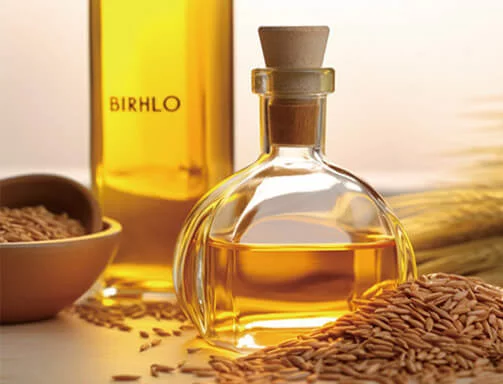
Both cold-pressed and hot-pressed soybean oil start with the same raw material, yet they serve very different markets. Why do some factories choose one process over the other? Here is a clear breakdown of the key differences.
Cold Pressing – Simple, Natural, Value-Added
Cold pressing, also known as "simple pressing," involves direct mechanical pressing without heating. Its biggest advantage lies not in the equipment, but in the higher reuse value of the soybean meal. During cold pressing, soybean protein remains undenatured and water-soluble, so the pressed cake can be used to make deep-processed products like dried bean curd sticks and tofu skin.
Process Flow: Cleaning → Crushing → Pressing → Double Filtration → Oil Storage. The short process retains more nutrients, including vitamin E and essential fatty acids. Cold-pressed oil is light in color with a mild, natural soybean aroma.
Cold Pressing is Best For:
Producers planning to further process soybean meal into high-value products
Premium health oil markets
Small to medium-scale operations
Hot Pressing – Rich Aroma, Higher Yield
Hot pressing requires three additional steps compared to cold pressing: crushing, softening, and flaking before pressing. The resulting bean cake is mainly used as animal feed or sent to the extraction workshop for further oil recovery.
Process Flow: Cleaning → Crushing → Softening → Flaking → Pressing. The additional steps produce a darker oil with a strong, rich soybean fragrance that enhances stir-fried dishes. However, some nutrients are lost during high-temperature processing, and the oil has a higher acid value compared to cold-pressed oil.
Hot Pressing is Best For:
Producers seeking traditional strong-aroma soybean oil
Mass market consumption
Large-scale industrial production
Quick Comparison of Key Differences
Cold pressing uses a short process with direct pressing. Oil yield is typically 75-80%, and nutrient retention remains high. The oil has a light, natural flavor. The meal is valuable for making tofu skin and soy products. This method is best suited for small to medium-scale operations and premium health oil markets.
Hot pressing involves three extra steps: crushing, softening, and flaking. Oil yield reaches 85-90% with a rich, strong aroma. However, some nutrients are lost at high temperatures. The meal is used for animal feed or sent to extraction. This method is ideal for large-scale industrial production and traditional strong-aroma soybean oil.
Smart Factories Install Both Lines
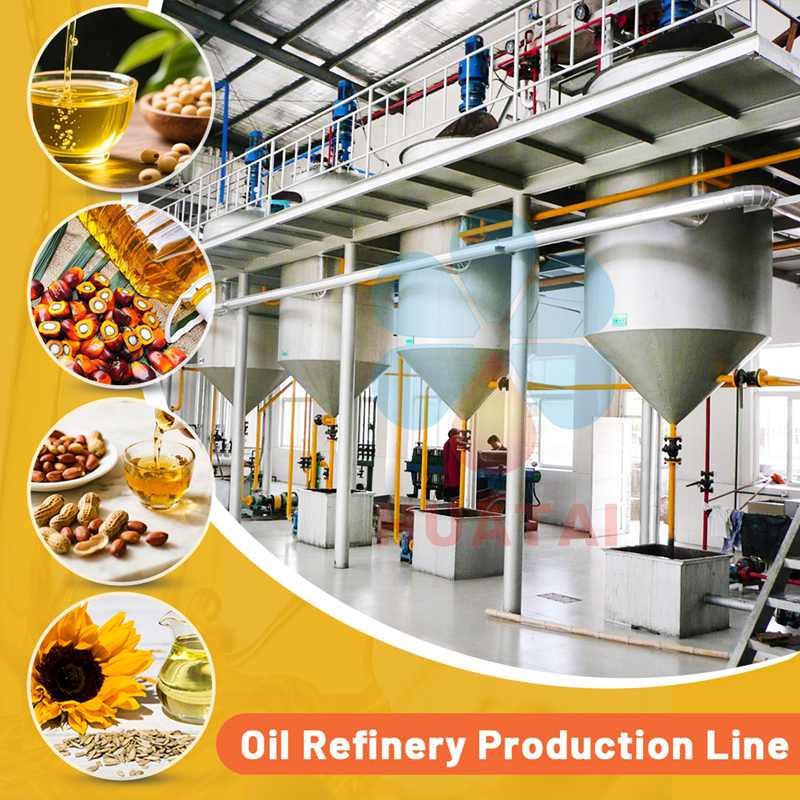
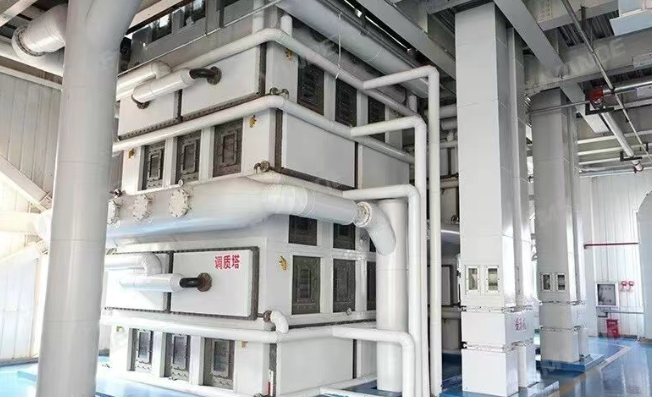
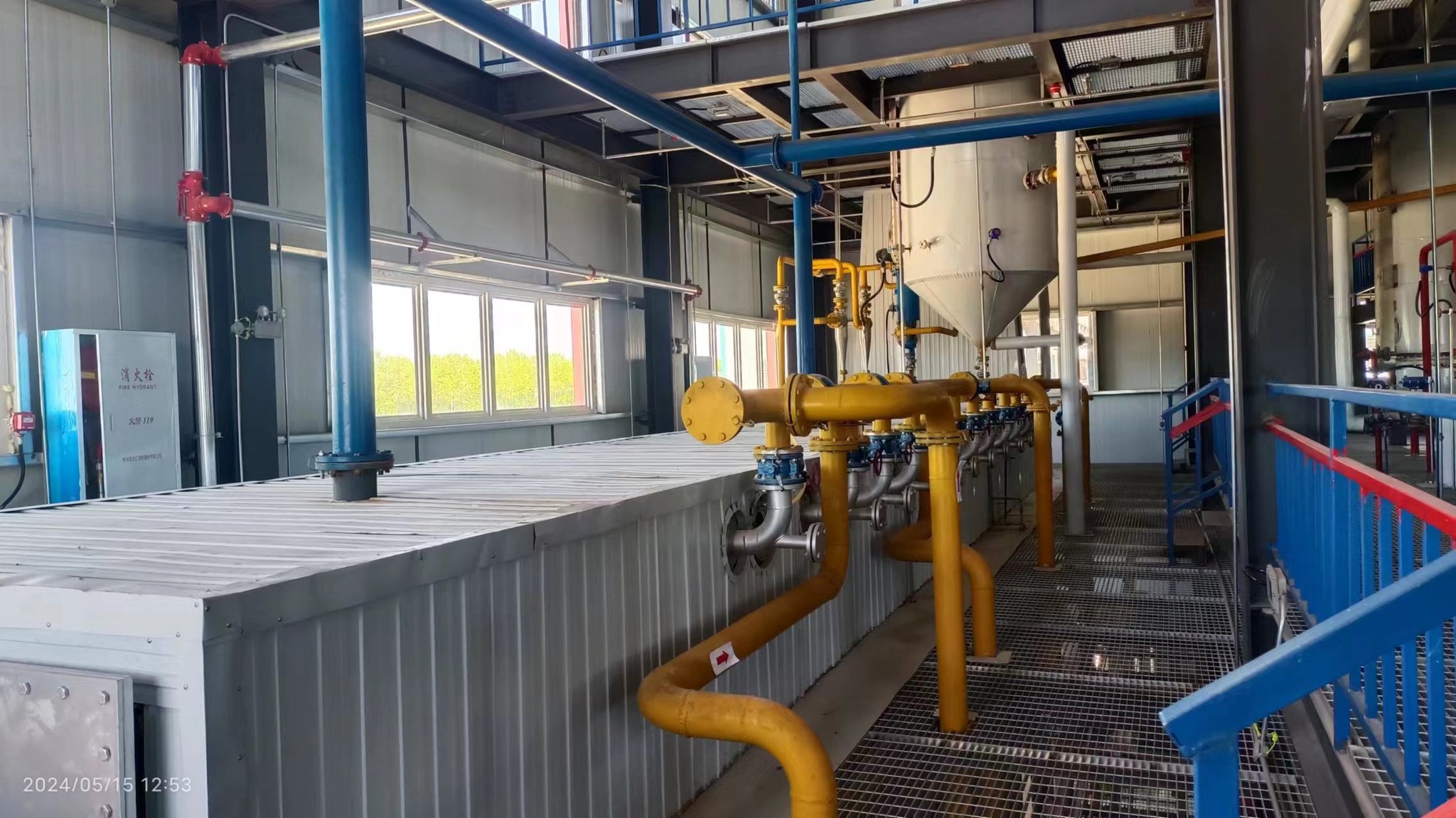
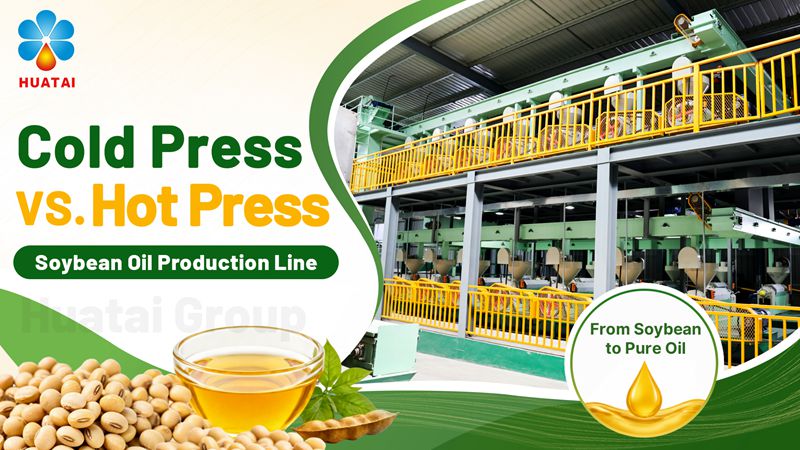
The factory behind you demonstrates a winning strategy: installing both cold and hot pressing lines minimizes risk and captures multiple market segments. This approach gives you the flexibility to serve premium health markets and traditional cooking oil markets simultaneously.
Why Choose Huatai Group
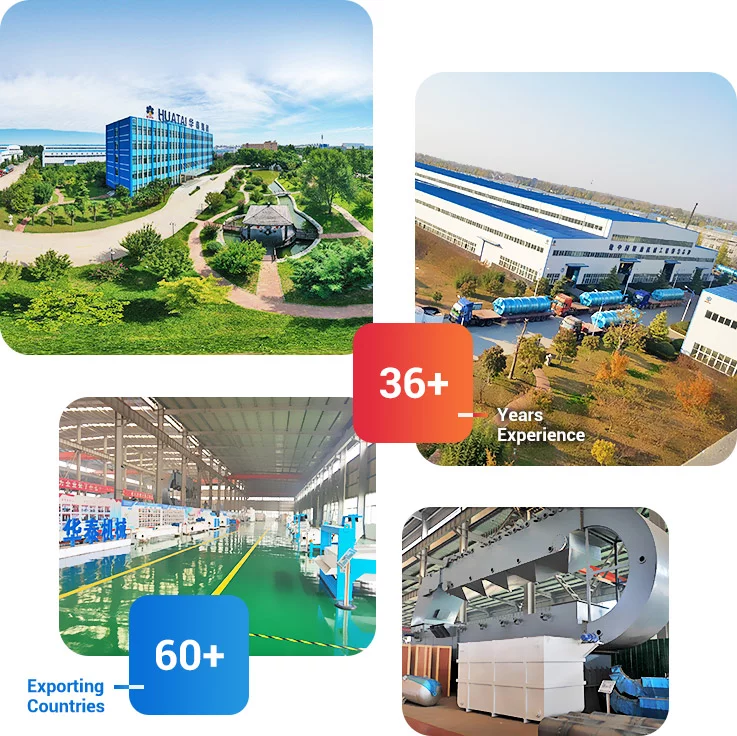
With over 38 years of expertise and service in 70+ countries, Huatai Group delivers complete turnkey soybean oil production lines for both cold and hot pressing. From single machines to 5000 TPD plants, we provide:
Full process integration: pretreatment → pressing → extraction → refining
Patented technology for maximum efficiency
Energy-saving design – heat recovery reduces consumption by 15-20%
PLC automation – consistent quality, low labor cost
Turnkey delivery: design, manufacturing, installation, commissioning, training
24*7 technical support