The Forms and Characteristics of Oils in Cells: Oilseeds are living organisms, composed of numerous cells, just like other organisms. Under a microscope, the cotyledon cells of mature soybeans, peanuts, camellia seeds, and tea seeds are observed to be tightly packed. Soybean cotyledon cells are mostly oval, with some being round, but arranged regularly; there are almost no intercellular spaces, meaning the tissue structure is dense and not easily damaged.
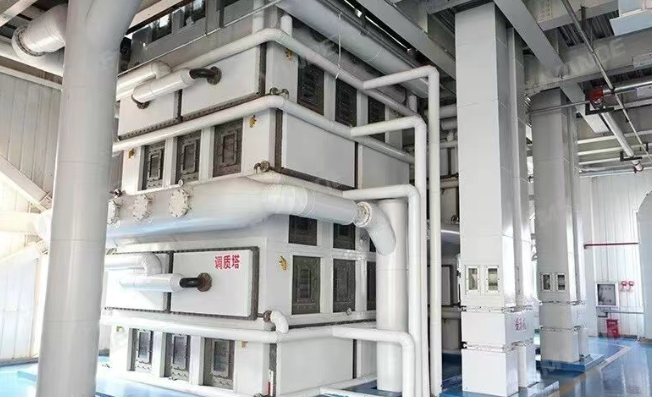
The Conditioning Mechanism of Soybeans: In the conditioning process of the pretreatment workshop, soybeans are gradually heated to 65-75 degrees Celsius. Under high temperature, various components begin to change: the proteins covering the surface of the oil bodies (OB) in soybean cells begin to denature, coagulate, swell, and soften upon heating; another aspect of heating soybeans is the effect on phospholipase. Phospholipase is activated at approximately 55°C and its activity is maintained at approximately 100°C. Within this temperature range, and with sufficient exposed surface area and time, phospholipase modifies phosphatidyloleic acid in oil molecules by breaking down non-fatty acid fractions. The calcium and magnesium salts of phosphatidic acid produced as a result are often more oil-soluble than water-soluble, thus converting phospholipids from a hydrated form to a non-hydrated form. The surface tension and viscosity of the oil droplets decrease, increasing fluidity. Furthermore, the pressure caused by protein changes causes numerous relatively independent oil droplets to combine, forming very thin, fine droplets. Simultaneously, the affinity of liquid oil for solid surfaces decreases, resulting in optimal oil-oil separation. Water in soybeans exists in the form of free water, structural water, and adsorbed water. At high temperatures, water in the cells expands and evaporates through capillaries. This results in both swelling forces on the cell walls, disrupting their structure, and swelling forces on the soybean skin, reducing the bond between the skin and the bean, and even detaching the skin from the bean. This makes it easier for the skin to separate from the bean during the peeling process after crushing. High temperatures also cause changes in the cell walls, weakening the "gluing" effect and reducing cell protection, while increasing the permeability of oil flow. In the
solvent extraction process, the solvent easily penetrates the cells and carries the oil out. It also imparts appropriate plasticity to the soybeans, making them easy to stretch and flatten during the rolling process, resulting in minimal breakage and fine powder. This improves the forming effect of the billet and reduces power consumption during rolling.
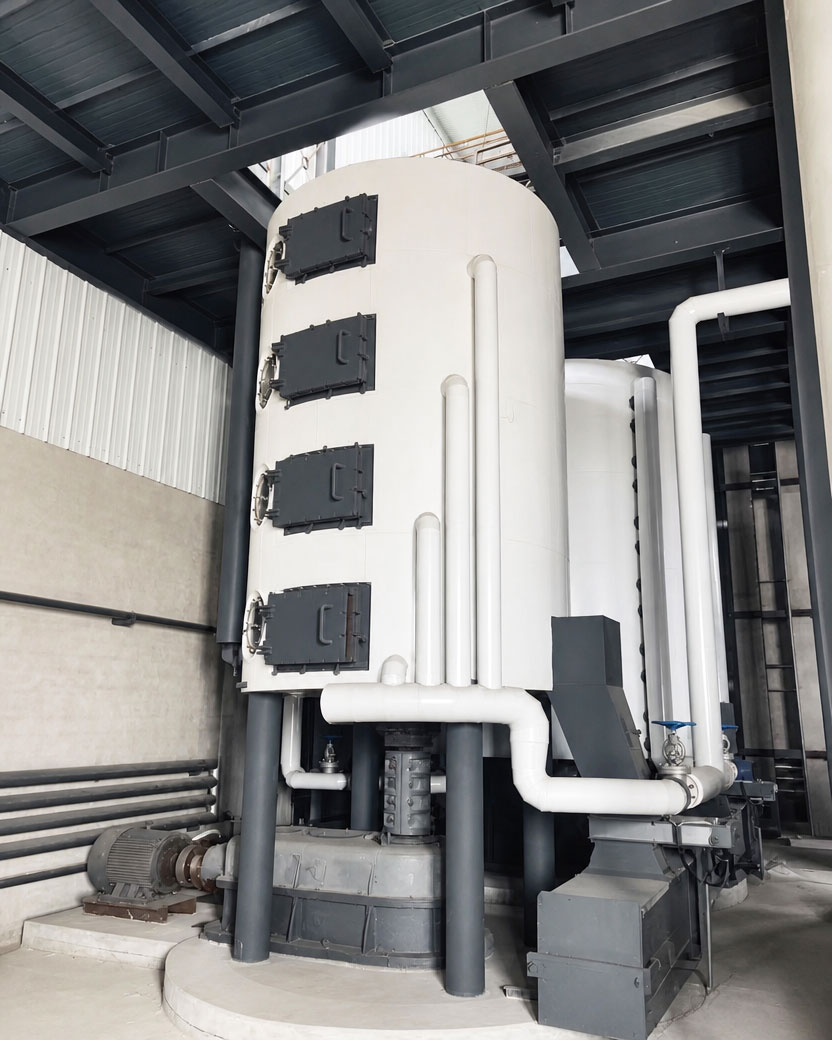
Except for cold pressing, almost all oil extraction processes require heating the oilseeds, sometimes with further drying before oil extraction. For oilseeds pre-pressed before solvent extraction, they are typically heated to 90-110°C to reduce oil viscosity, allowing for oil discharge during pressing and producing a high-quality pre-pressed cake. This heating is usually done in two stages: initial heating to approximately 65°C before rolling, and then final heating to approximately 100°C before entering the oil press. The high temperature reduces the viscosity of the oil inside the press, making it easier to drain. The high degree of drying, along with the evaporation and expansion of internal moisture, largely disrupts the cellular structure of the oilseeds. The final low moisture content maximizes friction within the press, thereby maximizing internal pressure. These features all improve oil extraction and result in minimal residual oil in the pressed cake.