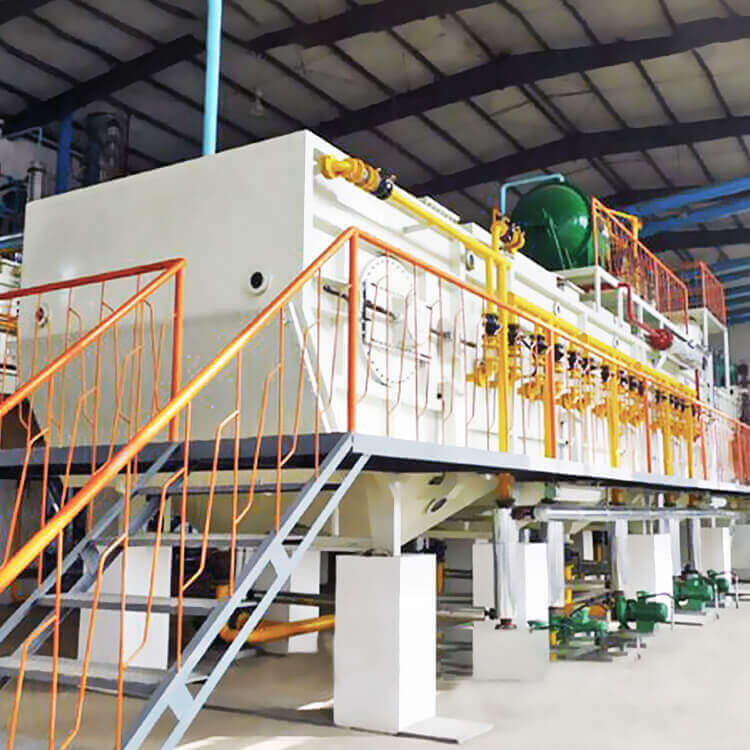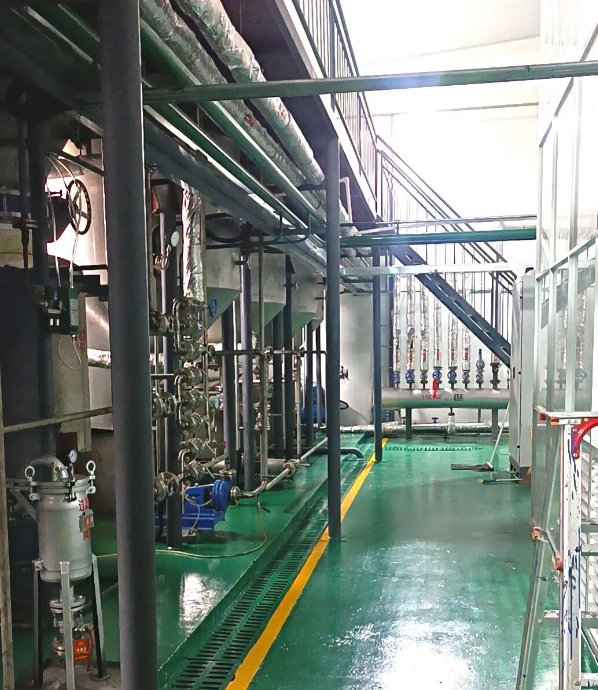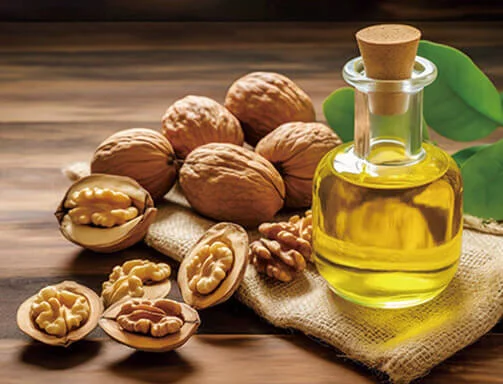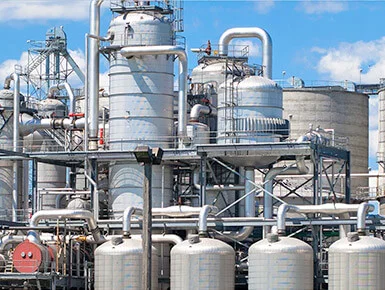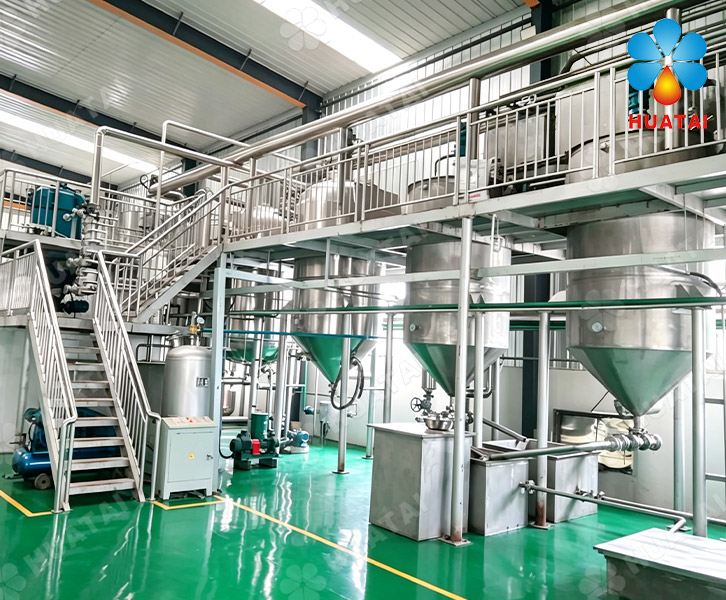
Oils and fats extracted from oilseeds, fruits, and kernels can yield oils with good flavor and few impurities, or oils with high impurity content and poor flavor. In this sense, refining aims to eliminate these impurities and improve their physical, chemical, and sensory properties, making the resulting oil suitable for human consumption. The final stage in the process of obtaining edible vegetable oils is crude oil refining, which involves several physical and chemical steps aimed at removing impurities. One of the most delicate steps is decolorization, removing impurities from soybeans through an adsorption process.
Bleaching or decolorization is traditionally used to describe pigment reduction processes, such as adsorbing chlorophyll and carotenoids from vegetable oils in an adsorbent called bleaching clay or decolorizing clay. After the vegetable oil is mixed and stirred with the adsorbent and the temperature is controlled to promote pigment removal, the adsorbent is removed from the vegetable oil through a filtration process, resulting in a cleaner and more stable oil. The decolorization process is a crucial step in refining edible oils and can be considered one of the most expensive.
1. Adsorption, the mechanism for adsorbing impurities, occurs in three different ways: physical methods; chemical (through chemical absorption, forming electrochemical bonds with the bleaching clay surface); and through molecular sieves (during filtration, molecular sieves retain impurities in the bleaching clay under pressure).
2. Filtration, primarily a physical mechanism for removing suspended solids or contaminants. Simultaneously, the physical action of removing suspended bleaching clay through filtration removes tiny contaminants absorbed by the bleaching clay particles. Filters used in the decolorization process include process filters.
3. Catalysis, a mechanism for removing contaminants through interaction with the bleaching clay surface. For example, peroxides are effectively reduced through the interaction between bleaching clay and oil (polymerizing or decomposing into volatile products). Adsorbent materials used in the vegetable oil decolorization stage are typically aluminum silicate, bentonite, activated carbon, or montmorillonite, which can be treated by acidification to increase the specific surface area of contact, thereby increasing the material's adsorption capacity. Natural decolorizing clay, known as fullerite, contains hydrated aluminum silicate. The most common natural bleaching adsorbent is montmorillonite. Currently, acid-activated (sulfuric acid and hydrochloric acid) decolorizing adsorbents are used instead of natural bleaching clay. Studies have shown that natural bleaching clay absorbs 20-25% w/w of oil, while activated bleaching clay absorbs 35-40% w/w, and activated carbon absorbs 40% w/w. (Impurities present in the unbleached oil are adsorbed by van der Waals forces at the active sites of the adsorbent. The adsorption force depends on factors such as the electrostatic force between the impurities and the active sites, the particle size of the impurities, the stirring of the mixing medium between the adsorbent and the oil to be decolorized, the porosity of the adsorbent, and the specific surface area of the adsorbent.) The optimal process for decolorizing soybean oil is to decolorize at 95°C for 20 minutes using 1% bleaching clay (relative to the mass of the oil to be decolorized). This process condition has proven effective in reducing color and without generating degradation compounds. An experimental design involving three levels of factors and one intermediate factor was used. The factors included temperature, bleaching clay dosage, and time, which were measured and analyzed using response surface methodology.
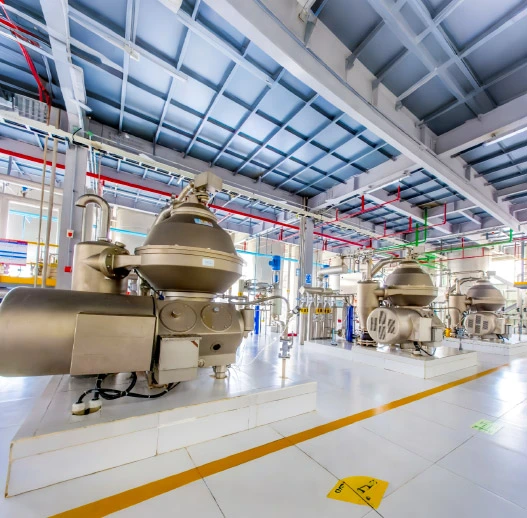
The
decolorization process does not affect the oil's structure, but the percentage of free fatty acids (FFA) in the decolorized oil sample increases. During decolorization, the sample's peroxide value and color decrease. Since vegetable oils are a major dietary source, refining, especially the decolorization process, plays a crucial role in producing high-quality oils. Therefore, this step is one of the key control points for ensuring the quality of the final product. Vegetable oils are also a major source of PAHs in the diet; therefore, the use of activated carbon for industrial treatment during vegetable oil decolorization is strongly recommended.
Impurities in oil can cause darkening, foaming, lower smoke point, and reduced oxidative stability, as well as other adverse effects during production, ultimately degrading the safety and quality of the finished product. The optimization of the vegetable oil decolorization process is determined by combining factors such as reaction time, reaction temperature, and adsorbent dosage, with these variables tailored to the specific application.
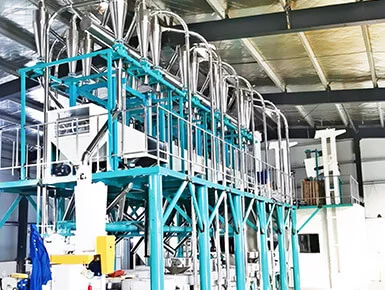
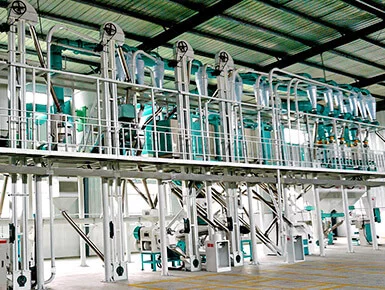
Please leave your inquiry information, We will contact you ASAP and send you the complete features and specifications of the edible oil machine equipment. Welcome to visit our factory and for latest quotation.