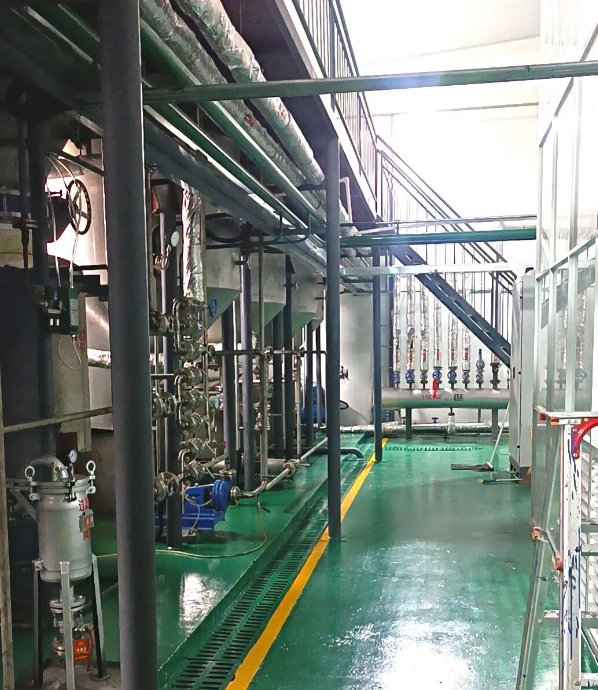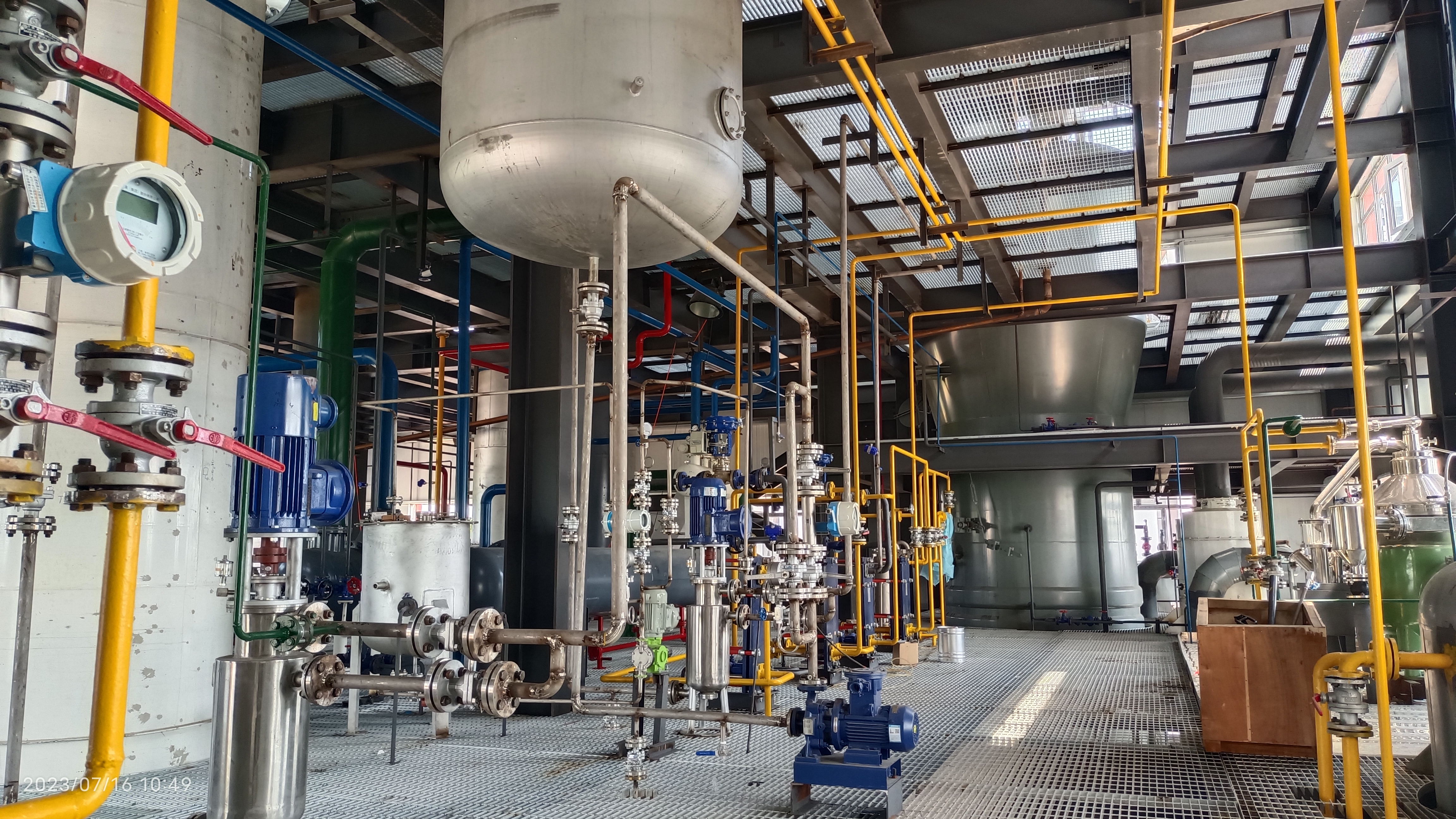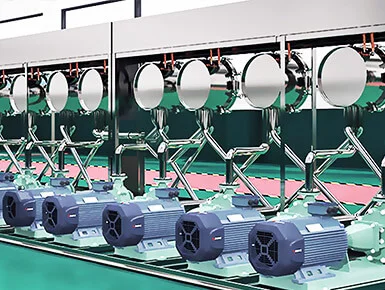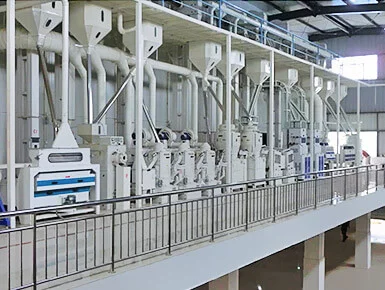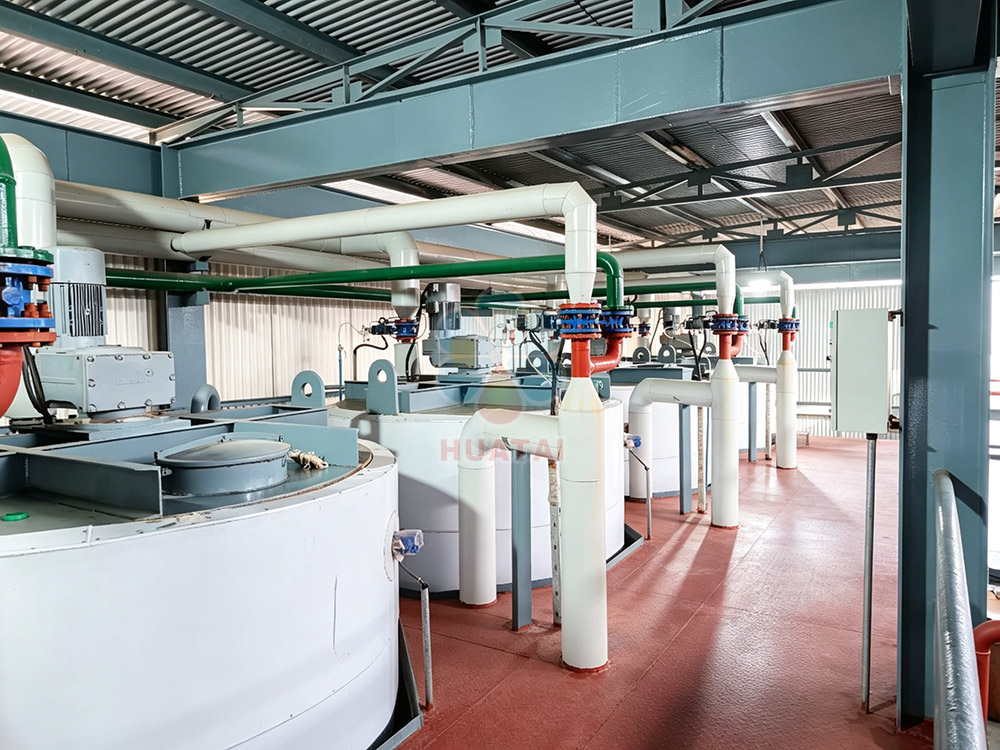
Fractionation Principle: A purely physical process relying on differences in triglyceride melting points. It uses precise temperature control for cooling and crystallization to separate a single oil/fat into a high-melting solid phase (stearin) and a low-melting liquid phase (olein). Three mainstream processes exist: dry fractionation (industrial preference, low cost), solvent fractionation (using n-hexane or acetone; high purity, high investment), and emulsification fractionation (using surfactants; rarely used at scale).
The following sections detail the fractionation of palm oil, coconut oil, and animal fats (beef tallow/lard), covering process characteristics, products, applications, and industry variations—useful references for the export of grain and oil processing equipment.
Palm Oil Fractionation (Most mature industrial process and largest capacity globally)
Raw Material: RBD (Refined, Bleached, and Deodorized) palm oil (mesocarp oil; primarily C16/C18 long-chain fatty acids).
Mainstream Process: Dry fractionation (widely adopted across Malaysia and Indonesia).
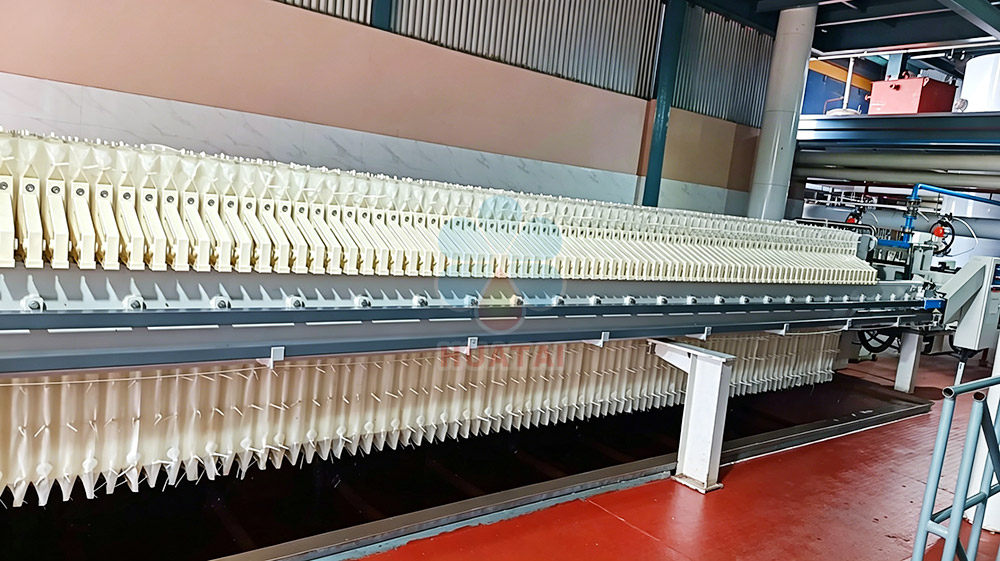
Standard Workflow:Preheating to 70°C (to erase crystal memory) → Slow, stepped cooling for crystal growth (16–24°C) → Membrane press filtration for separation.
Two Primary Products of Single-Stage Fractionation:
Palm Olein (Liquid fraction)
Melting point ≈ 18–22°C; liquid at room temperature. Uses: Frying oil, table cooking oil, salad oil; a staple for households in Southeast Asia.
Palm Stearin (Solid fraction)
Melting point 42–52°C. Uses: Margarine, shortening, soap, industrial fats.
Advanced: Multi-stage Fractionation
Further fractionation yields Palm Mid-Fraction (PMF); melting point 32–36°C. Properties resemble cocoa butter, allowing use as Cocoa Butter Equivalent (CBE) in chocolate production; high added value.
Characteristics:
Stable crystallization properties; crystal growth time of 8–14 hours; standardized equipment with mature, readily available complete production lines both domestically and internationally.
Limitations: Separation precision is limited in single-stage fractionation at one temperature; high-end products require secondary fractionation. II. Coconut Oil Fractionation (Lauric-type oil; properties differ completely from palm oil)
Raw Material: Refined coconut oil (high content of C12 lauric acid and medium/short-chain fatty acids)
Key Distinction: Commonly known in the market as "Fractionated Coconut Oil"
Process Routes1) High-end food applications: Solvent fractionation;
2) Mainstream personal care industry: Dry fractionation + low-temperature removal of long-chain triglycerides.
Fractionation Products
Liquid phase: Fractionated coconut oil (MCT-enriched phase)
Remains permanently liquid at room temperature and does not solidify at low temperatures; resistant to oxidation.
Uses: Cosmetic carrier oil, massage oil, oral pharmaceutical carrier, MCT raw material for health supplements.
Solid phase: Coconut stearin
Melting point: 28–34°C; raw material for soap, candles, and baking stearin.
Key Characteristics (Major difference from palm oil)
Coconut oil has a high overall solidification point (virgin coconut oil solidifies below 22°C); the melting point difference between long- and short-chain triglycerides is small, making separation via single-stage dry fractionation more difficult than with palm oil;
It is difficult to produce high-quality liquid fractionated coconut oil using standard small-scale dry fractionation equipment; many personal care-grade products utilize solvent fractionation.
Common Misconception in Foreign Trade: Palm kernel oil is NOT coconut oil! Palm kernel oil can also be fractionated and belongs to the same lauric acid oil category, but do not confuse the two. III. Animal Fat Fractionation (Beef Tallow, Lard, Mutton Tallow)
Raw Materials: Refined beef tallow / refined lard; characterized by extremely high long-chain saturated fatty acid content and complex composition.
Process Selection:Mass-market baking ingredients: Dry fractionation (prioritizing cost-efficiency).
High-end specialty fats: Solvent fractionation.
1) Beef Tallow Fractionation (BFT)
Crystallization temperature typically ranges from 25°C to 35°C.
Beef tallow stearin: Melting point 48–56°C; used for shortening, industrial hardened fats, and soap.
Liquid beef tallow (low-melting fraction): Melting point 5–20°C; used for baking, filling fats, and margarine base stocks.
Multi-stage fractionation can isolate narrow-melting-range fractions for use in chocolate fats and dairy-flavored fats.
2) Lard Fractionation
Native lard solidifies at approximately 20°C; after fractionation:
Liquid phase: Liquid lard; clean flavor, suitable for frying and Chinese-style quick-frozen dim sum.
Solid phase: Lard stearin; enhances shortening properties, specialized for flaky pastries and cakes.
Challenges in Animal Fat Fractionation (Engineering Priorities)
Triglyceride composition is extremely complex, with a wide crystallization range and the formation of fine, viscous crystals; pressure filtration is significantly more difficult than with palm oil, and filter cloths are prone to clogging.
Temperature control during crystallization is more demanding; cooling rates must be extremely slow.
Animal fats are prone to oxidation; air exposure should be minimized throughout the fractionation process.
High risk of off-flavors; the quality of raw material refining directly determines the flavor of the fractionated finished products.