The essence of
essential oil extraction lies in separating aromatic oils from plant parts—such as petals, seeds, roots, or peels. Different raw materials require distinct processing methods; there is no single piece of equipment that suits every application.
Four Mainstream Extraction Processes
1. Steam Distillation (Most common; co-production of hydrosols and essential oils)
Principle: Steam carries away aromatic compounds; the vapor is condensed, followed by oil-water separation.
Suitable for: Mint, rosemary, lavender, eucalyptus, rose (standard rose oil); allows for simultaneous production of hydrosols.
Not suitable for: Heat-sensitive, heavily scented flowers like jasmine and tuberose; high temperatures destroy key aroma notes.
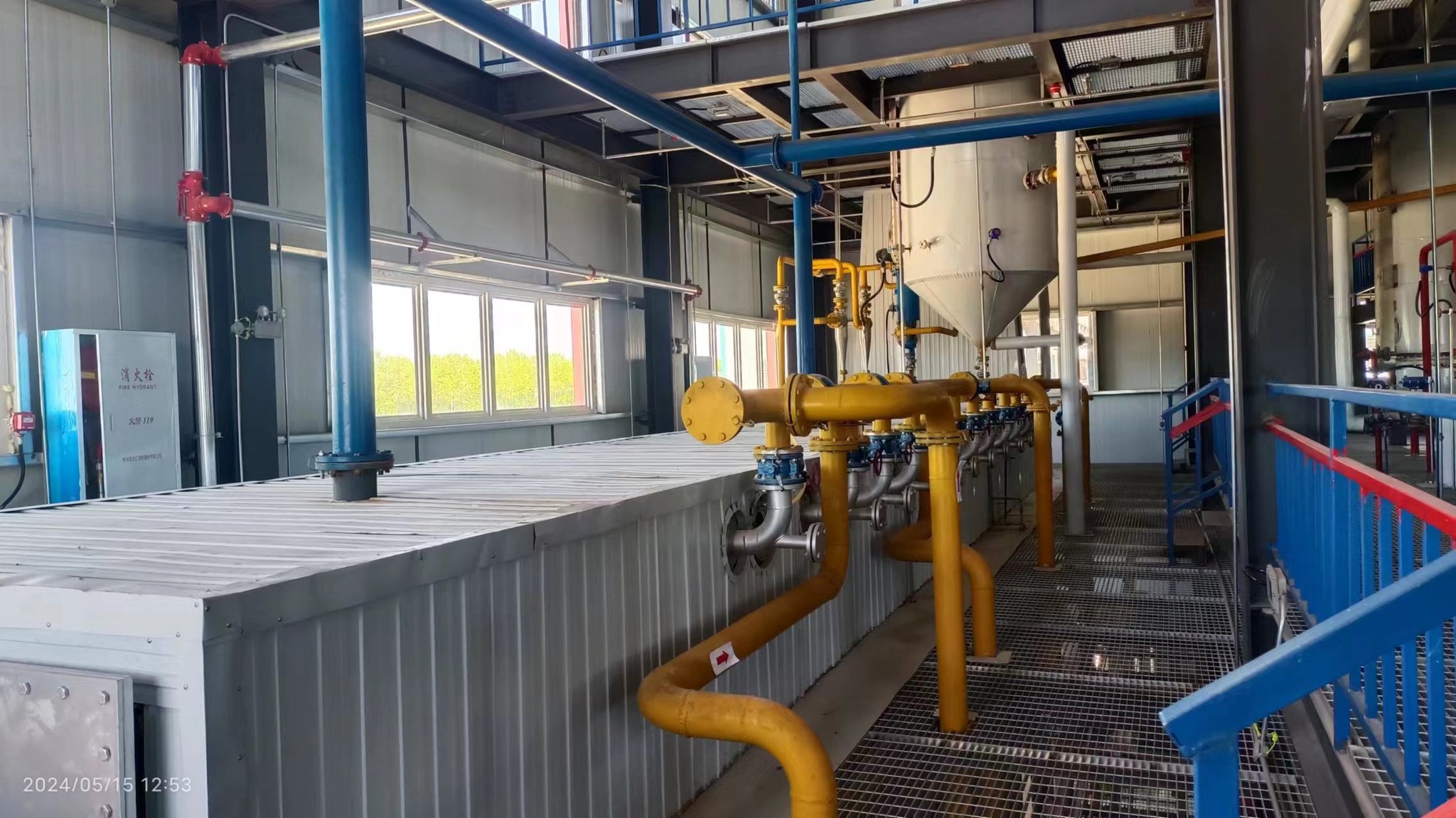
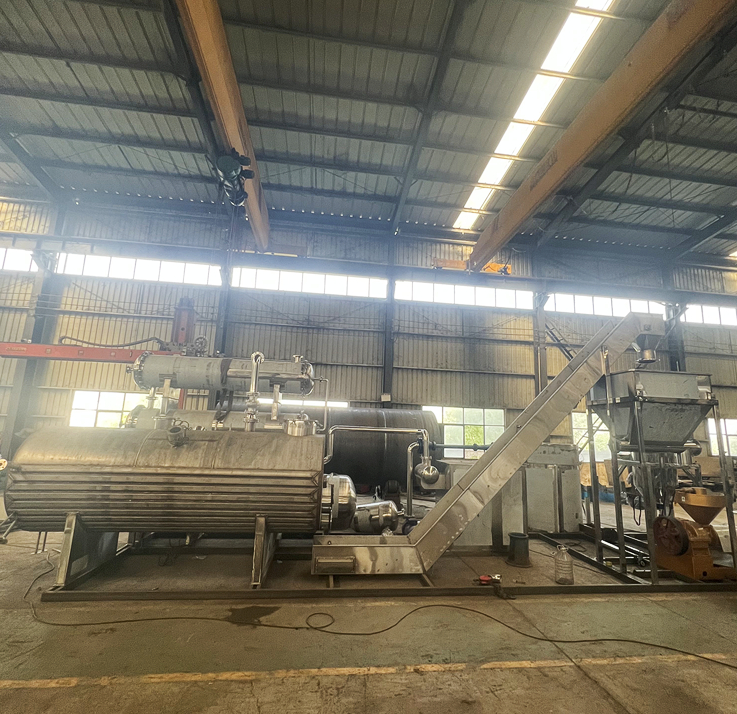
Equipment: Distillation still with flower basket, shell-and-tube condenser, oil-water separator, chiller unit, steam generator; vacuum-assisted models allow for low-temperature distillation (down to 70°C).
Advantages: Low cost, no solvent residue. Disadvantages: High temperatures can degrade some aroma components; relatively low oil yield.
2. Solvent Extraction (High-end floral fragrances: jasmine, gardenia, osmanthus)
Principle: Fresh flowers are soaked in organic solvents (e.g., petroleum ether or hexane) to dissolve aromatic substances; solvent is recovered under reduced pressure to yield a concrete; ethanol is then used to refine this into an absolute.
Suitable for: Jasmine, tuberose; flowers are heat-sensitive, and distillation rarely yields high-quality oil.
Disadvantages: Requires explosion-proof facilities; products must be tested for solvent residue.
Equipment: Extraction tank, filtration system, vacuum concentrator, desolventizing tank, freezing/refining unit.
3. Supercritical CO₂ Extraction (High-end, solvent-free)
Principle: Liquid CO₂ acts as the solvent under high pressure for low-temperature extraction; pressure reduction causes CO₂ to vaporize and separate, leaving no solvent residue.
Suitable for: Ginger, Sichuan pepper, rosemary, rosehip, certain herbs; preserves heat-sensitive active compounds.
Disadvantages: High equipment investment, low production capacity, requires high-pressure vessels, high operating and maintenance costs.
Equipment: CO₂ storage tank, high-pressure pump, extraction vessel, two-stage separation vessels, refrigeration/heat exchange system, CO₂ recovery system.
4. Cold Pressing (used only for citrus peels)
Principle: Mechanically pressing the peel to extract essential oil from the oil sacs; no heat is applied.
Suitable for: Lemon, sweet orange, grapefruit, bergamot.
Not suitable for: Flowers and herbs.
Equipment: Press, centrifuge, filtration unit; Advantage: Freshest aroma.
Key common post-processing steps (required for all essential oil production lines):
1. Crude oil filtration: Removal of plant debris and suspended solids.
2. Static separation/Drying: Removal of trace moisture to prevent spoilage.
3. Fine filtration.
4. Storage: Light-proof stainless steel tanks; stored at low temperatures.
5. Quality control: GC-MS analysis.