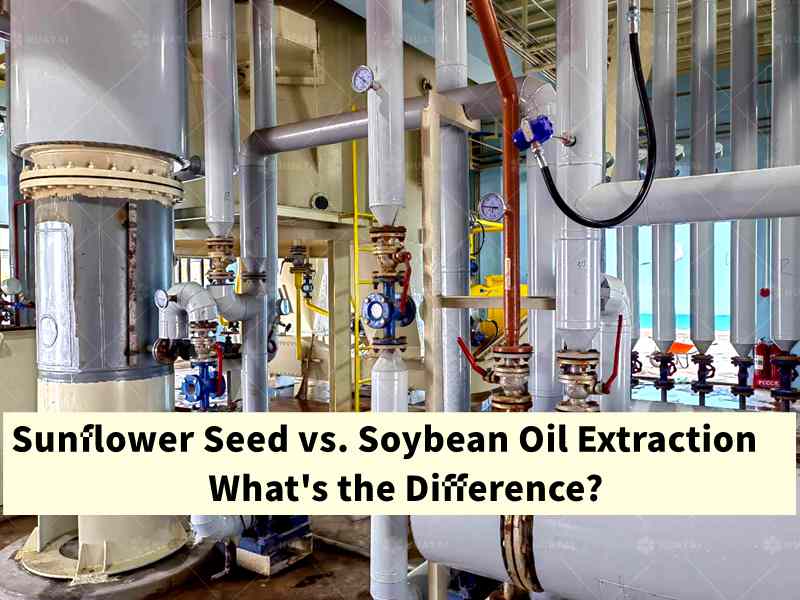
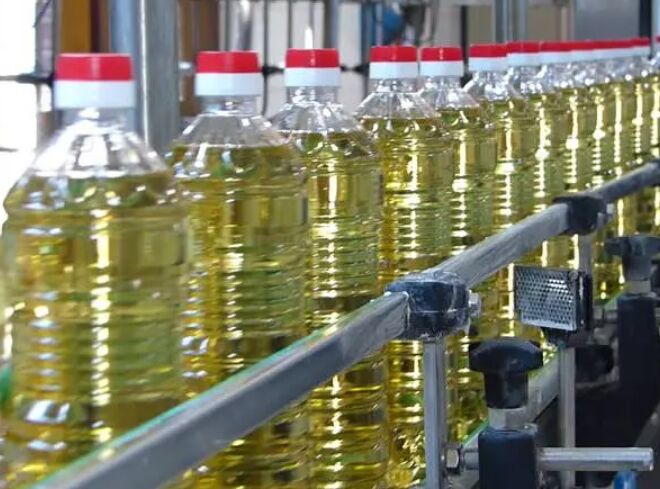
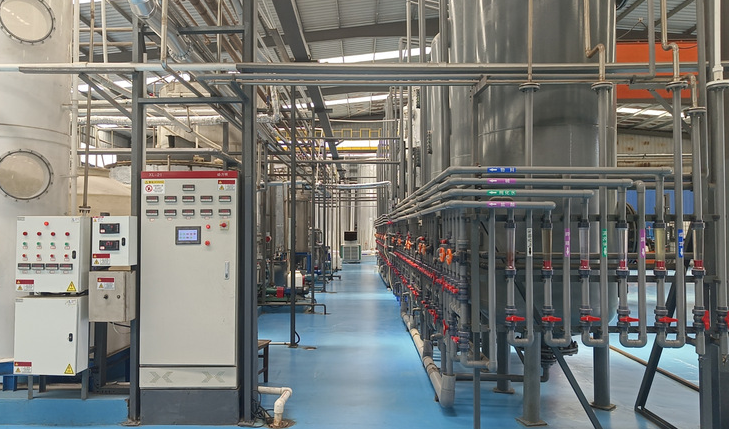
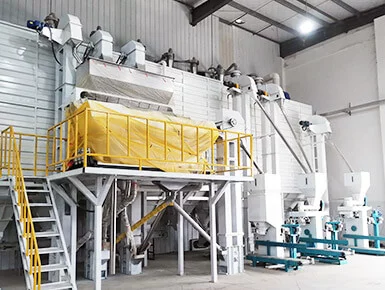
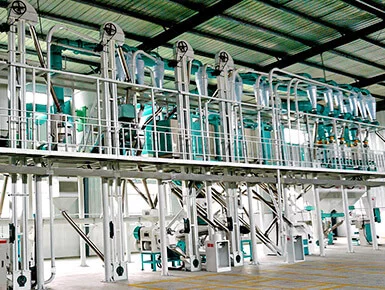
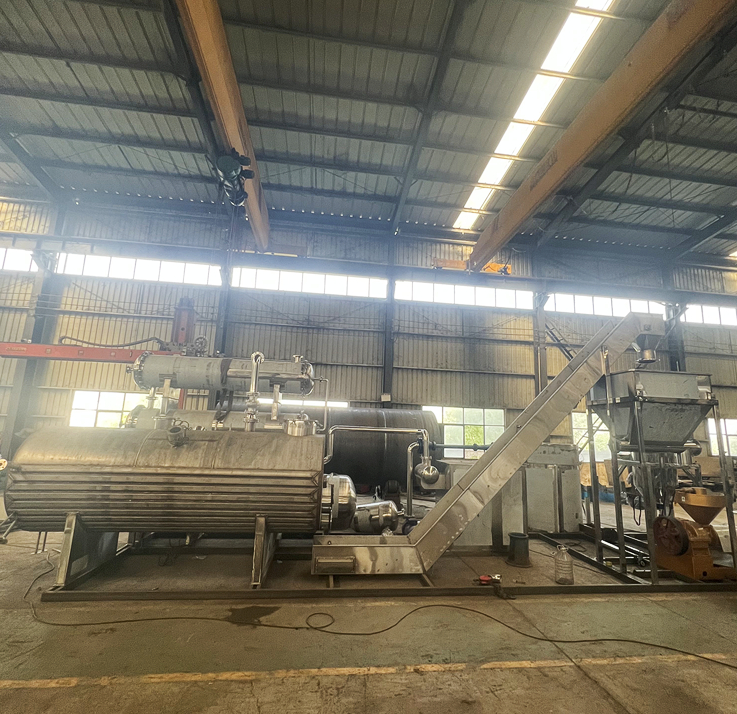
 Fish oil processing equipment
 (comprising four key modules: crude fish oil extraction, refining and purification, EPA/DHA concentration, and softgel encapsulation).
Key distinction: As an animal-derived oil, fish oil is highly susceptible to oxidative degradation of EPA/DHA caused by high temperatures; therefore, the entire system prioritizes low-temperature processing, vacuum conditions, and nitrogen blanketing. The primary difference compared to palm kernel or vegetable oil refining lies in the lower deodorization temperatures and more stringent requirements for antioxidant protection.
Crude Fish Oil Extraction Equipment (Fish, fish viscera, and trimmings → Crude Fish Oil)
Process: Washing → Fish crushing → Cooking → Three-phase separation → Coarse filtration → Crude oil tank
1. Crusher / Meat grinder: Chops fish material to increase the surface area for heating.
2. Cooker (Sealed low-temperature cooking tank): Heats the material to coagulate protein and release oil; avoids prolonged high-temperature cooking to prevent fish oil oxidation.
3. Decanter centrifuge (Three-phase separator – Core equipment): Separates oil, water, and fish solids in a single step; the most critical piece of equipment in the fish oil production line.
4. Bag filter / Plate-and-frame filter press: Removes fine residues.
5. Crude oil storage tank (Insulated + Nitrogen blanketing): Isolates the oil from air to prevent oxidation and rancidity.
Output: Crude fish oil (characterized by a strong fishy odor, high gum content, and high FFA levels; not suitable for direct consumption; similar to Crude Palm Oil/CPO).
Fish Oil Refining Equipment (Crude fish oil → Refined edible fish oil; core process: low-temperature refining)
Process: Degumming → Deacidification → Bleaching → Deodorization → Winterization (Fractionation)
1. Degumming reaction tank: Adds phosphoric acid for hydration; uses a centrifuge to separate gums.
2. Neutralization tank (Deacidification tank): Alkali refining to remove free fatty acids (FFA); equipped with a disc-stack centrifuge to separate soapstock.
3. Bleaching tank (Vacuum bleaching): Adds activated bleaching earth or activated carbon in a vacuum environment to adsorb pigments, peroxides, and heavy metals, followed by filtration.
4. Low-temperature vacuum deodorization tank
Vegetable oil deodorization typically occurs at 240°C; fish oil requires high-vacuum steam distillation at 110–170°C to remove fishy odors and oxidation products (aldehydes and ketones). Excessive temperatures cause the direct decomposition and loss of EPA/DHA efficacy.
5. Winterization crystallization tank + Filtration unit: Low-temperature cooling to filter out saturated fat crystals, yielding clear liquid fish oil (improving clarity and lowering the solidification point).
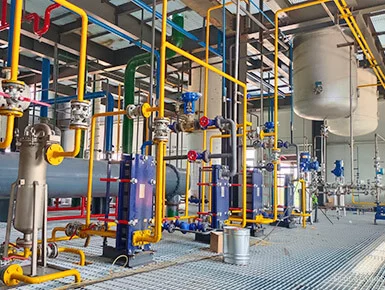
6. Vacuum units, heat exchangers, thermal oil systems, and nitrogen protection systems (ensuring complete isolation from oxygen throughout the process).
Key difference between fish oil and palm oil refining: Palm oil withstands high temperatures, whereas fish oil requires low-temperature vacuum processing and nitrogen protection to prevent Omega-3 oxidation and degradation.
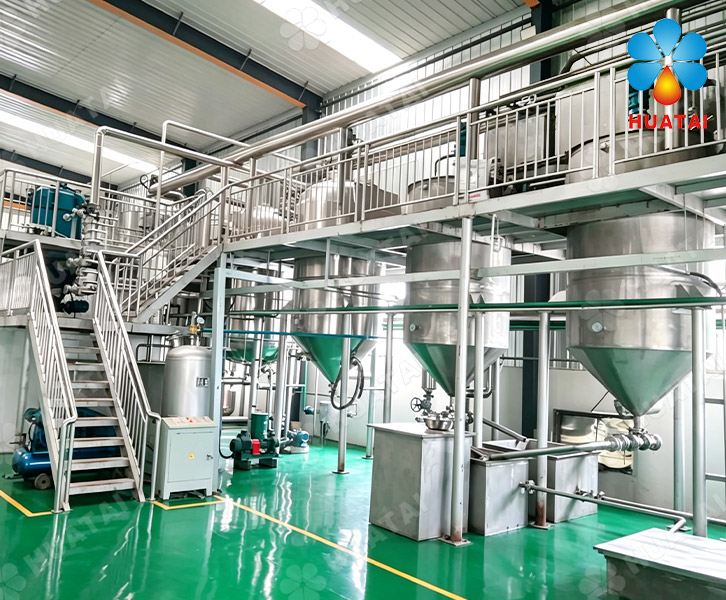
High-purity EPA/DHA concentration equipment (for dietary supplement-grade fish oil; high-end modules available)
Standard refined fish oil contains only 20–30% EPA+DHA; concentrating this to over 85% requires:
Molecular distillation equipment (short-path distillation): Separates fatty acids and oil fractions with different carbon chain lengths under high vacuum and low temperatures to yield high-purity EPA and DHA monomers; essential equipment for premium dietary supplement fish oil, though expensive.
Softgel encapsulation equipment (producing fish oil capsules and final packaging).
1. Gelatin melting tank: Preparing the gelatin shell material.
2. Rotary encapsulation machine (softgel machine): Encapsulating fish oil within gelatin shells.
3. Tumbler pre-dryer, drying tunnel, capsule washer, and sorting machine.
4. Bottling and labeling equipment.
Key considerations for equipment selection
1. Feed-grade fish oil: Extraction and simple refining only; no molecular distillation required; low cost.
2. Food/supplement-grade fish oil: Full low-temperature refining and nitrogen protection; for high-purity capsules, molecular distillation and a softgel production line are added.
3. Materials: All chambers and pipelines contacting the oil must be made of 304/316 stainless steel (not ordinary carbon steel) to prevent heavy metal-catalyzed oxidation.
4. Capacity classification: Small-scale (1–5 tons/day); medium-scale (10–50 tons/day); large-scale (hundreds of tons/day).