Mixed Oilseed Pressing
Core Principles: Prerequisites for mixing include similar seed-roasting temperatures, similar moisture content at the time of pressing, absence of toxins, and comparable particle sizes.
General Industry Rule: Oilseeds requiring vastly different processing conditions should ideally be pressed separately and blended later to ensure consistent quality; mixed pressing is typically used by oil workshops to create specialty flavored oils.
Recommended Combinations (Common in Oil Workshops)
Sunflower seeds + SesameSimilar roasting temperatures make them a great match; sunflower oil is mild, allowing the sesame aroma to shine, and the mixture flows smoothly during pressing.
Peanuts + RapeseedSimilar hot-pressing temperatures; produces a rich, robust flavor—ideal for cooking oil.
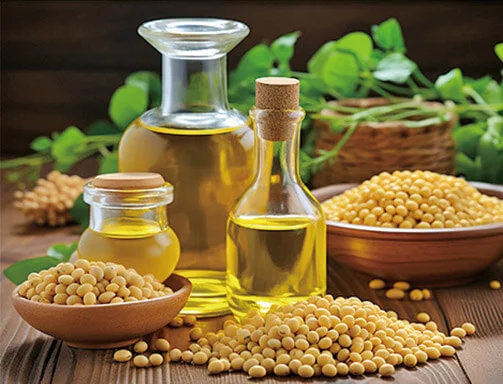
Rapeseed + SoybeansSimilar roasting temperatures; the resulting protein-rich meal has higher value; however, the soybean proportion shouldn't be too high, or slippage may occur in the press.
Sunflower seeds + Flaxseeds (Cold Pressing)Suitable for cold pressing (no high-heat roasting); flaxseeds boost Omega-3 content.
Note: Flaxseeds are heat-sensitive and cannot be hot-pressed, as high temperatures cause oxidation and spoilage.
Pumpkin seeds + Sunflower seedsSimilar particle sizes and roasting temperatures; creates a blend of nutty flavors.
Benefits of Mixed Pressing
1. Adding high-oil seeds (sesame, sunflower) lubricates the press chamber, reducing slippage associated with low-oil seeds and increasing overall oil yield.
2. Produces a blended-flavor oil in a single step, eliminating the need for post-processing blending.
3. Results in a more balanced fatty acid profile.
Risks of Mixed Pressing
1. Conflicting roasting temperatures are a major pitfall: if one seed requires high heat while the other is heat-sensitive, one will inevitably be compromised.
2. Differences in particle size and specific gravity can lead to stratification (separation), uneven feeding, and inconsistent oil output.
3. If one type of seed is moldy, the entire batch of oil may be ruined.
4. The crude oil composition becomes complex, making subsequent refining more difficult. Comparison of Two Processing Methods
1. Mixed pressing (roasting and pressing ingredients together): Common in small-scale oil workshops; prioritizes flavor. Drawbacks: Inconsistent quality and susceptibility to nutrient loss.
2. Separate pressing followed by blending (preferred by the industry): Each oilseed type is roasted and pressed using its optimal process; flavor, purity, and oxidative stability are controllable, ensuring batch-to-batch consistency.