Starch derived from tuber crops has a wide range of applications—from culinary staples like vermicelli and *liangpi* (cold starch noodles) to uses in food processing and as an industrial raw material—ensuring robust demand and a promising market outlook. So, What preparations are necessary to establish a professional starch processing plant?
Raw Material Sourcing: Localized Procurement and Stable Supply
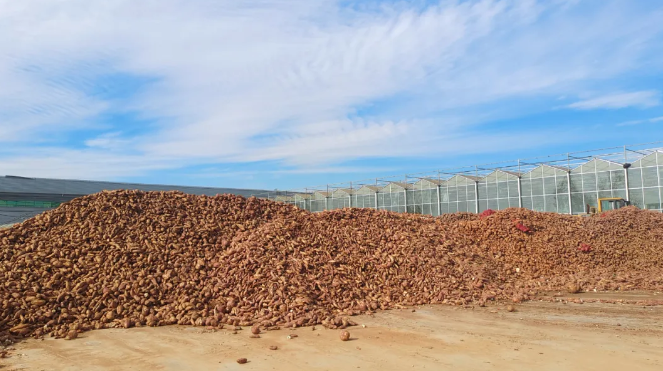
Sweet potatoes, potatoes, cassava, kudzu root, and canna (edible) tubers can all be processed into starch. my country boasts extensive cultivation areas for these crops, with sweet potato and potato production ranking among the highest globally. When selecting a site, prioritize proximity to raw material sources to minimize transportation costs and guarantee a stable, year-round supply.
Facility Planning: Functional Zoning Based on Operational Needs
The layout should be planned according to specific production requirements, with distinct functional zones established for different stages of the process.
Starch Processing Equipment: Configuration Determines Productivity
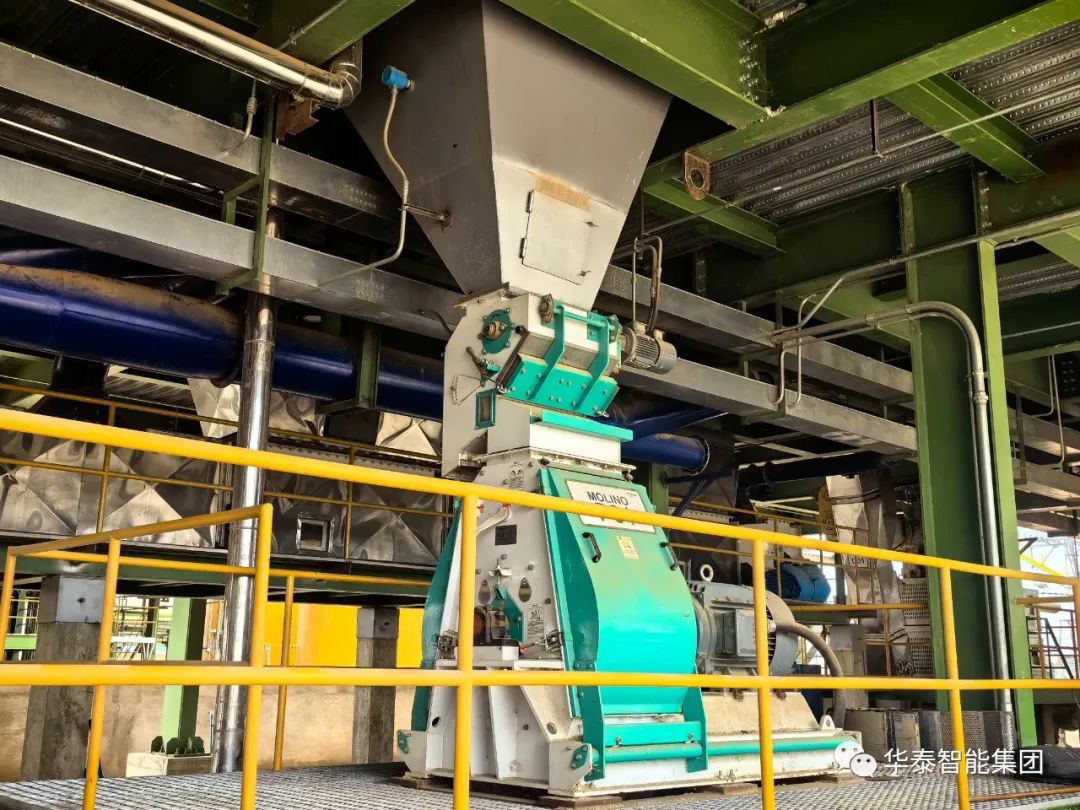
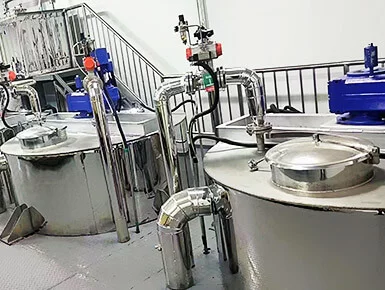
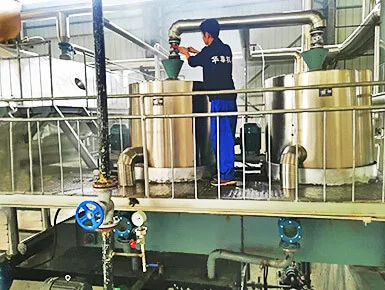
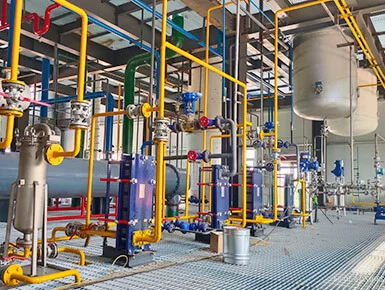
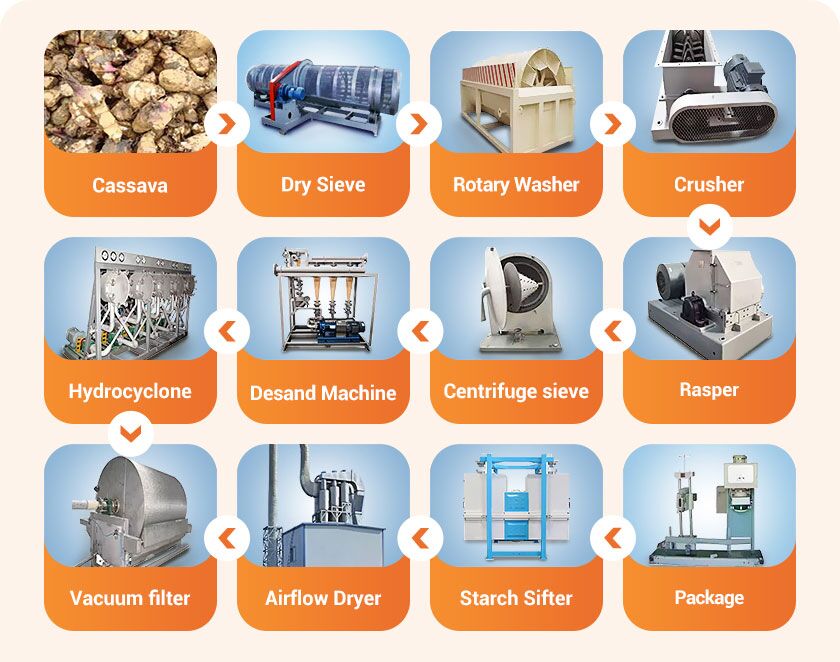
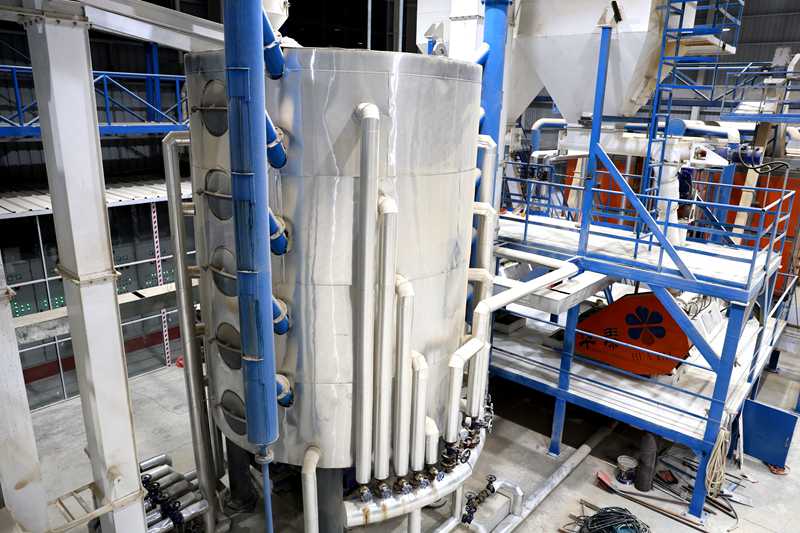
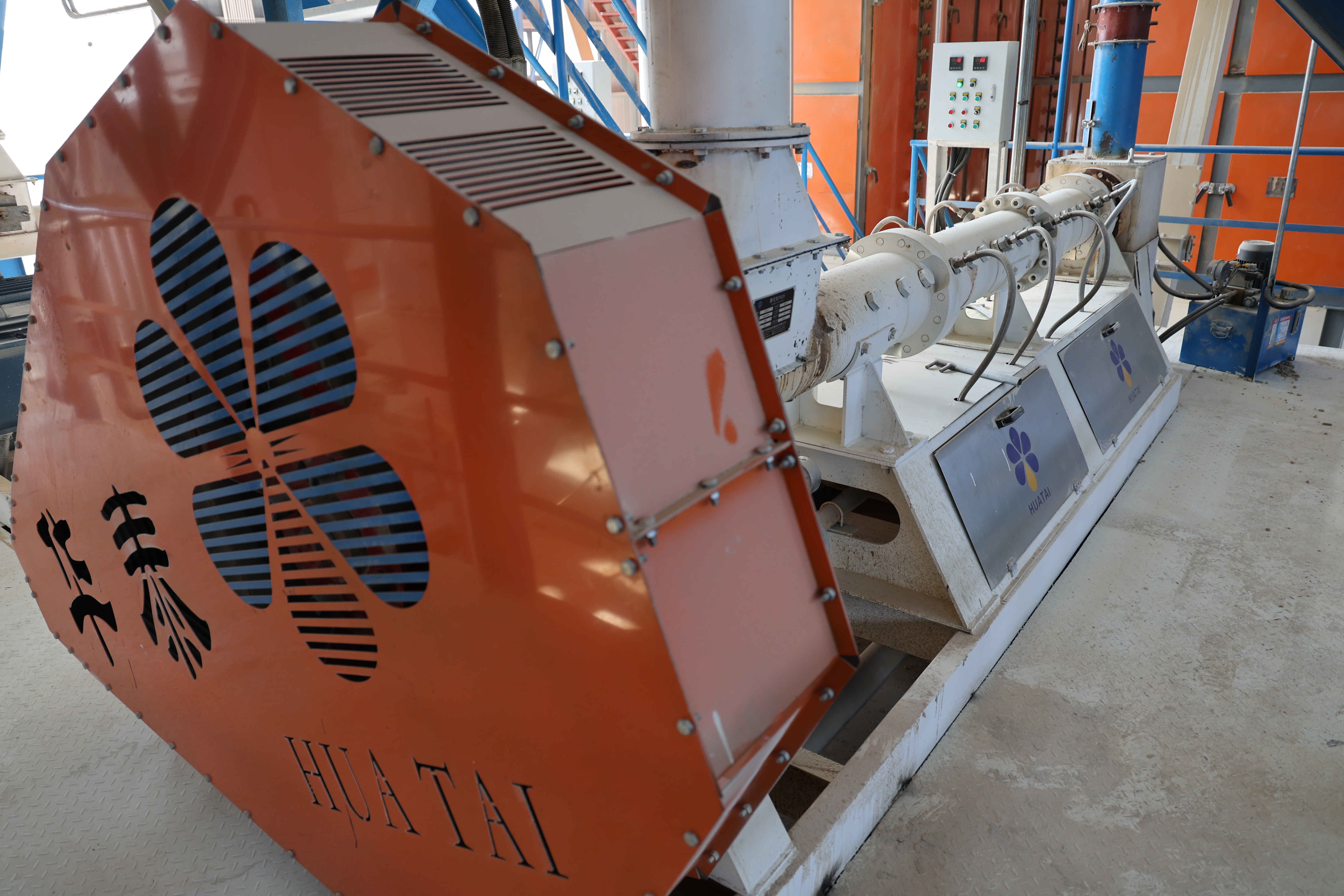
Equipment configuration directly impacts processing efficiency and product quality. Small-scale workshops may opt for basic machinery, while medium-to-large-scale plants should invest in automated production lines. These systems—covering washing, crushing, separation, dewatering, and drying—streamline operations; higher levels of automation mean fewer personnel are required and production capacity remains more consistent.
Labor Costs: Automation Levels Dictate Human Resource Expenses
In a typical rural township, a worker’s daily wage is approximately 80–120 RMB. Small-scale workshops relying on manual labor require 3–5 workers, whereas medium-to-large plants utilizing automated equipment can operate with just 2–3 staff members. Although the initial investment in equipment is higher, it significantly reduces labor costs over the long term.
Water and Power: The "Lifeline" of Production
Starch processing is water-intensive; therefore, it is essential to assess whether the water supply is sufficient and meets quality standards. Additionally, systems for drainage, purification, and water recycling must be carefully planned. Regarding power, a three-phase electrical supply is a fundamental requirement to ensure the stable operation of the equipment.


的hi品安全(可重置-封面_副本.jpg)