Large-scale
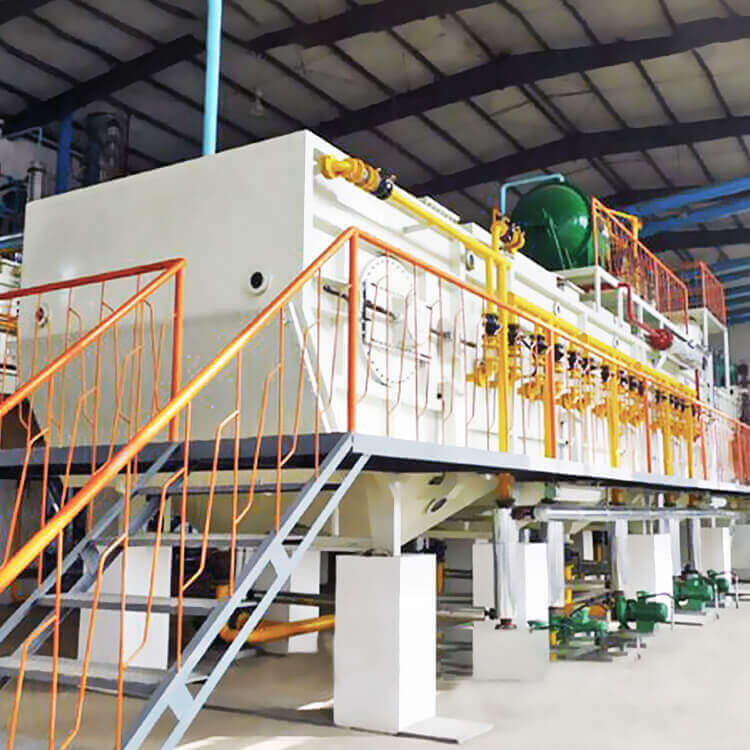
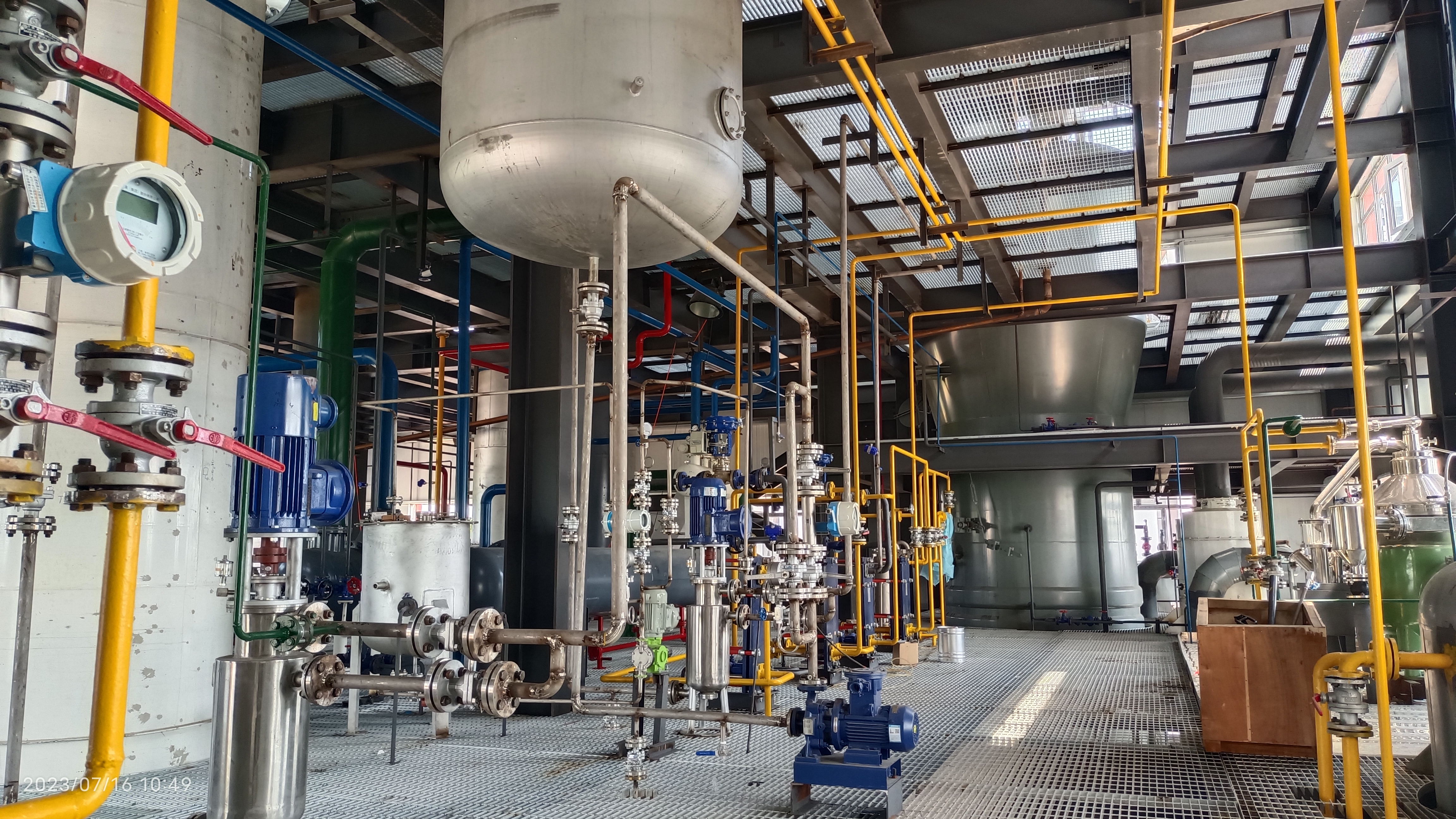
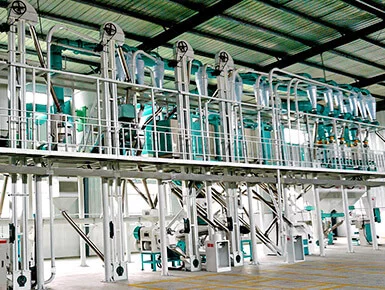
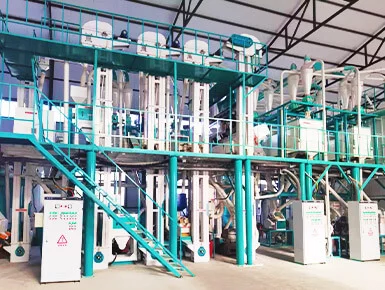
potato starch production relies on automated equipment for continuous operation. The core process involves separating starch from impurities such as fiber and protein in potatoes through multiple meticulous steps, ultimately yielding high-purity dry starch. The specific process is standardized and efficient, with the following steps: Raw Material Conveying and Multiple Washing Steps: First, potatoes are weighed on a weighbridge and then conveyed to the workshop via a hydraulic chute. During conveying, surface mud and sand are initially washed away. Next, they pass through a destoner to remove hard impurities such as stones, followed by a secondary washing machine (such as a cage-type machine) that thoroughly removes surface dirt and residual debris through rotational friction and water rinsing. Wastewater generated during washing flows into a sedimentation tank to filter impurities; some of the treated water can be recycled. Floating impurities such as leaves and twigs are also separated by a screen.
Grinding and Crushing to Release Starch Steps: The washed potatoes are fed into a grinding mill via an adjustable-speed unloading screw. This specially designed equipment efficiently grinds potato chunks into a fine potato paste, breaking down the potato cell structure as much as possible and releasing free starch particles. To improve starch extraction rates, some production lines dewater the coarse residue after the initial grinding and then perform a secondary grinding to avoid starch residue. However, the degree of grinding is controlled to prevent excessively fine residue from increasing the difficulty of subsequent separation.
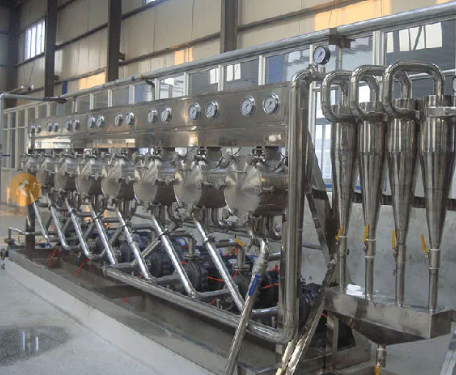
Sand Removal and Fiber Separation: The ground potato slurry is first pumped by a screw pump into a sand removal hydrocyclone. Centrifugal force separates high-density impurities such as sand particles, preventing wear on subsequent equipment and starch contamination. The slurry then enters an extraction unit consisting of three conical rotary centrifugal screens, where countercurrent washing separates the fiber from the slurry stage by stage. The separated fiber is sent to a potato residue dewatering screen for further dewatering, and can then be dried for use as feed.
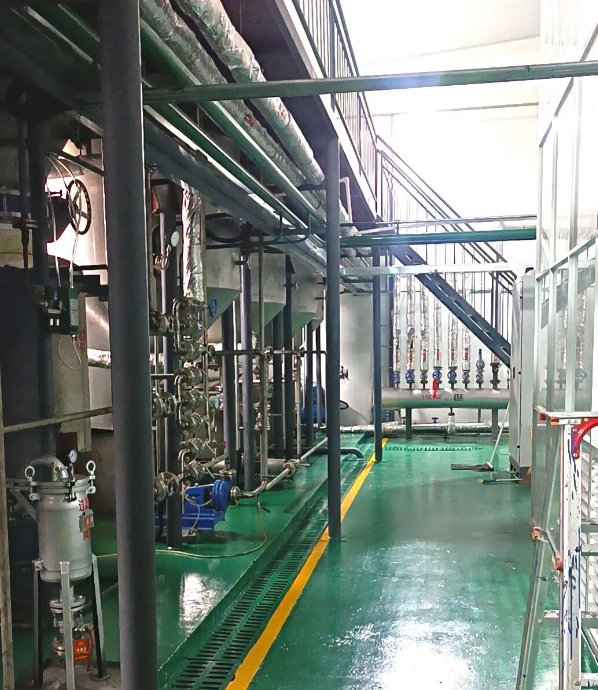
Multi-stage Cyclone Refining and Purification: The starch slurry after fiber separation enters a 16-stage concentrated cyclone washing unit for deep refining. Process water is pumped in from one end of the cyclone station, forming a countercurrent washing process with the starch slurry. First, the starch milk is concentrated in a cyclone concentrator, then enters a 13-stage washing unit to remove impurities such as proteins and soluble sugars. Overflowing cell sap enters a recovery cyclone station to recover any remaining starch, preventing waste. After this process, the purity of the starch milk is significantly improved, and all indicators meet production standards.
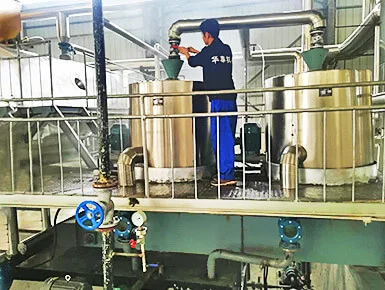
Vacuum Dehydration Reduces Moisture Content: The refined starch milk has excessive moisture content and needs to be processed in a vacuum dehydrator. A vacuum pump creates negative pressure inside the dehydrator drum, causing the starch milk to be adsorbed onto the drum surface to form a filter cake. The filtrate is then extracted and recovered. The dehydrated wet starch has a moisture content of approximately 40%, is in block form, facilitating subsequent drying processes. This equipment can automatically feed, dehydrate, and wash, making it suitable for large-scale continuous production.
Airflow Drying and Cooling Sieving: The wet starch is conveyed into an airflow dryer. Using a high-speed hot airflow generated by a steam heat exchanger, the wet starch is suspended in the hot airflow, rapidly evaporating moisture in a short time. After drying, the starch is carried by airflow into a cyclone separator for gas-solid separation, and then conveyed by a screw conveyor to a vibrating screen to remove coarse particles and impurities. Because the starch is at a high temperature after drying, it needs to be temporarily stored in a silo for cooling to prevent affecting its viscosity.
Finished Product Packaging and Warehousing: The cooled and screened pure starch is then packaged in semi-automatic or fully automatic packaging machines according to standard specifications such as 25 kg. After packaging, the finished starch must be promptly stored in a well-ventilated warehouse, with proper moisture-proof and fire-proof measures to ensure the starch's storage quality.
Huatai Group's starch machinery makes processing simpler. Huatai Machinery handles the entire process from cleaning to packaging, Quote now!