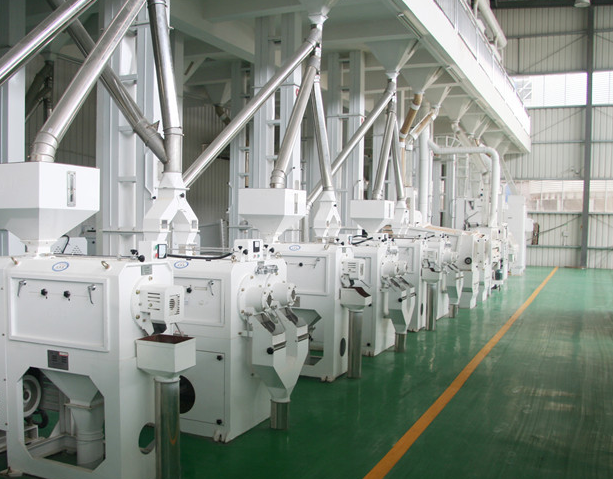
The
rice milling project is a systematic project integrating equipment selection, plant planning, process design, cost control, and compliance acceptance. Its core is to build a production line with suitable capacity, focusing on "high-efficiency rice milling, low broken rice rate, and high finished product rate." A customized solution needs to be developed based on the project scale (small workshop/medium-sized processing plant/large-scale industrial project) and local raw material characteristics (rice variety, moisture content). The following are the key points of the entire process:
I. Project Pre-planning (Core Direction)
Clear Capacity and PositioningSmall Projects (Daily Processing Capacity 5-20 tons of Paddy Rice): Suitable for township workshops, primarily processing local rice and supplying surrounding markets. Preferred choice is a combined rice milling machine (hulling + whitening + grading integrated).
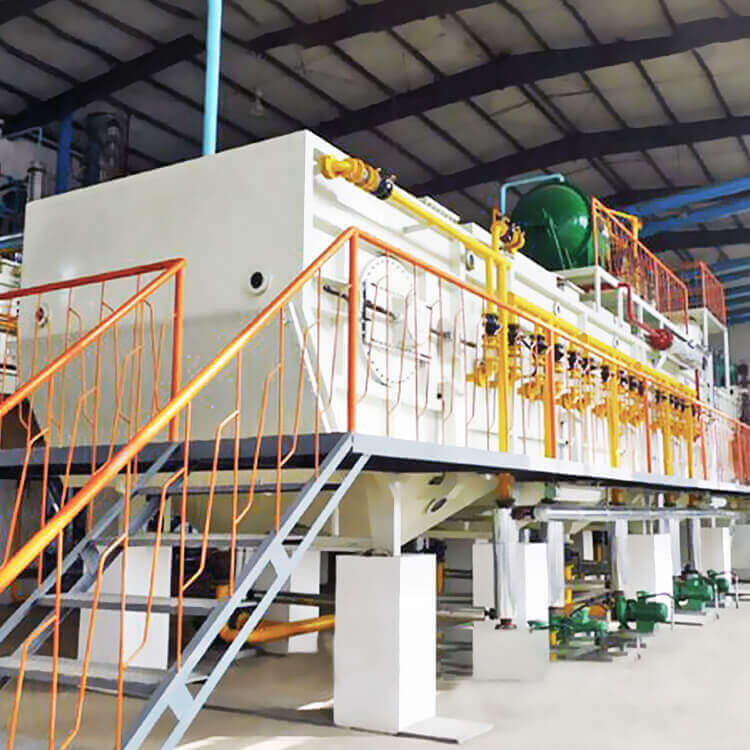
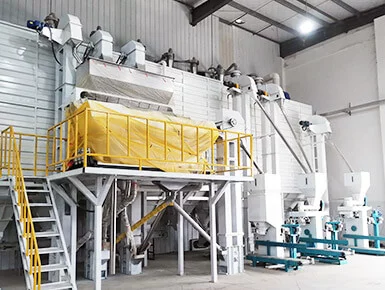
Medium Projects (Daily Processing Capacity 50-100 tons): Targeting county/city markets, requiring a complete rice milling production line (cleaning → hulling → whitening → polishing → color sorting → packaging).
Large Projects (Daily Processing Capacity 200 tons of Paddy Rice) (For rice mills of 1 ton or more): Industrialization requires supporting facilities such as drying, storage, and by-product processing (rice bran oil extraction, rice husk power generation), connecting with supermarkets/food companies.
II. Core Processes and Equipment Selection (Core Engineering)
1.
Standardized Rice Milling Process Flow: Cleaning (Impurity Removal → Stone Removal → Magnetic Separation) → Hulling → Paddy Rice Separation → Whitening (1-3 stages) → Polishing → Color Sorting → Grading → Packaging
Key Points: The cleaning stage must remove sand, straw, and metal impurities from the rice (to avoid damaging the milling rollers); the number of whitening stages depends on the grade of the finished rice (Grade 1 rice requires 2-3 whitening stages, with broken rice rate controlled within 5%).
2.
Equipment Selection Principles (Adaptability + Cost-Effectiveness)
Equipment Type | Small Project | Medium/Large Project | Core Parameter Requirements
Cleaning Equipment | Small Combined Cleaning Screen | Complete Gravity Destoner + Magnetic Separator | Impurity Removal Rate ≥98%, Destoning Rate ≥99%
Hulling Machine | Rubber Roller Hulling Machine (Small) | Pneumatic Hulling Machine | Dehulling Rate ≥95%, Bristle/Broken Rice Rate ≤1%
Rice Milling Machine | Iron Roller/Sand Roller Combined Rice Milling Machine | Air-jet Rice Milling Machine (Multi-stage) | Finished Rice Bran Content ≤0.1%, Broken Rice Rate ≤8%
Color Sorter | Small Color Sorter (Optional) | CCD Intelligent Color Sorter | Discolored Particle Removal Rate ≥99%
Packaging Machine | Semi-Automatic Weighing and Packaging Machine | Fully Automatic Quantitative Packaging Machine | Measurement Error ≤±0.2%
Selection Notes: Prioritize energy-saving equipment (such as variable frequency rice milling machines, reducing energy consumption) 15%-20%; In areas with high rice moisture content, drying equipment is required (to control the moisture content to 13%-14% and reduce broken rice rate).
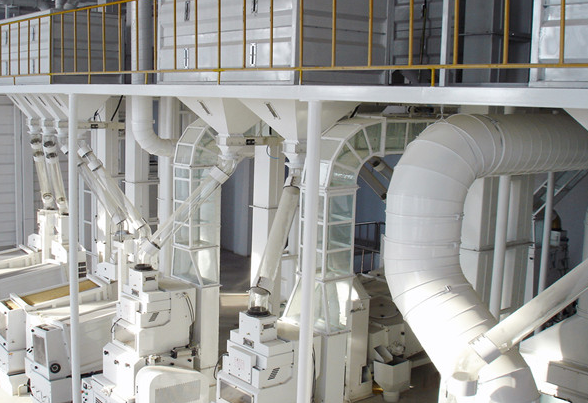
III. Plant and Supporting Engineering Design
Plant Layout (Designed according to process flow to avoid overlap)
Area: Small projects approximately 100-200㎡, medium-sized approximately 500-1000㎡, large ≥2000㎡;
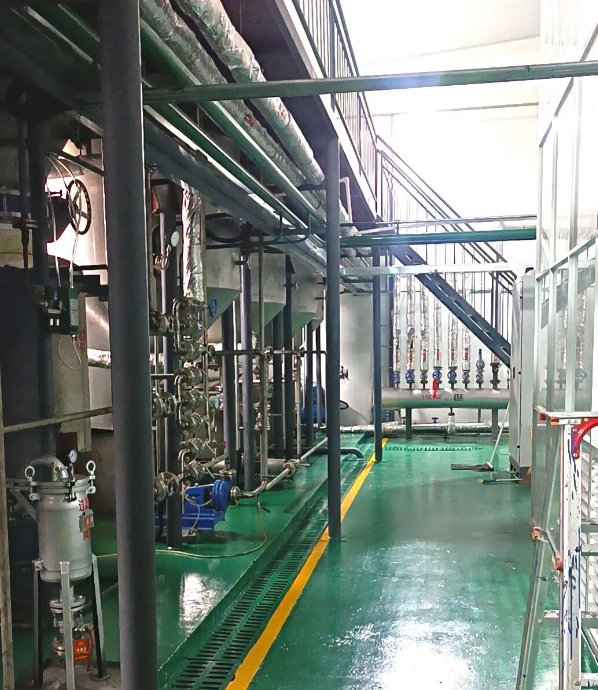
Ceiling Height: ≥4.5m (for easy installation of dust removal and ventilation equipment), floor treated with anti-slip and wear-resistant finish;
Zoning: Raw material warehouse, processing area, finished product warehouse, and by-product area are independently set up, with reserved space for equipment maintenance in the processing area.
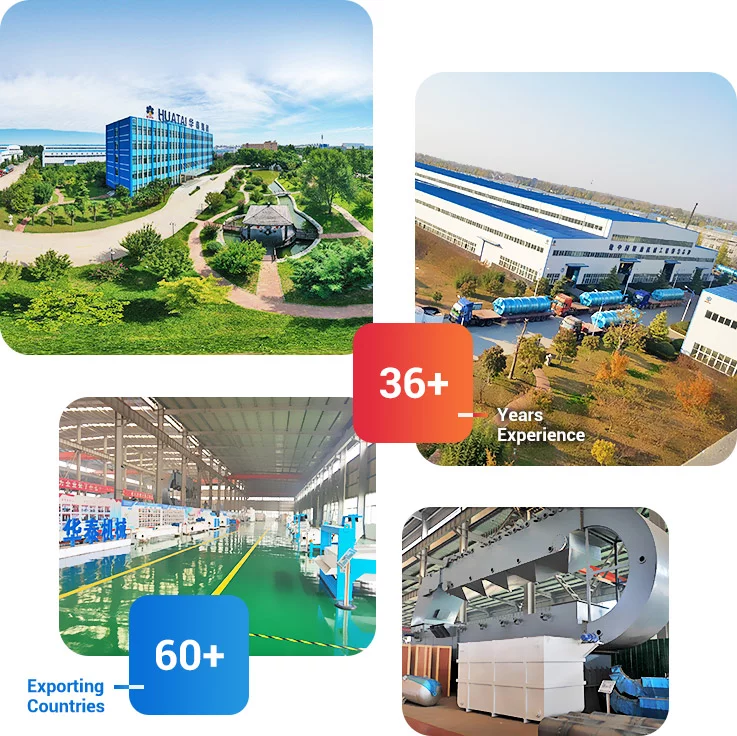
Hutai Group is a leading provider of engineering, procurement, and construction (EPC) solutions for the
Rice Mill Machinery Equipment, Rice Mill Plant Project. Full turnkey management of the project from cost projections and modelling to installation and commissioning.