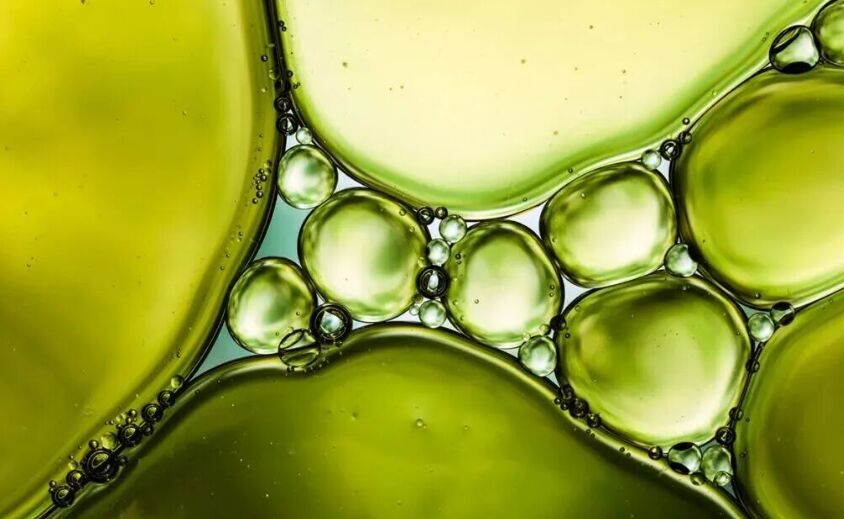
 Solvent extraction
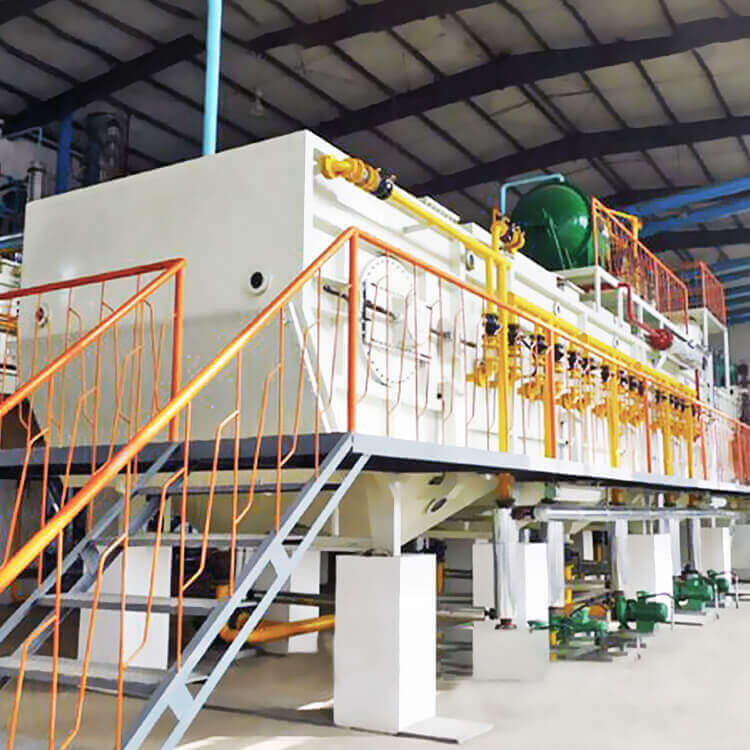
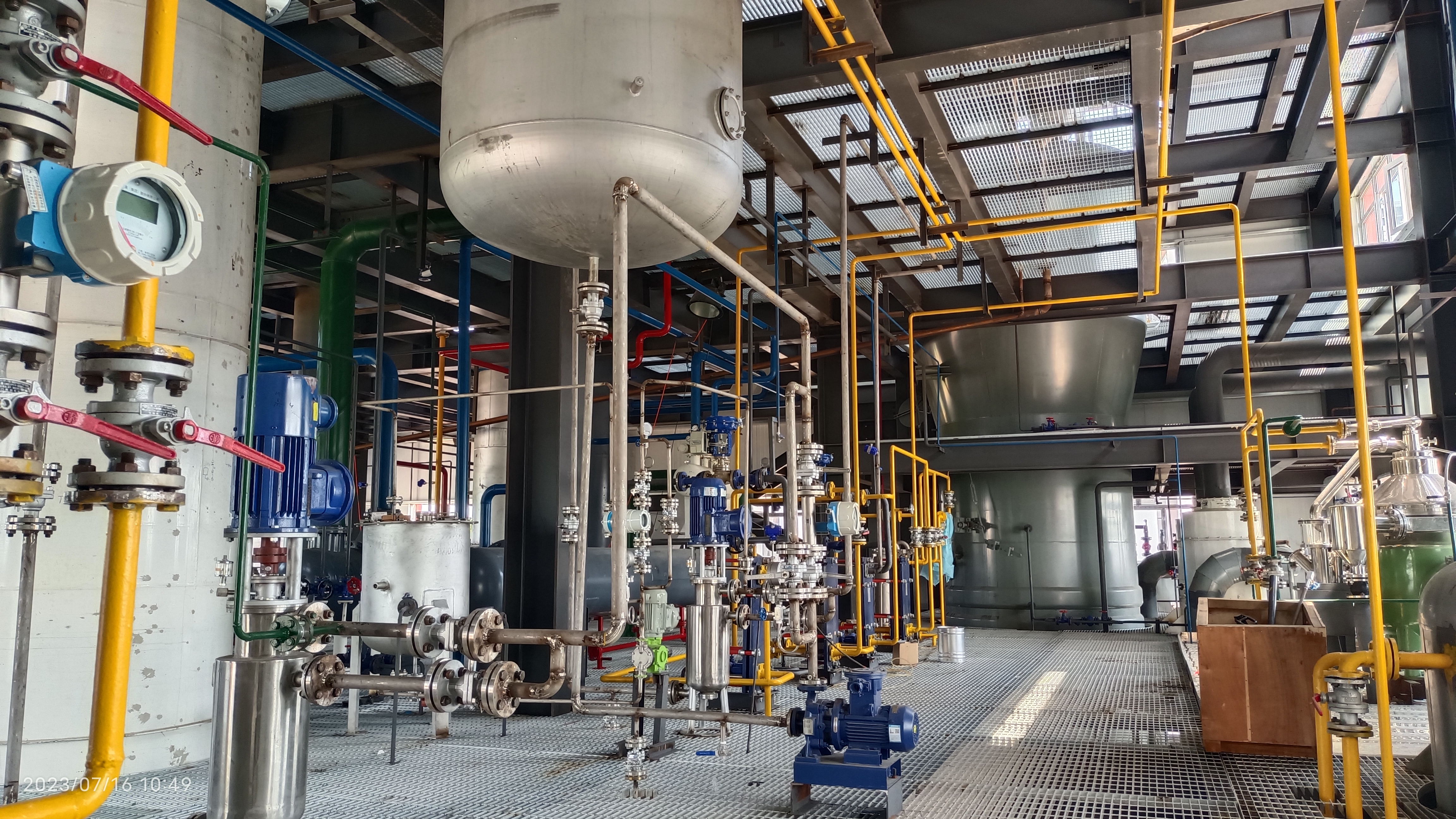
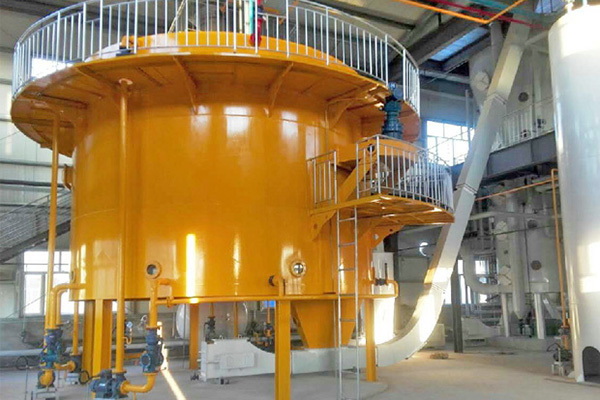
 is the primary extraction method in the oilseed (such as soybean) oil production industry and the most commonly used oil extraction method globally. More than 80% of the world's oils are obtained through solvent extraction. Most large solvent extraction plants use hexane as a solvent to dissolve and separate the chemical components in oilseeds, separating them into liquid fats and solid proteins—both essential raw materials for the food industry and numerous other market sectors—through a physical method without any chemical reactions.
Hexane is the primary solvent used to extract edible and industrial vegetable oils from the world's five major commercial oilseeds (soybeans, rapeseed, sunflower seeds, cottonseed, and peanuts).
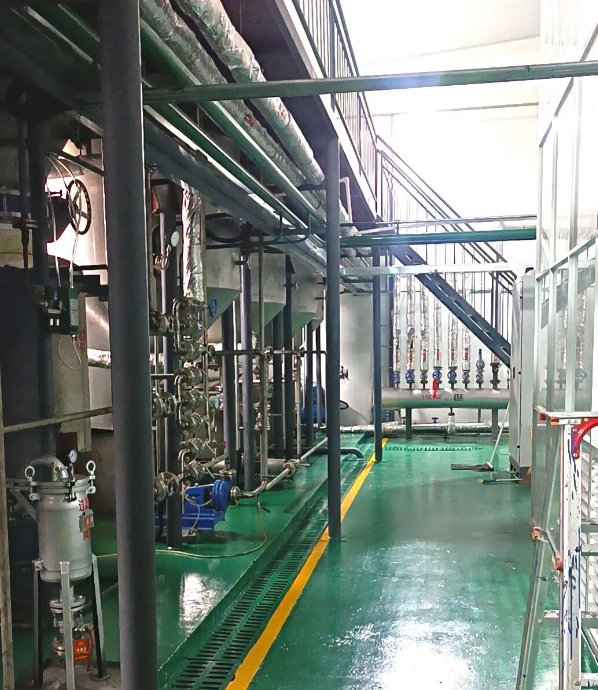
In the hexane extraction process, soybeans or other oilseeds are cleaned, crushed, cooked, and dried to form flake seed material, which is then soaked in hexane in the solvent extraction plant. Proper pretreatment helps to break down oil-containing cells, increasing the surface area of the seed stock and allowing the solvent to penetrate fully, thereby extracting more oil. During the extraction process, hexane flows through the flake soybeans or puffed soybean stock, rapidly dissolving the oil in the solid seed material. Hexane leaching produces two byproducts: a mixture of oil and hexane, called miscella, containing approximately 25-35% oil; and a remaining solid with a hexane concentration of 25-30%. Both byproducts require further heating and processing to recover as much hexane as possible. The defatted cake is fed into a solvent-free baking machine and heated to a level that allows hexane to evaporate without destroying other nutrients. Simultaneously, the miscella is steam-heated and distilled to vaporize the hexane, which is then recovered and condensed for reuse; the oil is further refined, decolorized, and deodorized.
Why is hexane used in oil extraction?
Processors use hexane as a solvent in leaching for several reasons, primarily the principle of "like dissolves like." Like oil, hexane is a nonpolar hydrophobic compound, meaning it does not mix with water and therefore works synergistically well during leaching. Processors generally prefer hexane as an extraction solvent because it possesses excellent physical properties. Its high evaporation rate and low boiling point make it ideal for solvent extraction processes. It is liquid at room temperature, easy to handle at almost any temperature, and has a boiling point of only 69 degrees Celsius (approximately 156 degrees Fahrenheit). Hexane evaporates rapidly, thus enabling oil extraction with low energy consumption. It maximizes oil recovery. Solvent extraction is the most efficient method for oil extraction, keeping residual oil in soybean meal below 1%. For large-capacity processors looking to extract every last bit of profit from their operations, solvent extraction offers economies of scale. Since solvent extraction is best suited for large plants with daily processing capacities of 500 to 1000 tons or more, the additional oil extraction rate advantage of solvent extraction quickly becomes apparent compared to
mechanical pressing plants with daily processing capacities of only 100 tons and residual oil levels as high as 6%. It maintains product quality. Hexane is a selective agent, meaning it selectively extracts fat from seed feed without destroying other nutrients, fiber, or protein content. This preserves the dietary nutrients produced as a byproduct of hexane extraction.
Mechanical Pressing
Mechanical extraction is favored by organic enthusiasts because it meets the demands of the organic market. Traditional mechanical pressing (screw press, hydraulic press, or even beater press) extracts oil from oilseeds through physical means without contact with any chemicals, producing chemical-free pressed soybean meal and high-quality soybean oil. Both mechanical oil extraction and hexane extraction have their place in the oilseed market, meeting the specific needs of various industries, from organic food and biofuels to hundreds of other edible and industrial applications. Choosing the appropriate oil extraction method depends on the type of oilseed you are processing and the end market you are serving.
Choose Huatai Group
Engineering Experience: Hundreds of EPC (Engineering, Procurement, and Construction) projects in oil mills, covering all oilseeds including soybeans, peanuts, rice bran, flaxseed, and palm oil, from small 10-ton plants to large-scale intelligent production lines.
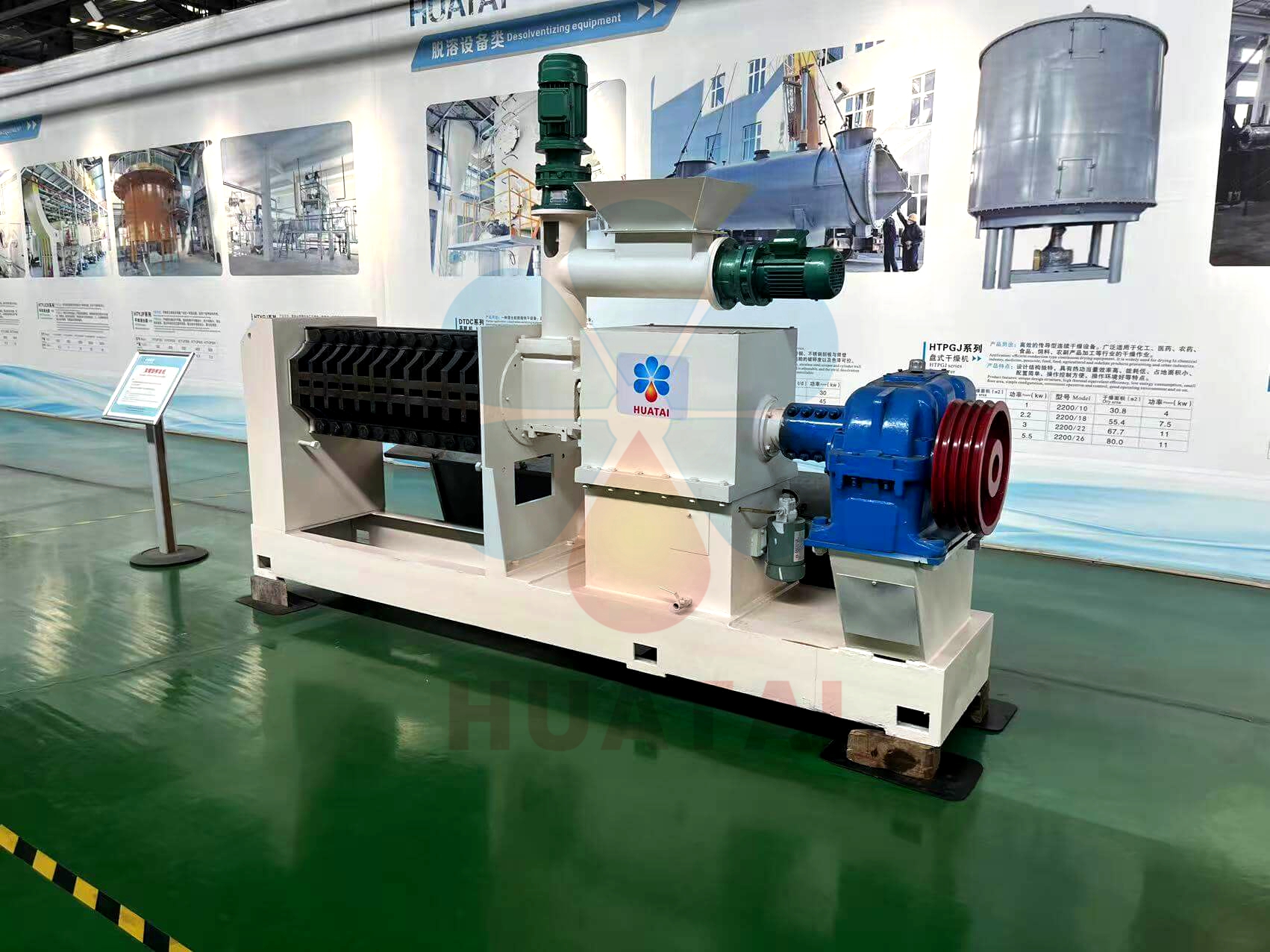 Pressing
: Self-developed screw oil press, oil yield +15%–20%; two-stage pressing with a daily processing capacity of 50 tons, suitable for large-scale production; Full-chain technology coverage: Self-developed entire process from pretreatment → pressing →
Solvent extraction → refining → fractionation → protein/biodiesel, with no technical shortcomings, and can be customized with differentiated solutions.