 Source of wax
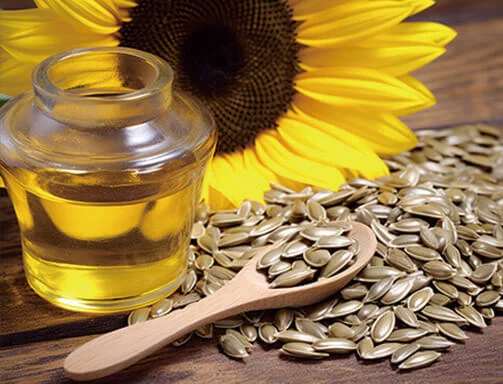
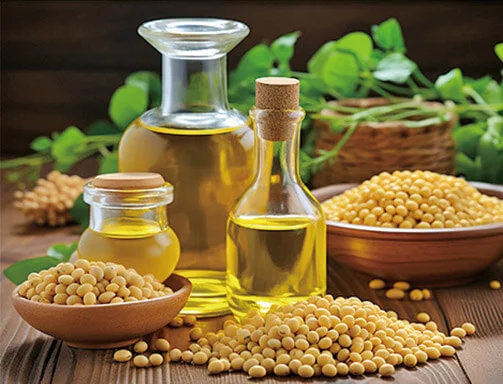
: The sunflower seed hull (seed coat); wax dissolves into the crude oil during pressing or solvent extraction. Sunflower oil contains approximately 0.06–0.2% wax, whereas soybean and rapeseed oils have very low wax content and generally do not require dewaxing.
Wax itself is non-toxic and edible but difficult for the human body to digest; it dissolves in oil at temperatures above 40°C but precipitates as crystals when the temperature drops.
Failure to dewax leads to four key issues
Cloudiness and white flocculent sediment at low temperatures (primary issue)
In cold weather, during winter transport, or in refrigerated supermarket displays, the oil becomes cloudy and wax crystals precipitate at the bottom of the bottle; consumers may mistake this for spoilage and reject the product.
Export standards require a "cold test": the oil must remain clear and transparent at 0°C for 5.5 hours; without dewaxing, it fails this test and cannot be exported.
Deteriorated mouthfeel
Wax imparts an astringent taste and a waxy texture, creating a heavy, unpleasant mouthfeel that affects the oil's flavor profile.
Accelerated oxidation and shortened shelf life
Tiny wax crystals act as nucleation sites for oxidation, accelerating rancidity and reducing shelf life.
Mandatory national standards
Finished sunflower oil is required to be clear and transparent at 20°C; oil that has not been dewaxed fails to meet these specifications and cannot be sold as a commercial product.
Comparison with rice bran oil: Rice bran oil contains 1–5% wax, making dewaxing even more critical; while sunflower oil has a lower wax content, dewaxing remains an essential step for commercial retail and export.

Basic principles of dewaxing (winterization)
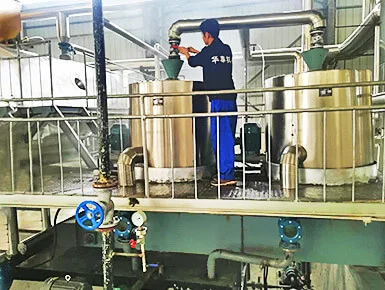
After refining, the oil is slowly cooled to 5–10°C and stirred at low speed for 6–8 hours to allow for crystal growth (maturation), enabling tiny wax particles to form larger crystals; the wax is then separated out via filtration.
Key point: Cooling must not be too rapid. Rapid cooling produces fine, fragmented micro-crystals that pass through the filter, resulting in failed dewaxing—a common pitfall for factories. Special Case: Scenarios Where Dewaxing Can Be Omitted
For small-scale traditional oil presses or workshop-produced oil intended solely for personal use—rather than commercial sale or export—dewaxing may be skipped. While the oil may become cloudy in cold weather, this is a normal physical phenomenon and does not indicate spoilage.
Clarification of Terms
• Dewaxing (Winterization): Removes high-melting-point waxes to prevent cloudiness at low temperatures.
• Degumming, deacidification, bleaching, and deodorization: Standard refining steps that precede dewaxing; dewaxing is performed after deodorization.