Advantages of oilseed extrusion include: higher bulk density, a 30% increase in processing capacity, suitability for physical refining, a pleasant aroma in the meal, and a 10%–20% reduction in total costs.
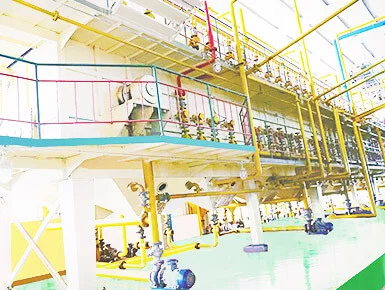
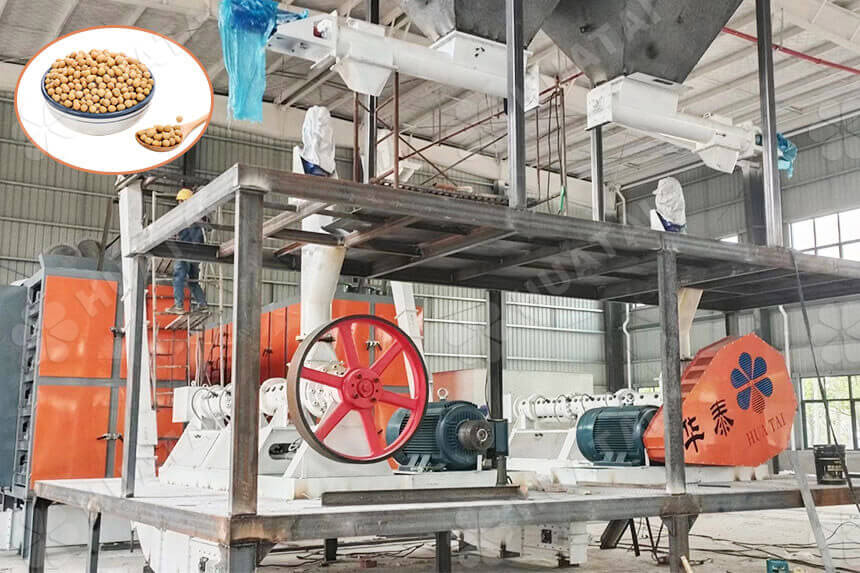
Extrusion is not merely "heating"; it is a functional hydrothermal treatment. The raw material (in powder or flaked form) enters the extruder, where it is first conditioned with water and steam. Inside the barrel, the material is subjected to compression, kneading, and shearing by a screw; mechanical energy is converted into heat, bringing the material to a semi-molten state. As it is forced through the die plate, the pressure drops abruptly from several megapascals to atmospheric pressure. The moisture within the material flashes into vapor instantly, "puffing" the material into porous granules.
The resulting product is known as "cooked flakes" (or "expanded flakes")—characterized by ruptured cell walls, inactivated enzymes, denatured proteins, and a stabilized physical structure.
Common Extruded Oilseeds
Soybeans: Cleaning → Cracking → Conditioning → Flaking → Extrusion → Cooling → Solvent Extraction. Soybeans should be cracked into 4–6 pieces; conditioning must ensure the material becomes pliable, and care should be taken to prevent soybean hulls from being rolled into the flakes.
Cottonseed: Cleaning → Dehulling and Kernel-Hull Separation → Conditioning → Flaking → Extrusion → Cooling → Solvent Extraction. If the hulls are not removed thoroughly, it will be impossible to achieve optimal bulk density or low residual oil levels in the meal.
Rice Bran: Cleaning → Conditioning → Flaking → Extrusion → Cooling → Solvent Extraction. While no cracking or dehulling is required, timing is critical—the bran must enter the extruder within 3 hours of being produced; a delay of even one hour will cause the acid value to rise.
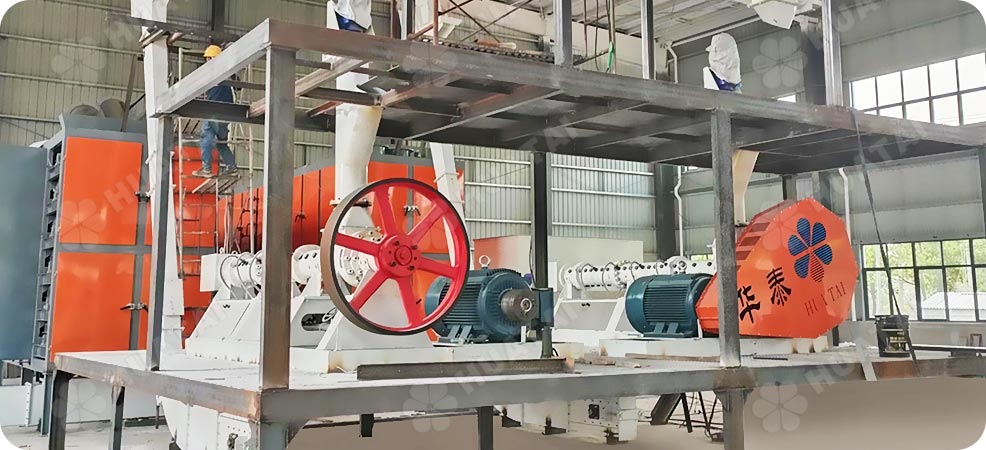
Advantages
Higher bulk density, increased porosity, and lower residual oil in the meal. This is a valid claim—and arguably the most significant benefit. Extruded material has a bulk density of 400–520 g/L. The increased porosity allows the solvent to penetrate the material through its internal pores rather than merely seeping in from the surface. However, this depends on the bulk density falling precisely within that range: if it is too low, the material becomes overly fragile and crumbles into powder upon entering the extractor; if it is too high, no pores are formed, rendering it no different from material processed via traditional steaming and roasting. Point 2: A 30% increase in production capacity. Take this claim with a grain of salt. This "capacity increase" isn't simply a matter of "machines running faster"; rather, it stems from two combined factors: higher bulk density (allowing more material to be loaded into the same extractor) and more uniform particle size (enabling the material bed height to be increased by 20%–40%). Therefore, the actual capacity gain is proportional to the increase in bed height—it is not a fixed 30%. Furthermore, the entire downstream system—including the extractor, cooler, conveying equipment, and drainage section—must be capable of handling the increased throughput. If you only upgrade the expander while leaving the rest of the line as is, you will not achieve that 30% gain.
Lower levels of non-hydratable phospholipids, making the material better suited for physical refining. This is the most valuable benefit, yet it is also the most frequently misunderstood. The hydrothermal treatment during expansion makes phospholipids easier to hydrate and remove; after degumming, residual phosphorus levels can be reduced to below 10 ppm—the essential prerequisite for physical refining. However, meeting this prerequisite doesn't guarantee success: if the degumming stage is inadequate and residual phosphorus levels remain high, physical refining still cannot be implemented. When evaluating the system, look at the actual residual phosphorus levels and refining yield—don't just take the claim "suitable for physical refining" at face value.
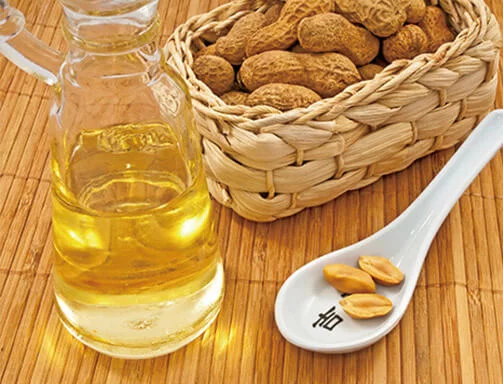
Expansion technology is well-suited for soybeans (direct solvent extraction), rice bran, and cottonseed kernels. For high-oil-content materials (such as peanuts or sesame seeds, which contain over 45% oil), the material tends to slip within the expander, causing oil to be squeezed out prematurely; for these, traditional pressing or pre-pressing methods remain the better choice. Additionally, avoid this technology if your business model relies on selling the oilcake (meal) in a specific physical form, as the expansion process destroys the cake structure, significantly reducing its market value. Finally, do not adopt this technology if your production capacity is consistently underutilized; an idling expander consumes more electricity than a conventional cooker-conditioner.