Edible oil processing projects require a shift from procuring individual machines to achieving integrated, full-line coordination. When building new facilities, expanding production capacity, or upgrading equipment, companies must simultaneously address raw material handling, oil extraction, refining and purification, equipment integration, and long-term operation and maintenance. Relying solely on the procurement of individual units can lead to significant project management challenges, such as disjointed processes, mismatched equipment capacities, and fragmented responsibilities during installation and commissioning. This case study focuses on the planning of complete edible oil processing lines—a solution tailored for edible oil enterprises, agricultural cooperatives, and other clients looking to construct or upgrade their edible oil processing operations. Huatai Group offers comprehensive capabilities in the R&D, manufacturing, sales, and engineering services of grain and oil machinery, providing everything from individual units and complete production lines to full-scope EPC (Engineering, Procurement, and Construction) solutions.
How can full-line coordination be achieved—from raw material pretreatment to the final refined oil?
The core of an edible oil processing line lies not merely in selecting oil presses, extraction equipment, or refining machinery; it requires the establishment of a cohesive process flow tailored to the specific type of oilseed, target production capacity, product requirements, and site conditions.
During the project planning phase, key information must be established, including
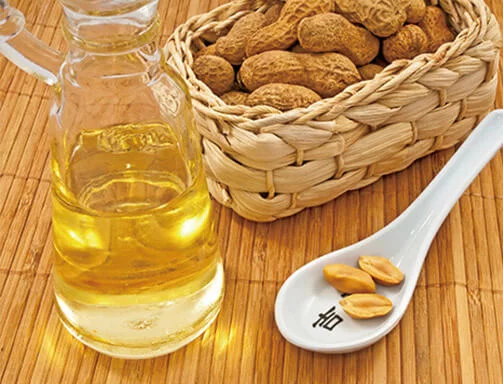
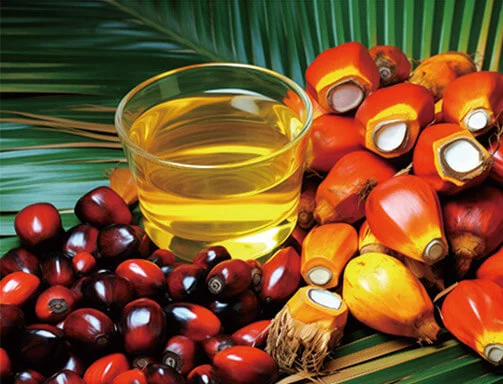
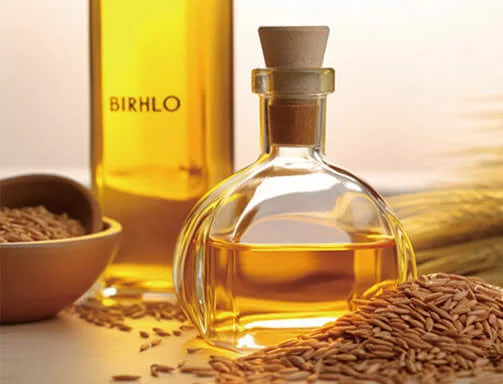
1. Type of Oilseed: Different oilseeds have distinct process requirements for cleaning, crushing, conditioning, pressing, or extraction.
2. Target Production Capacity: The processing capacities across the pretreatment, extraction, and refining stages must be aligned to ensure a balanced system.
3. Product Strategy: An enterprise may choose to produce only crude oil, or it may opt for further processing, such as refining, dewaxing, fractionation, or the deep processing of proteins or phospholipids.
4. Project Stage: New construction projects focus on facility layout and overall line planning, whereas expansion or renovation projects require a careful assessment of existing equipment and its integration into the new process.
5. Site Conditions: Factors such as available space, facility structure, utility infrastructure, and logistics all influence equipment layout and project execution.
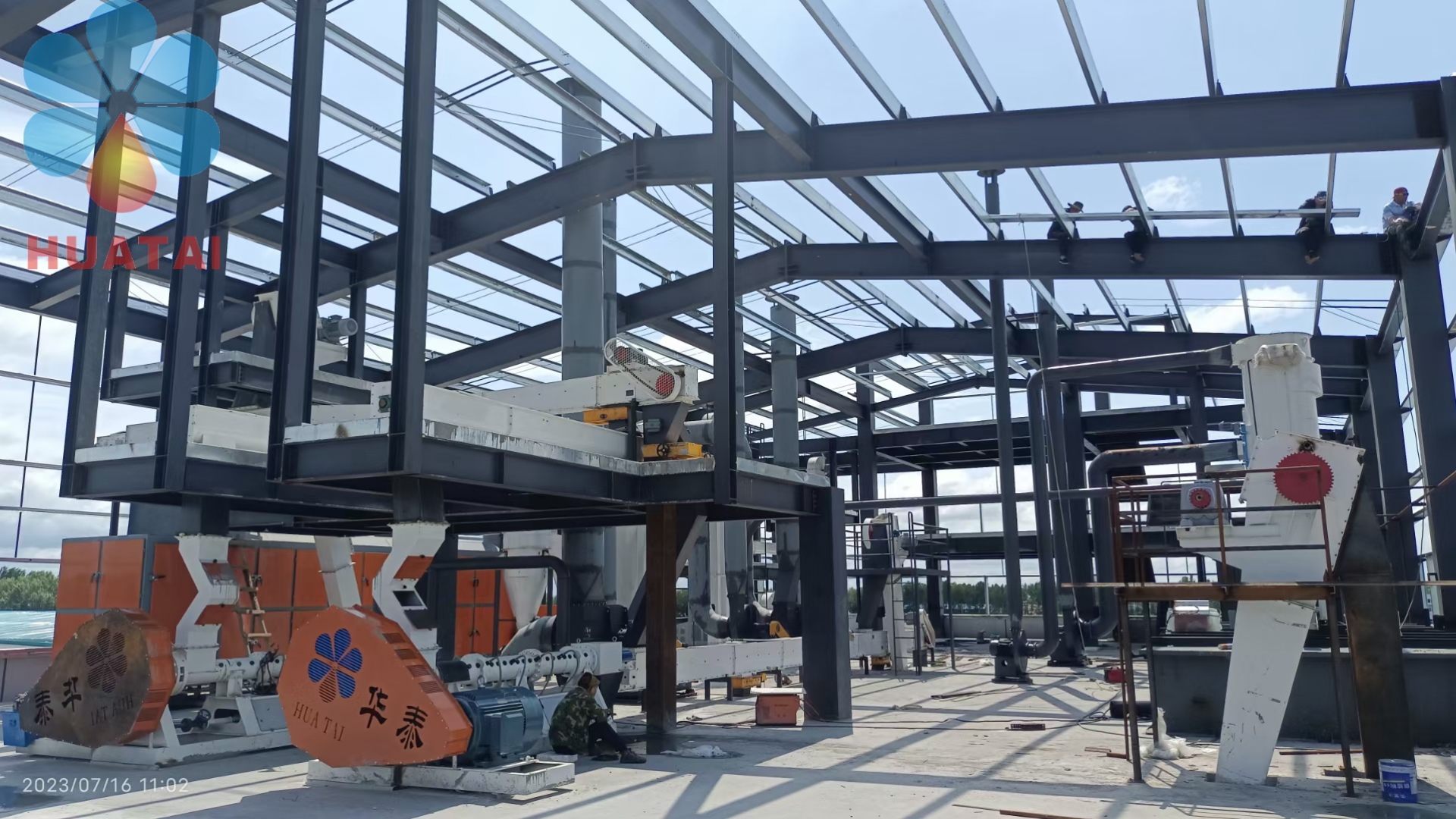
Solution: Configuring Edible Oil Processing Equipment Based on Process Planning
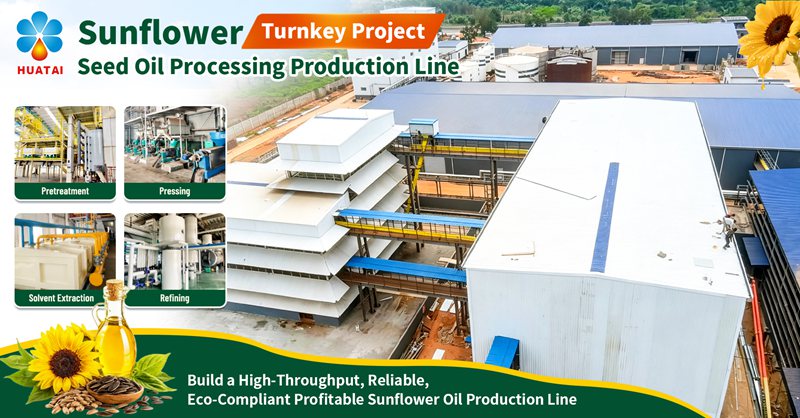
Huatai Group’s solutions for complete grain and oil processing lines follow a structured workflow: Process Design → Equipment Selection → Manufacturing and Delivery → Installation and Commissioning → Operation and Maintenance Support. 1. Raw Material
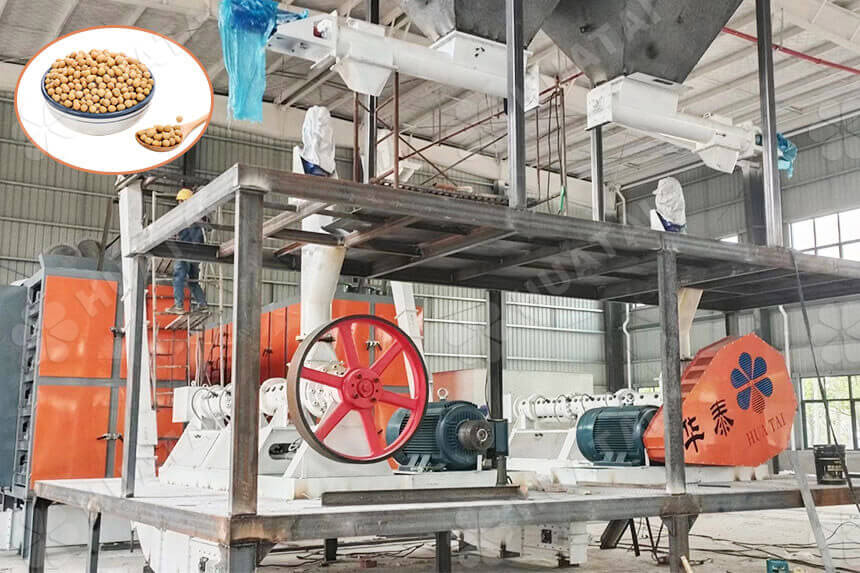
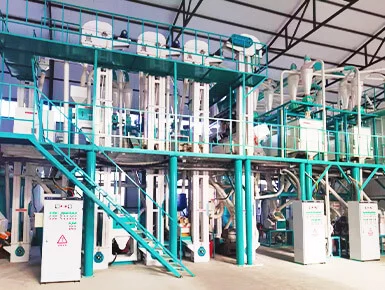
Pretreatment StagePretreatment equipment encompasses processes such as cleaning, crushing, and conditioning, ensuring a stable feed for subsequent pressing or solvent extraction. Equipment selection must account for the specific characteristics of the oilseeds, target production capacity, and downstream process requirements to ensure alignment between the pretreatment stage and subsequent processing equipment.
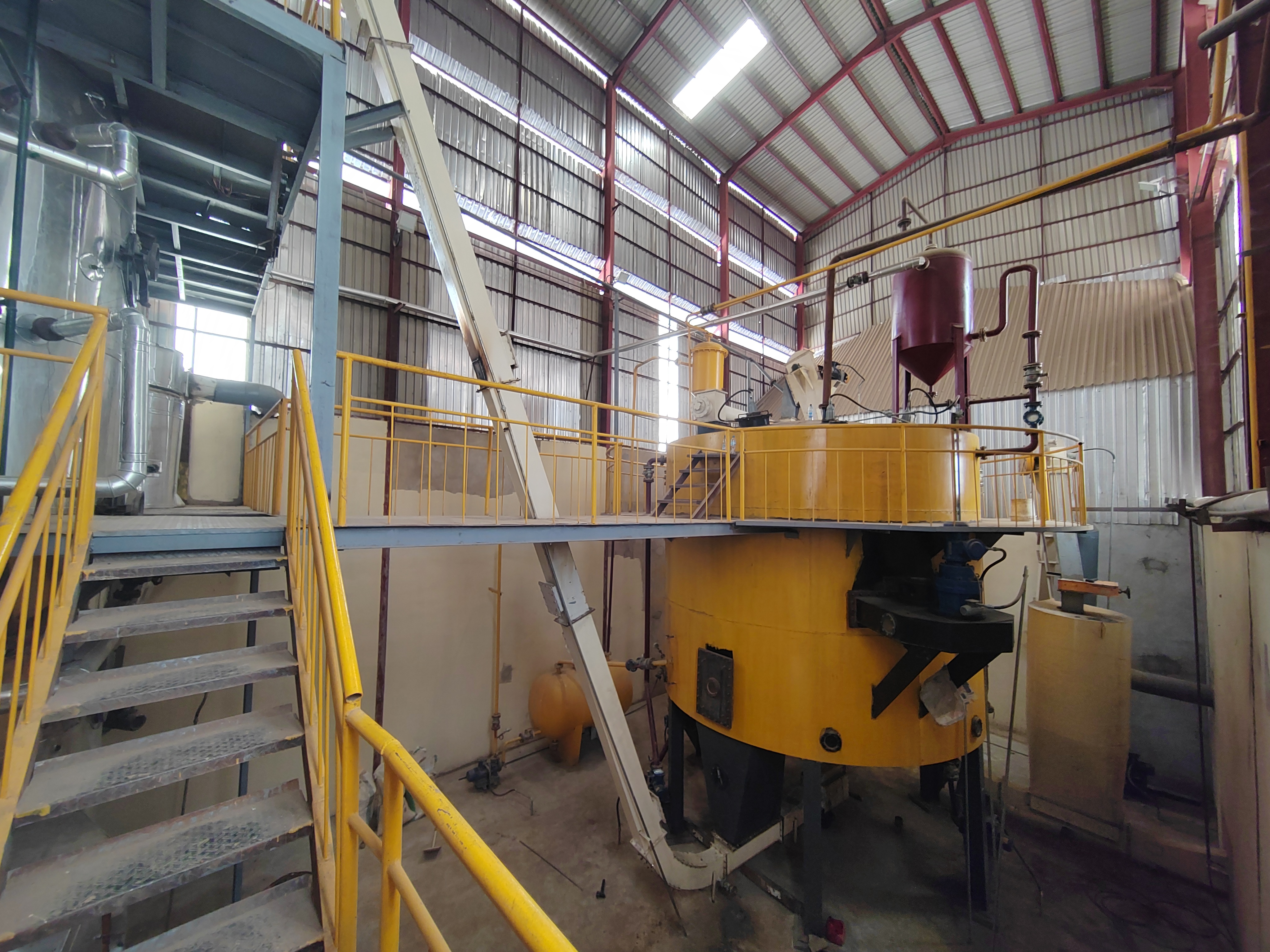
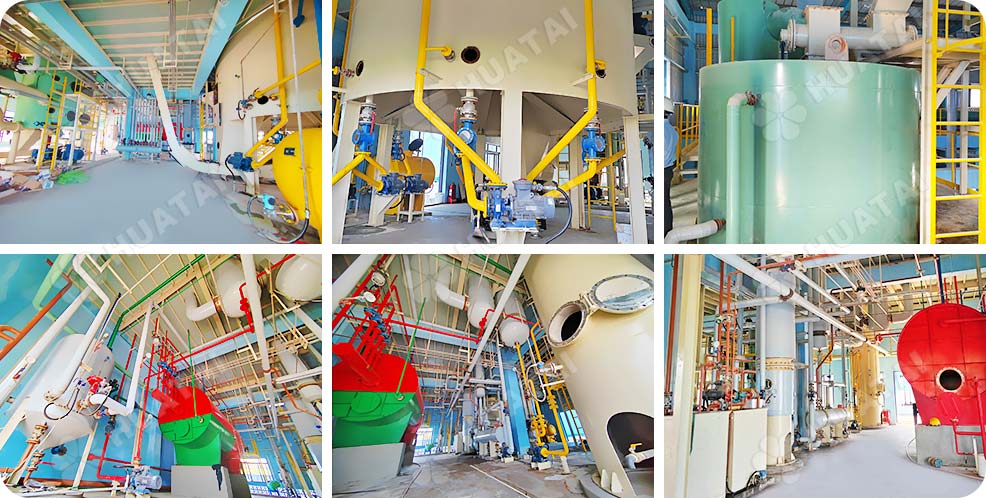
Oil Pressing and Solvent Extraction StageDepending on the chosen processing route, projects can be configured with oil presses or solvent extraction systems. Huatai Group offers complete equipment sets for pretreatment and extraction, with capacities ranging from 10 to 3,000 tons per day (T/D). Specific configurations are designed based on the type of oilseed, the production workflow, and project-specific conditions.
For the maintenance and replacement of components—such as oil pumps—enterprises should select parts based on equipment compatibility, operating conditions, and on-site requirements. This helps prevent installation or operational issues arising from mismatched components.
Oil Refining StageRefining production lines can be configured to include processes such as degumming, deacidification, bleaching, and deodorization. Complete oil refining systems are available with capacities ranging from 5–10 to 2,000 T/D. The final configuration is determined by the properties of the crude oil, target product standards, and existing process conditions.
Deep Processing and By-product UtilizationFor grain and oil processing enterprises looking to increase product value, additional equipment can be integrated—such as systems for dewaxing and fractionation, protein production, phospholipid extraction, high/low-temperature soybean meal processing, or botanical extraction—creating a comprehensive solution that spans from basic oil processing to advanced deep processing.
Project Delivery: Integrated Equipment Manufacturing and On-site Services
The delivery quality of a complete oil processing project depends not only on equipment manufacturing but also on the seamless coordination of installation, commissioning, and operational training.
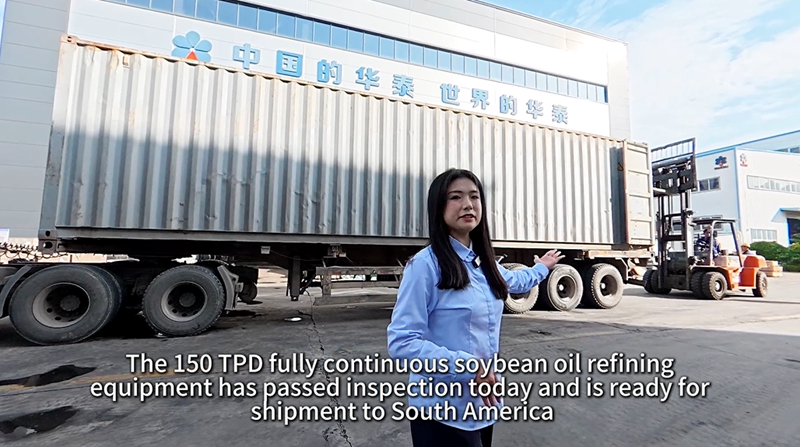
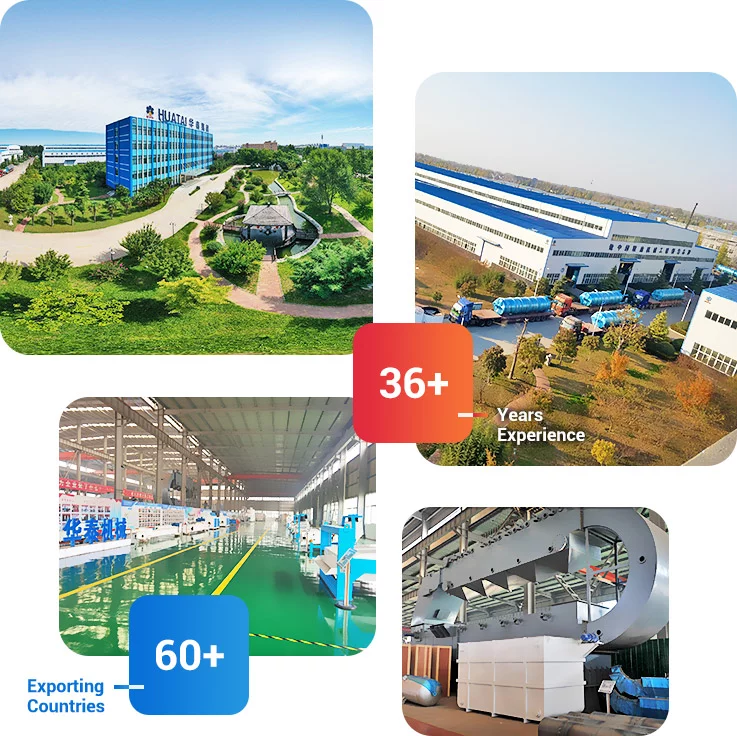
Huatai Group operates its own manufacturing facilities and employs a standardized production management system. The production workflow covers raw material inspection, cutting, welding, machining, component integration, and final quality inspection before shipment. The company implements quality control in accordance with the ISO9001 quality management system, conducting rigorous testing on core components—such as those for welding, sealing, power transmission, and temperature control—and performing full-unit trial runs on finished products prior to shipment.
During the project implementation phase, the company provides comprehensive services, including equipment delivery, on-site installation, unit commissioning, production guidance, and operator training. Furthermore, it ensures ongoing support for the equipment’s operational needs through online technical assistance, on-site process modifications, and equipment maintenance.