Large-scale
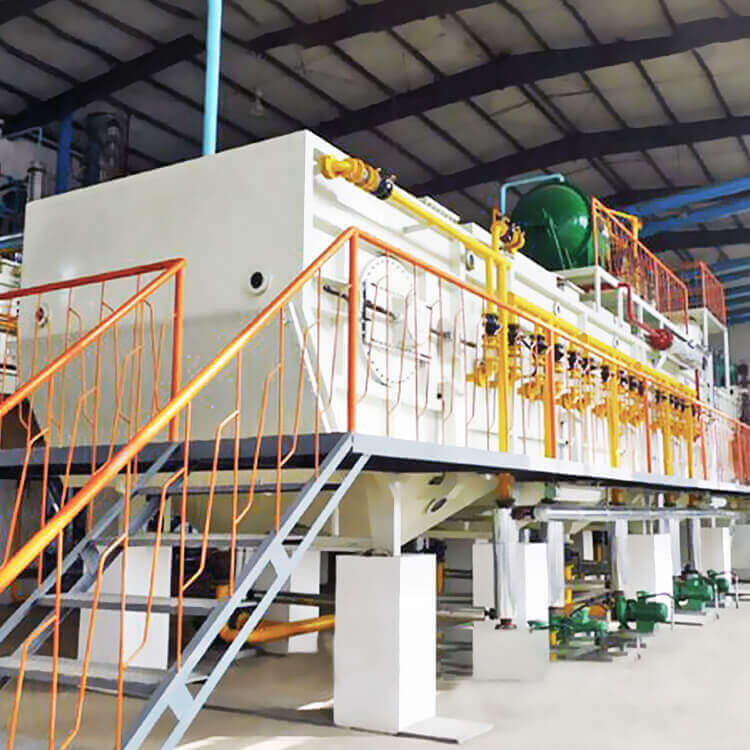
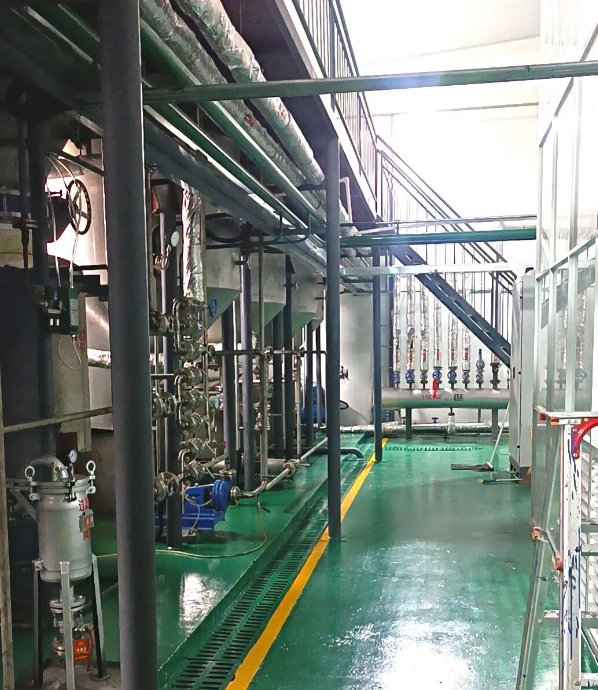
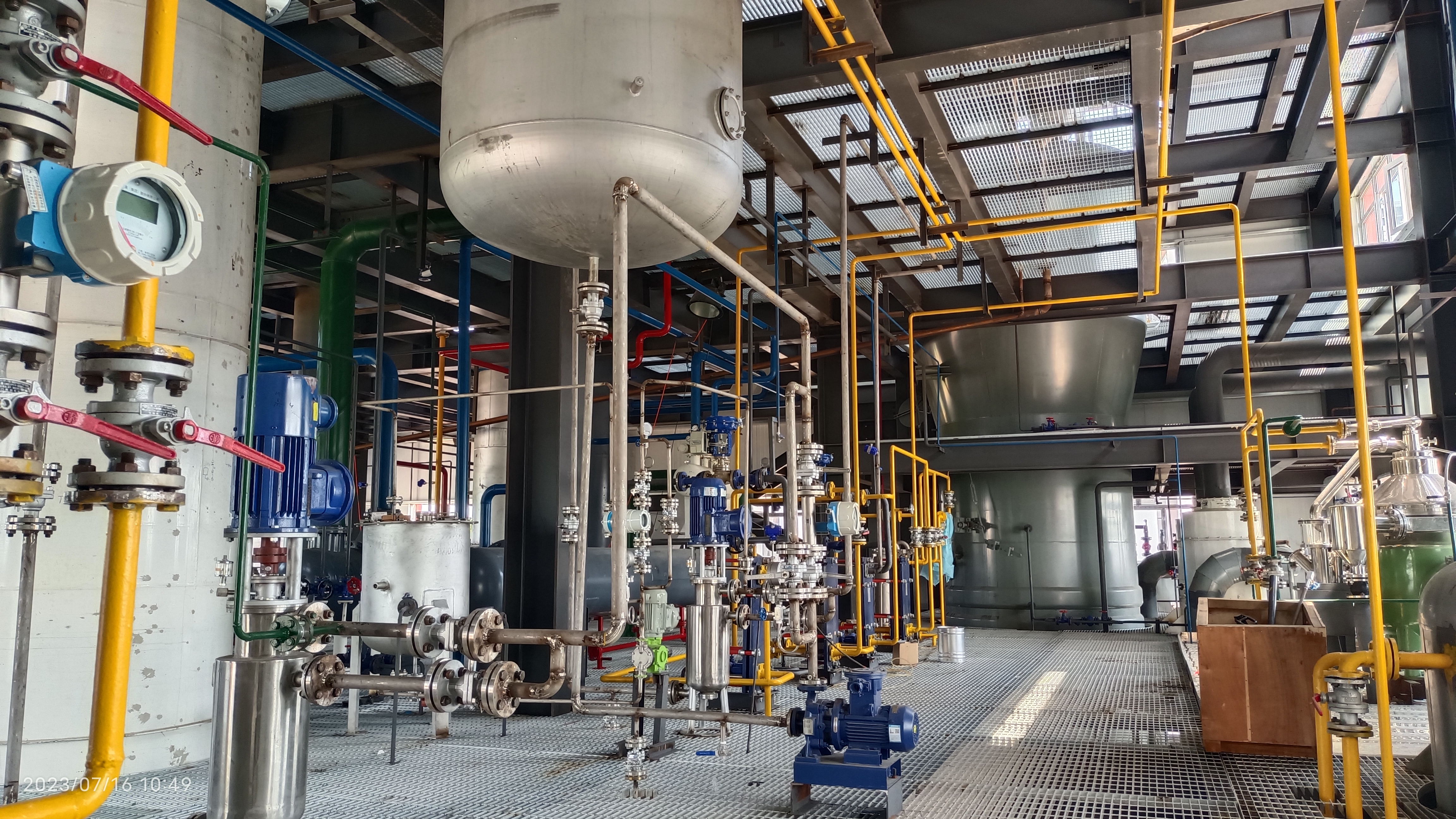
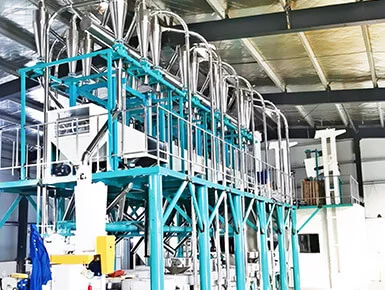
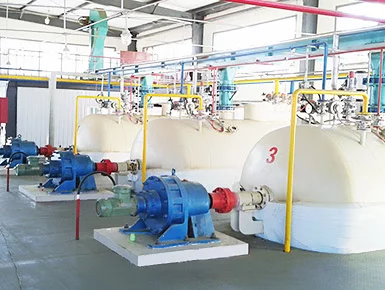
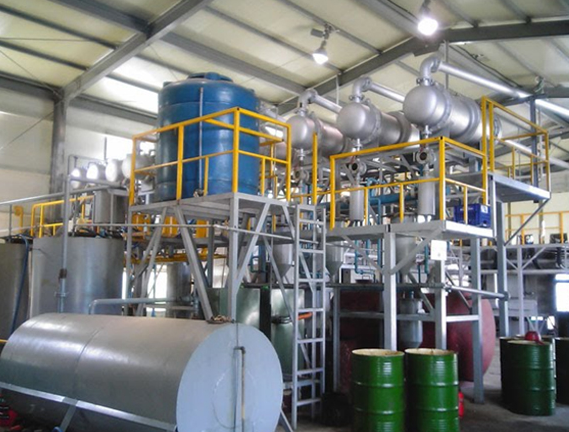
coconut oil pressing production lines (typically referring to those processing over 30 tons of dried copra/coconut flakes per day, expandable to 1000 tons) use dry pressing (the mainstream method) or solvent extraction as their core processes. They consist of four main modules: pretreatment, oil pressing/extraction, refining, and packaging, featuring continuous operation, high capacity, and low residual oil content. Core Process Flow and Technical Parameters: The mainstream method uses a "dry pressing + secondary pressing + refining" route. Solvent extraction is used for ultra-large-scale projects aiming for maximum oil yield.
Pretreatment | Washing → Crushing → Steaming → Rolling | Dried copra moisture content 7%-10%; crushed particle size 5-10mm; steaming temperature 110-115℃, time 20min, moisture reduced to 3%-5% | Destroys fat cells, reduces pressing resistance, and increases oil yield
Oil Pressing | Pre-pressing → Secondary Pressing | Pre-pressed residual oil 15%-20%; Residual oil after secondary pressing: 5%-8%; Residual oil after solvent extraction: <0.8% Maximizes oil extraction and reduces raw material waste.
Refining: Filtration → Degumming → Deacidification → Decolorization → Deodorization. Degumming temperature: 65℃; Deacidification alkali concentration: 10%-12%; Decolorization using activated clay: 2%-3%; Deodorization temperature: 220-240℃, vacuum 0.095MPa. Removes impurities, gums, and free fatty acids, improving oil stability and flavor.
Packaging: Metering → Filling → Labeling → Palletizing. Filling accuracy: ±0.5%; Finished product moisture content: <0.1%, acid value: ≤0.2mgKOH/g
Capacity and Cost-Effectiveness Reference
Capacity Range: Conventional large-scale line processes 30-200 tons of copra per day; ultra-large solvent extraction line can reach 1000 tons/day; Oil yield: 65%-70% (pressing method), solvent extraction can reach over 75%.
Investment and Operation
Equipment Investment: 30 tons/day line: approximately 2-3 million RMB; 100 tons/day line: approximately 8-12 million RMB (including automated control system).
Operating Costs: Raw materials account for 70%-80%; energy consumption (steam, electricity): approximately 50-80 RMB/ton of raw material; labor: 8-12 people/line (significantly affected by automation level).
Benefits: Based on 5000 RMB/ton for copra and 12000 RMB/ton for finished oil, a 30 tons/day line can generate an annual profit of approximately 3-5 million RMB, with a payback period of 2-3 years (depending on raw material costs and capacity utilization).
Key Points for Selection and Operation
Process Selection: For natural flavor and low input: choose pressing method (cold pressing ≤60℃, retains nutrients; hot pressing is more efficient). Large-scale projects with high oil yields:
Solvent extraction + solvent recovery system recommended (requires explosion-proof and environmental protection facilities).
The core competitiveness of large-scale coconut oil production lines lies in stable processes, durable equipment, and controllable energy consumption. Before investment, it is necessary to select a suitable process based on raw material supply (dried copra or fresh coconut meat), target capacity, and product positioning (food/industrial use), while ensuring environmental protection and safety compliance design to achieve long-term efficient operation.
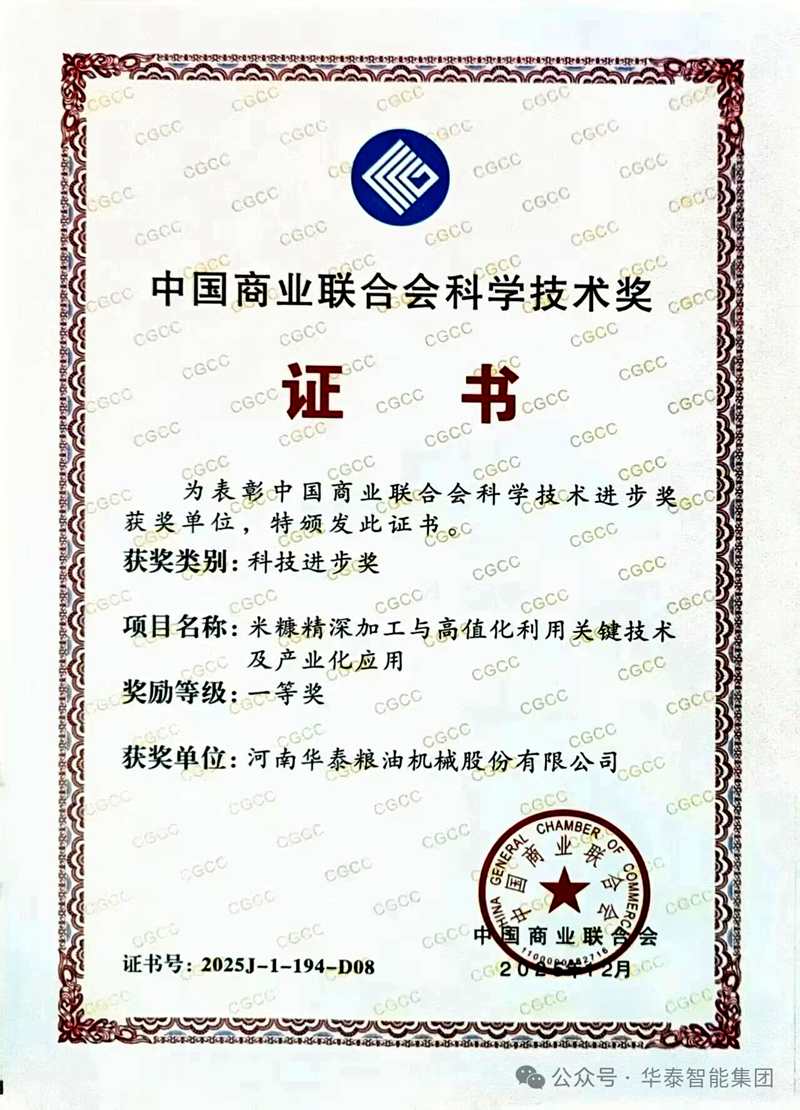
Professional Coconut Oil Production Line Manufacturer, choose Huatai Group.