 Subcritical essential oil extraction
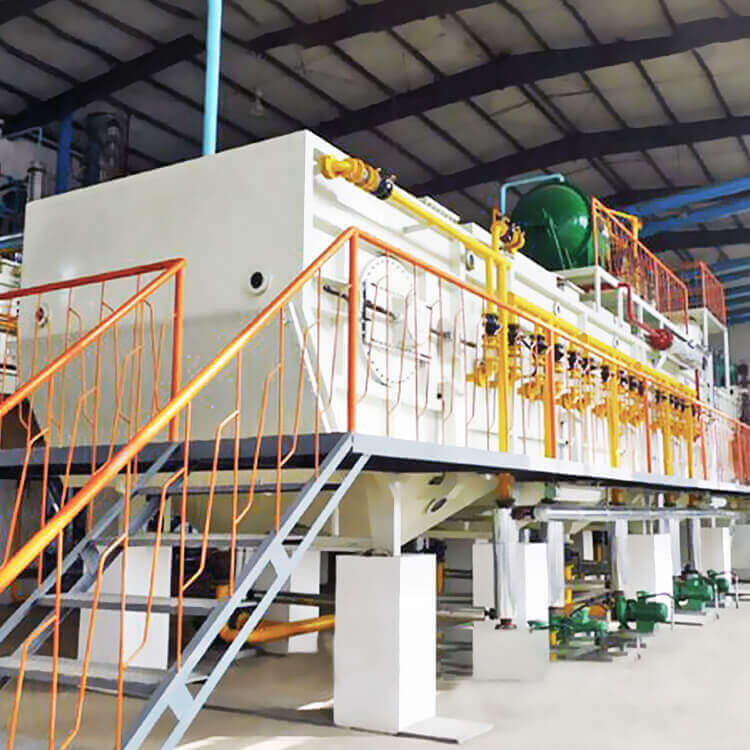
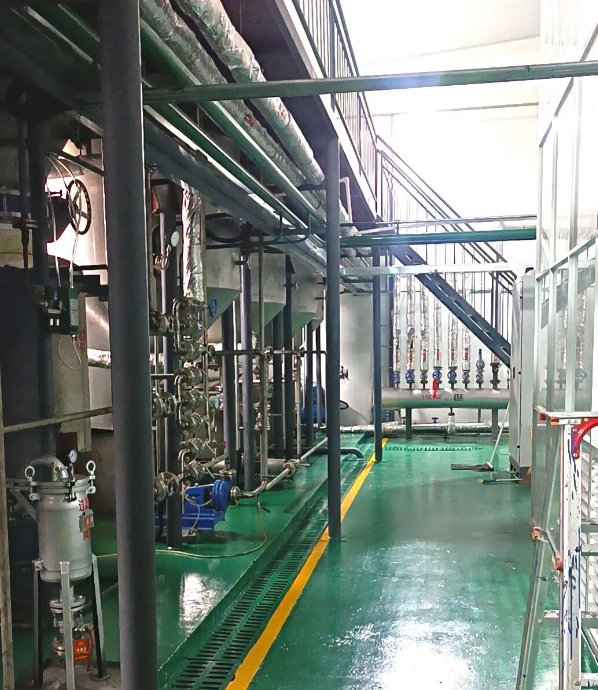
 is an advanced technique characterized by low temperatures, low pressures, and high fidelity. Its core principle involves using liquefied gases—such as butane or propane—to "dissolve" and extract aromatic oils from plants under mild conditions, thereby maximizing the preservation of their natural aromas and active constituents. I. Basic Principles (Simplified Explanation)
State: The solvent (butane, propane, R134a, etc.) transforms into a liquid state under pressure (subcritical state).
Temperature: 20–60°C (Low Temperature)
Pressure: 0.3–0.8 MPa (Low Pressure)
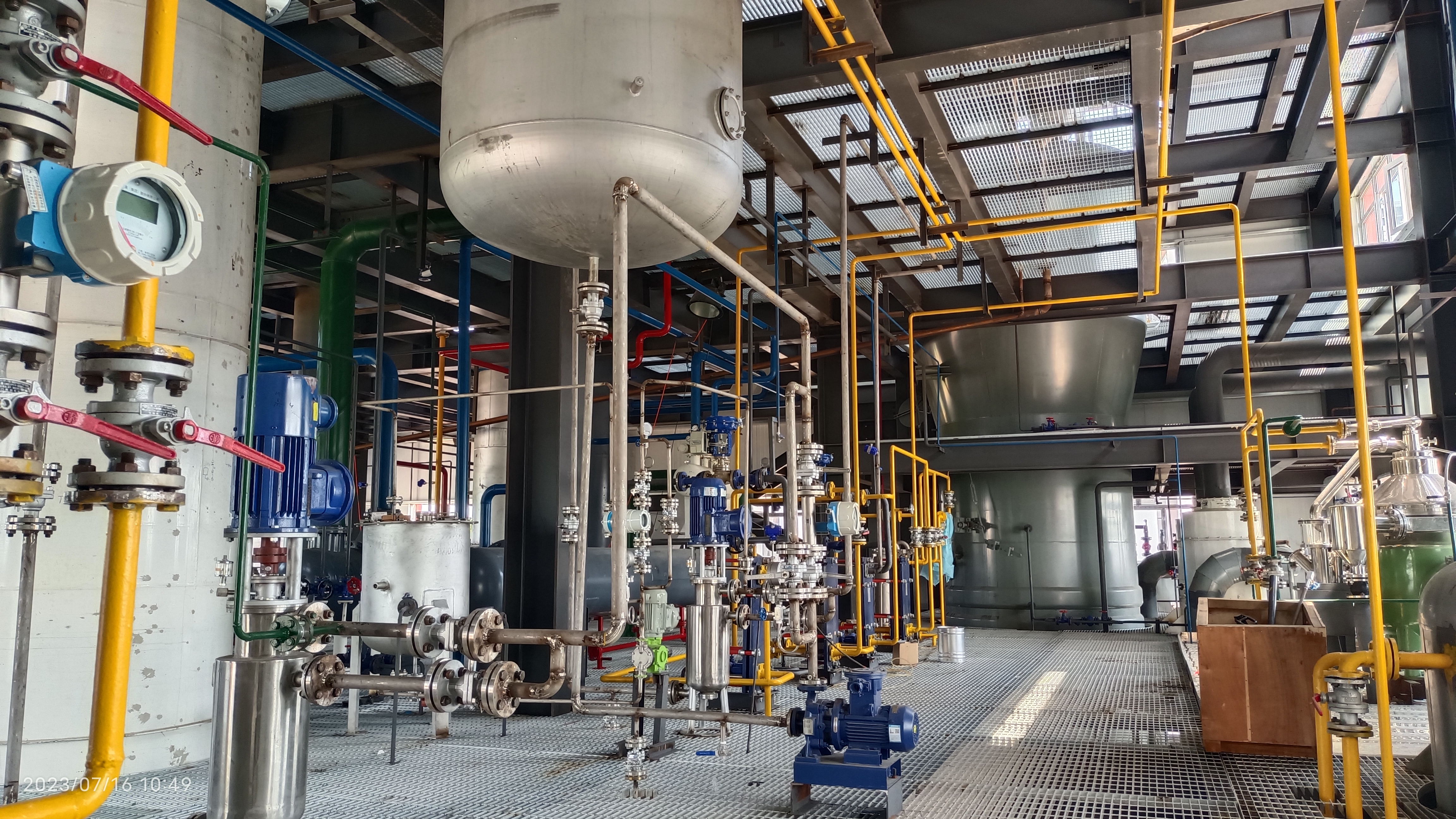
Process
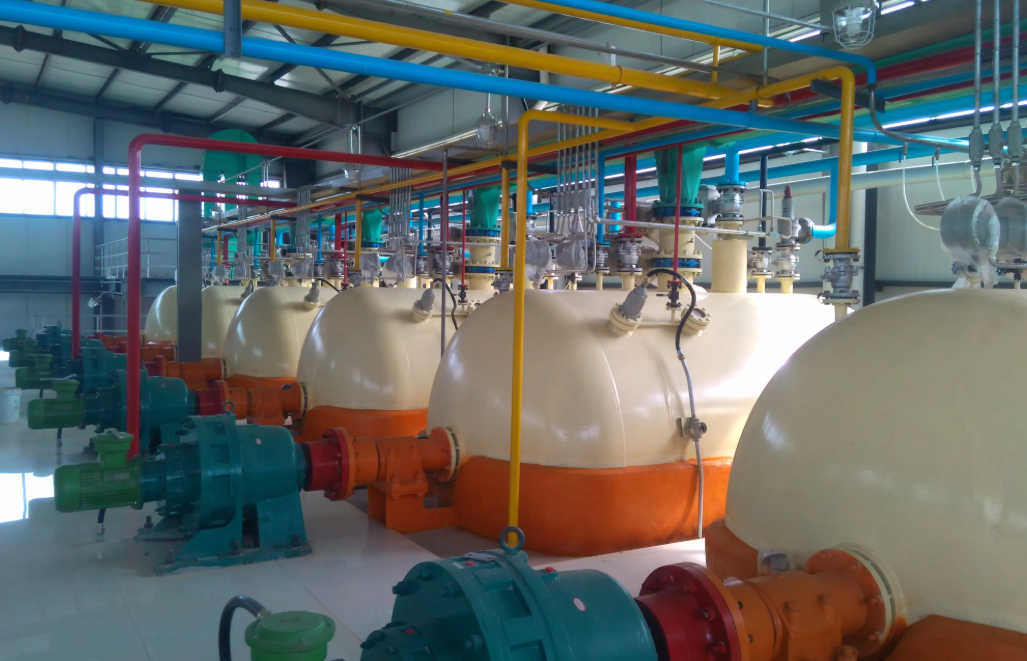
Plant raw materials are placed into a sealed extraction vessel.
Liquefied solvent is injected to soak the materials and/or circulate through them to dissolve the essential oils.
Upon depressurization, the solvent instantly vaporizes and separates, leaving behind the essential oils.
The solvent is recovered and recycled for reuse.
Core Advantages (Why High-End Essential Oils Prefer This Method)
Low-Temperature Aroma Preservation (The Key Highlight)
Temperatures do not exceed 60°C, preventing high heat from damaging heat-sensitive aromatic compounds.
More complete chemical profiles; aromas are closer to their natural state; free from "cooked" or "steamed" notes.
Greater diversity of chemical constituents; high retention rate of active compounds.
 Higher Extraction Yields
Yields are 20–50% higher than those obtained via steam distillation.
Ideal for high-value raw materials such as sandalwood, agarwood, and rose.
Exceptional PurityNo residual solvents (utilizes food-grade solvents that are completely removed during processing).
Light in color, clear, and low in impurities.
Free from oxidation, *trans* fatty acids, and other undesirable byproducts.
Cost-Effectiveness and SafetyLess expensive than supercritical CO₂ equipment; lower operational costs.
Low-pressure operation; safe and easily scalable.
Energy-efficient and environmentally friendly; low energy consumption.
Commonly Used Solvents
Butane & Propane:** (The most mainstream choices; possess excellent lipid solubility and are easily removed at low temperatures).
R134a (Tetrafluoroethane):** (Environmentally friendly, low toxicity; suitable for food and cosmetic applications).
Dimethyl Ether:** (Slightly higher polarity; capable of extracting certain water-soluble aromatic compounds).
IV. Applicable Raw Materials (The Preferred Choice for High-End Essential Oils)
Precious Floral Scents: Rose, Jasmine, Neroli, Ylang-Ylang.
Valuable Woody Materials:Sandalwood, Agarwood, *Dalbergia* wood, Camphor, Cypress.
Medicinal & Spicy Herbs: Ginger, Sichuan Pepper, Cinnamon, Mugwort, Mint.
Essential oils that are highly heat-sensitive or prone to oxidation.**
Comparison with Traditional Methods (At a Glance)
Method** | **Temperature** | **Pressure** | **Aroma Integrity** | **Yield** | **Quality** | **Cost**
ubcritical Extraction** | 20–60°C | 0.3–0.8 MPa | Excellent | High | Pure | Moderate Low Extremely High (Complete) High Pure, Natural Aroma Medium
Steam Distillation 100°C+ Atmospheric Pressure Moderate (Heat Loss) Medium Tends toward a "Cooked" Scent Low
Supercritical CO₂ 31–50°C Extremely High Extremely High High Excellent High
Solvent Extraction (Hexane) 60–80°C Atmospheric Pressure Medium Medium Solvent Residue Risk Medium-to-Low
Summary
Subcritical Extraction = Low Temperature & Low Pressure + High Aroma Retention + High Oil Yield + Low Cost + Safety & Purity; it is currently the preferred mainstream technology for the industrial-scale production of high-end natural essential oils.