Mainstream Process: Dry Fractionation
Solvent-free and wastewater-free process, environmentally friendly and easily controlled.
1. Process Flow: Decolorized and deodorized cottonseed oil → Heating (40–60℃) → Pre-cooling → Crystallization tank cooling and crystal growth → Diaphragm pressure filtration/centrifugation → Liquid oil + stearin/wax
2. Key Parameters (Commonly Used in Industry):
Feed Temperature: 40–60℃ (completely melts crystals).
Cooling Rate: 0.5–2℃/h (slow cooling facilitates the formation of large crystals).
Crystallization Temperature:Dewaxing: 15–18℃ (removes high-melting-point wax).
Main Fractionation: 6–8℃ (separates palmitic acid glycerides).
Deep Fractionation: -5–-10℃ (high-antifreeze liquid oil).
Crystallization Time: 12–24h (stirring 10–15 r/min, forming large β′ crystals). Filtration: Diaphragm filter press, pressure 0.2–0.4 MPa, membrane pressure resistance 0.5 MPa.
Deep Separation (Three-stage Dewaxing and Degreasing)Stage 1 (15℃): Dewaxing, removing waxes and high-melting-point solid fats.
Stage 2 (7℃): Separation of triglycerides of palmitate, yielding primary liquid oil.
Stage 3 (-10℃): Removal of mono/diglycerides and stearin, yielding high-grade liquid oil that is transparent at 0℃ for ≥8 hours.
Equipment Configuration
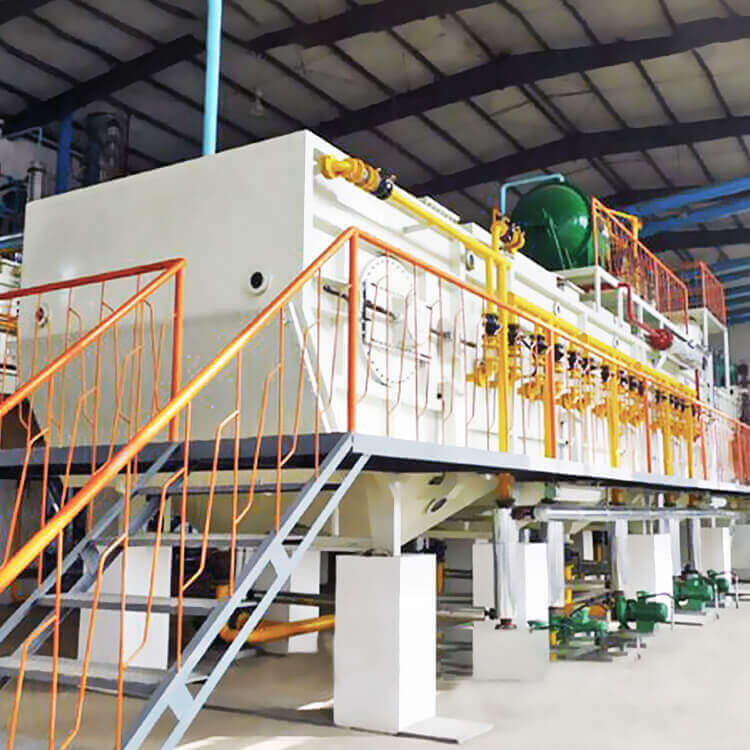
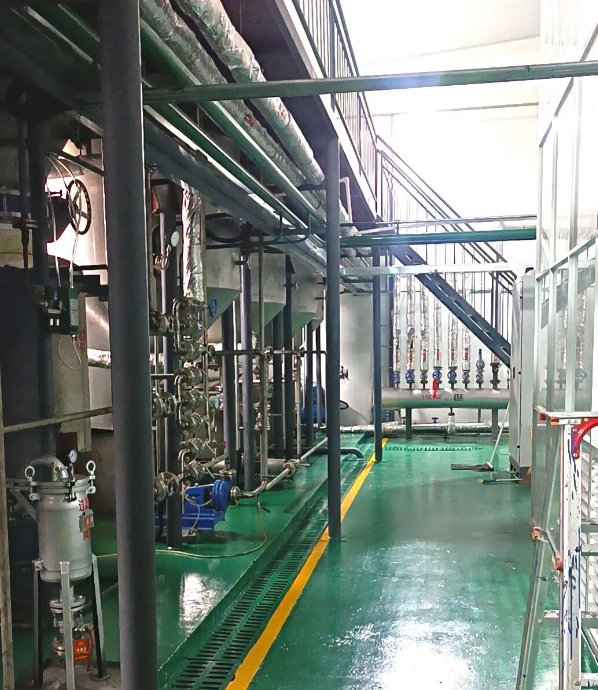
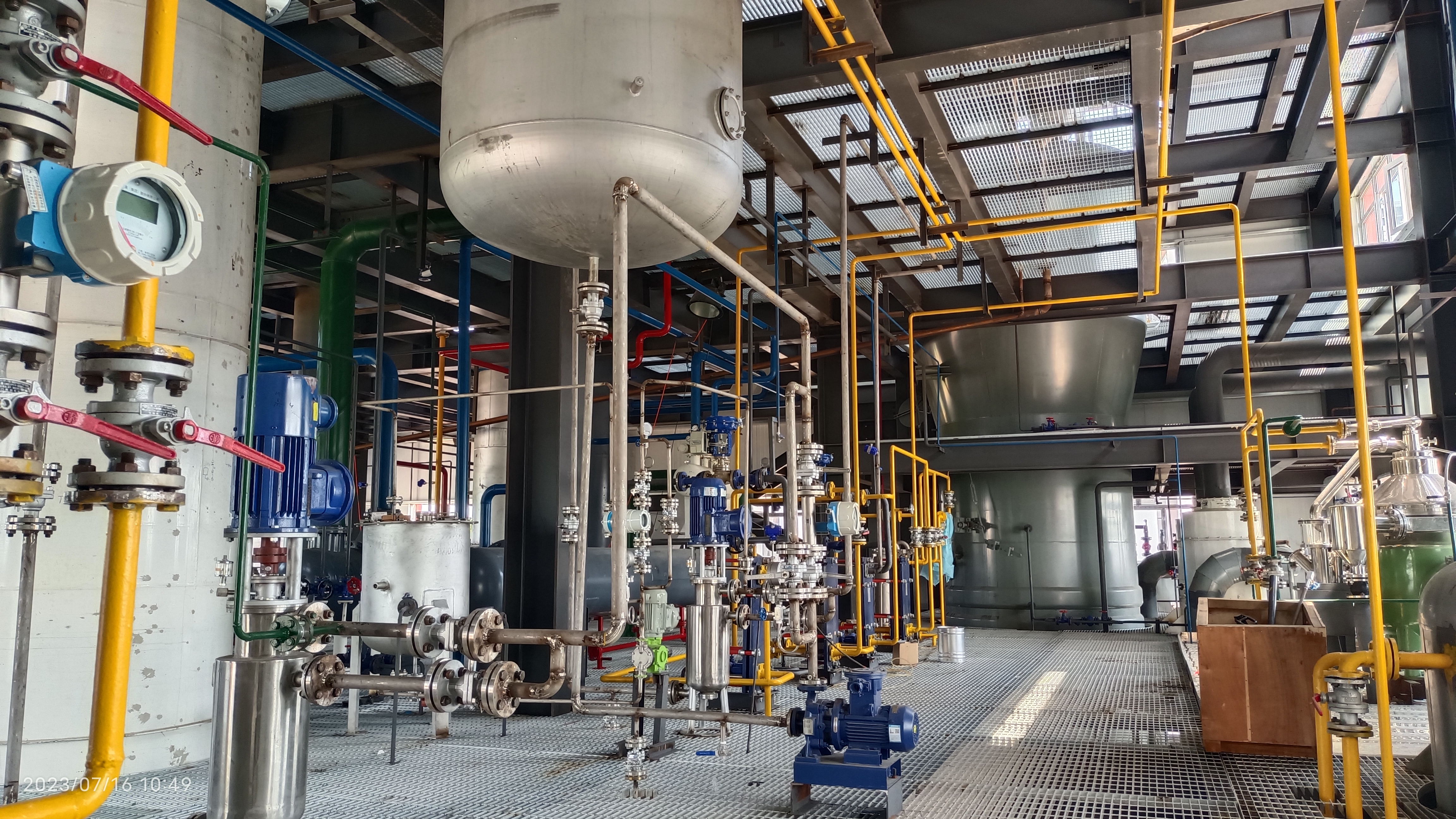
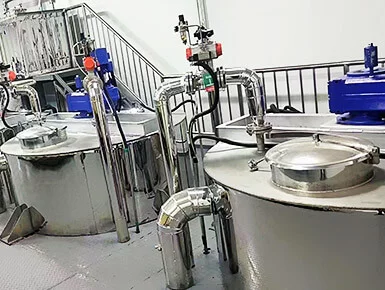
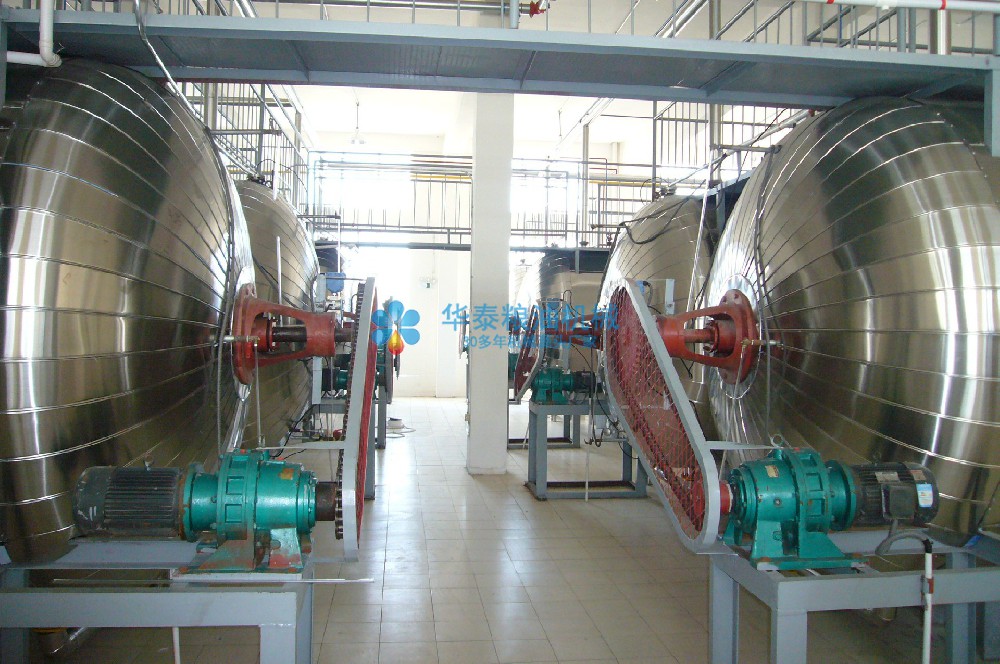
Crystallization System: Horizontal/vertical crystallizer (with cooling jacket, low-speed stirring).
Refrigeration System: Cold water (15–20℃) + chilled water (-5–0℃).
Separation Equipment: Diaphragm filter press (mainstream), vacuum filter, centrifuge.
Automatic Control: PLC temperature control, stirring, and cooling rate control to ensure batch stability.
IV. Products and Applications
Cottonseed Liquid Oil (70%–75%):
Grade 1 Salad Oil: Transparent at 0℃ for ≥5.5 hours, used for salads and blending.
High-Freeze-Resistant Oil: Does not solidify at -5℃, suitable for northern regions/export.
Cottonseed Stearin (25%–30%): Base ingredient for margarine, shortening, and frying oil blends.
Hydrogenated feedstock (replaces some palm stearin).
Dewaxed Cottonseed Oil: Clear at low temperatures, suitable for bottled retail.
Process Comparison (Dry Process vs. Solvent Process)
Dry Process: Solvent-free, environmentally friendly, low cost; crystals easily trap liquid oil, yield is slightly lower (70%–75%).
Solvent Process (Hexane): Thorough separation, high liquid oil yield (80%–85%); solvent residue, high explosion-proof requirements, high cost.
Industrially, over 95% uses dry fractionation, balancing cost and environmental protection.
What Factors Affect Cottonseed Oil Fractionation?
Crystallization temperature: Different target products require different final crystallization temperatures.
Cooling Rate: Cooling too quickly produces small crystals that trap excessive oil, affecting filtration efficiency and liquid oil yield. Slow cooling helps form large, stable crystals.
Raw material quality: The fatty acid composition of cottonseed oil directly impacts fractionation results. Cottonseed oil contains about 21.6%-24.8% palmitic acid, and this content determines stearin yield. If crude oil contains too many impurities, they will interfere with crystal formation. Therefore, cottonseed oil refining quality is the basis for fractionation.
Stirring intensity: During crystallization, moderate stirring enables uniform crystal growth and prevents crystal clumping. Excessive stirring can destroy formed crystals.
Filtration process and additive use: Must precisely control pressure and temperature during filtration. Sometimes, to improve filtration efficiency, add appropriate amounts of filter aids (such as diatomaceous earth), which form loose filter cakes, improving filtration rate and liquid oil clarity.