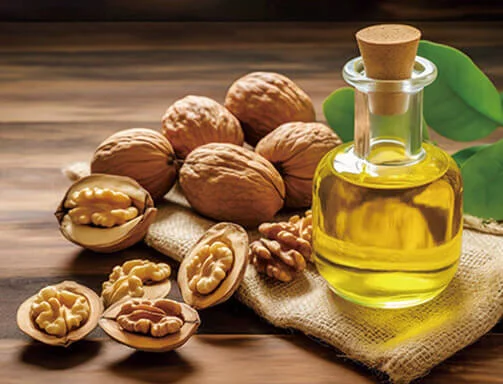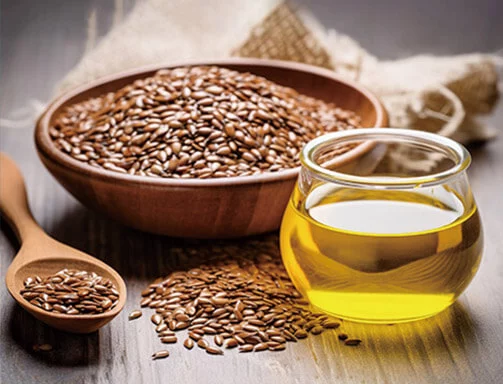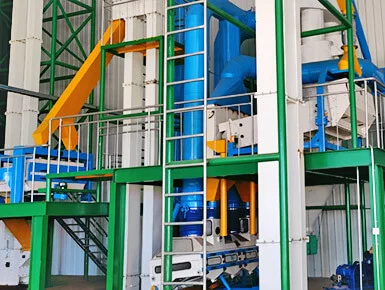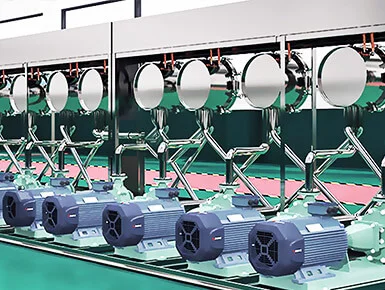
There are two primary methods for extracting edible oil from oilseeds: the pressing method and the extraction method. Each has distinct characteristics, advantages, and applications .
Pressing Method: Traditional Technique Meets Industrialization
The pressing method uses physical pressure to separate oil from oilseeds. Originating from traditional oil workshops, the pressing method has now been industrialized. This method retains most of the oil's natural components since it doesn't involve the addition of any chemicals. Pressed oils typically retain the natural aroma of the raw materials (e.g., peanuts) and align more closely with consumer taste preferences . However, its disadvantage lies in the relatively low oil yield, with higher residual oil content remaining in the oilseed cake .
Extraction Method: Modern Efficiency and Utilization
The extraction method employs food-grade solvents that meet national standards. This process utilizes the solubility between the oil and the chosen solvent to extract and dissolve the oil by bringing it into contact with the processed solid oilseeds . Strict procedures are then used to remove solvents from the extracted oil. Compared to the pressing method, the extraction method results in lower residual oil in the oil meal, higher oil yields, lower processing costs, better production conditions, and more efficient utilization of oilseed resources .

Which Method is Used for Which Oilseed?
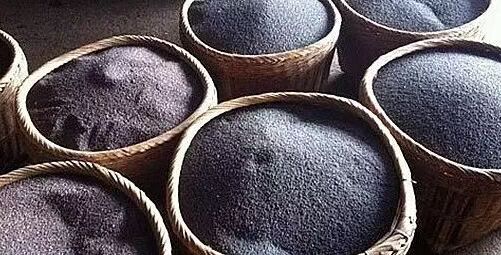
Each method is suited to different types of oilseeds. Generally, high-oil-content oilseeds, such as rapeseed, are processed using a pre-pressing followed by extraction method. Low-oil-content oilseeds, like soybeans, are processed directly using the extraction method. For certain oilseeds that produce oils with special flavors, the pressing method is preferred to retain the oil's original flavor, such as sesame oil and peanut oil .
Flavor and Processing Differences
The different processes result in variations in the oil's flavor. Pressed oils usually undergo only basic acid and gum removal. These oils retain the natural aroma of the raw materials and align more closely with consumer taste preferences . On the other hand, extracted oils must go through procedures like acid removal, gum removal, decolorization, and deodorization, which can eliminate undesirable flavors like the beany smell .
Refining: The Essential Step for Both Methods
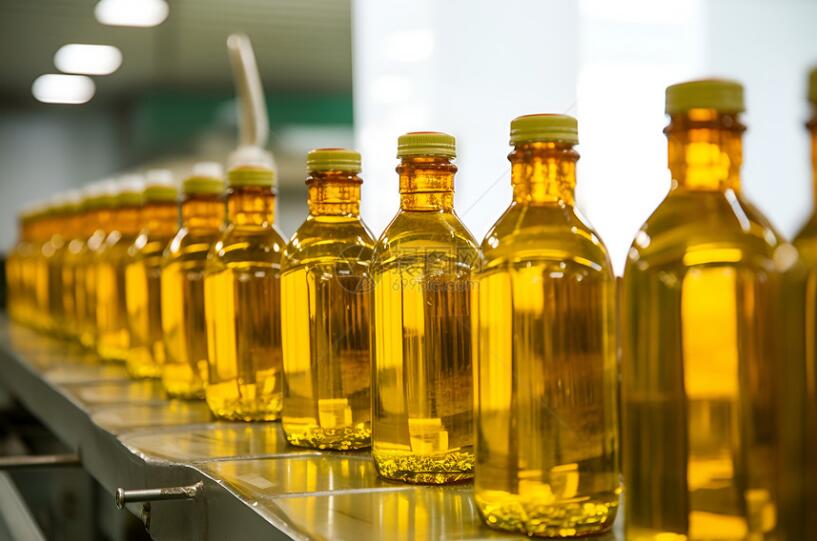
Both types of oil must undergo refining before they are ready for consumption. Crude oil extracted by pressing or solvent methods contains significant amounts of gum, free fatty acids, and colored substances, and cannot be consumed directly . To ensure consumer health, crude oil must be refined through processes such as water washing, alkali washing, acid removal, decolorization, and deodorization. These procedures produce refined oil that is lighter in color, clear, and meets the standards for different grades of oil, making it suitable for sale .
The quality of edible oil is not determined by the production process but rather by the degree of refining and adherence to strict standards during production.
Huatai Group: Complete Solutions for Both Methods
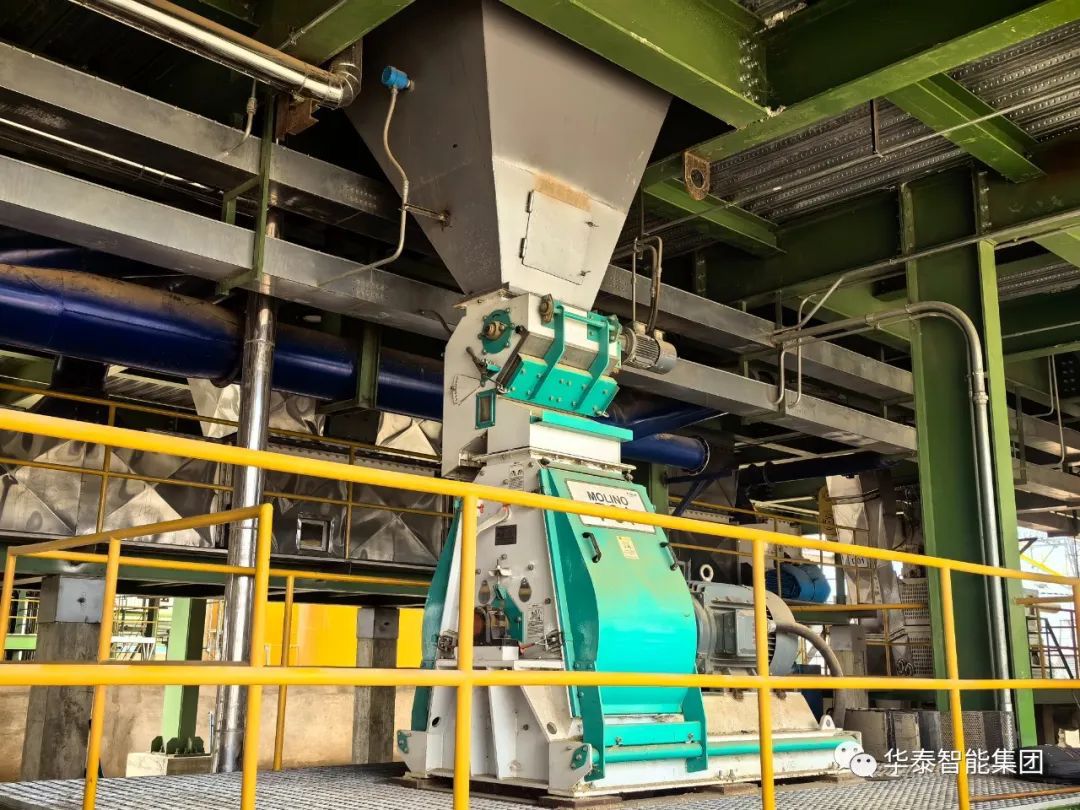
With 38+ years of experience and a presence in nearly 70 countries, Huatai Group provides comprehensive edible oil processing solutions for both pressing and extraction methods . From 10 TPD mini-plants to 2000 TPD industrial complexes, Huatai delivers complete turnkey projects covering pretreatment, pressing, extraction, refining, and packaging.