Pressing Process
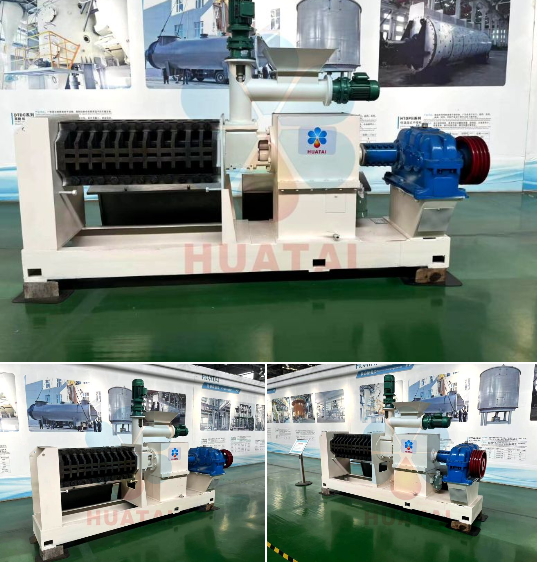
While the screw press is the core equipment in all oil pressing plants, it must be paired with proper pretreatment of the feedstock to fully realize its potential.
Pretreatment of oilseeds is crucial for obtaining oil droplets within the seed's cellular structure. However, completely disrupted cell walls result in a powdery product lacking sufficient structural strength to allow pressure retention and droplet separation. The typical flaking process provides a compromise between opening the channels for oil droplets and allowing for the resistance to extrusion pressure.
A similar phenomenon exists in controlling the oilseed peeling process. In sunflower seeds or rapeseed (canola), a certain husk content enhances the structural strength of the feedstock and is essential for economical operation in a pressing plant. Because proper flaking is a critical factor for the successful operation of the oil press, today's screw geometry, including the length of the shaft in high-pressure and high-shear zones, combined with differently shaped bushings, replaces part of the upstream grinding device, allowing for less stringent requirements in upstream feedstock preparation. In any case, when dealing with a poor-quality feedstock (flaking defects), the entire system must be considered.
Good billet preparation is crucial for success, especially in pre-pressing/solvent extraction processes. Billet preparation (steaming, frying, conditioning) requires regulation of temperature and moisture. Temperature may seem secondary, but it relates to the drying efficiency of the steaming (conditioning) process. Moisture content significantly affects the friction between the billet and the pressing chamber of the oil press, thus influencing pressure rise and oil yield. Although we understand the relationship between moisture content and internal pressure, not all conditions have been thoroughly studied and discovered. It is not solely moisture content that causes a particular structure to exhibit certain rheological behavior. The drying process itself appears to be a decisive factor. It is a known fact that protein denaturation occurs under specific conditions within oilseed conditioning equipment: high temperature, humid air, and residence time. Because different oilseed conditioning devices operate differently—for example, vertical steaming pans are characterized by relatively long residence times and relatively humid environments, while drum or tube-bundle pans release moisture immediately and have shorter billet residence times—the ideal inlet moisture content of the billet must be considered in conjunction with the type of steaming/frying equipment. Furthermore, optimal conditions also depend on the type of oilseed.
When pressing is combined with
solvent extraction, it is called pre-pressing, or it can be used as a true mechanical oil extraction process – full pressing.
Pre-pressing is characterized by a large oilseed throughput, pre-extracting a moderate amount of oil from the oilseed. Typical oilseeds for pre-pressing are rapeseed and sunflower seeds, which are among the world's most important "soft seeds." Solvent extraction can tolerate some of the problems associated with pre-processing the press cake from oilseeds with high oil content. However, solvent extraction is more economical than mechanical pressing because solvent removal, distillation, and solvent recycling are energy-intensive (steam) processes. This is suitable for extracting approximately 66% to 75% of the oil from the oilseed. When attempting to extract more oil using only mechanical pressing, power consumption and wear on internal components increase significantly, the screw press operates under overload, the press output decreases, and the loose structure of the pre-press cake makes solvent penetration more difficult. On the other hand, if too much oil remains in the pre-pressed cake, the cake structure will be soft. When the pre-pressed cake is conveyed to the solvent extractor, the cake will disintegrate, and the powder will adversely affect the soaking and filtration effect of the solvent in the extractor. A 65-75% oil yield corresponds to a residual oil content of approximately 18-20% in the pre-pressed cake. Today's pre-pressing processes can have an oilseed processing capacity of over 3,000 tons per day.
Full Pressing
Full pressing is a process that extracts oil from oilseeds using only mechanical methods without
solvent extraction. Due to the nature of oilseeds, oilseed pressing is physically limited by intermolecular and capillary forces. However, while a typical pre-pressing system shows an oil yield of about 70%, full pressing can achieve over 90%. This means that the residual oil content in the full-pressed cake is typically 5-8%. To achieve additional oil yield, the oilseeds must be kept under high pressure in the screw press for an extended period. This high pressure is mainly due to the low moisture content of the stock, resulting in greater friction within the press. Due to mechanical strength limitations, higher pressure restricts the output of oil presses, as it determines the maximum diameter of the press cage. Furthermore, the required longer retention time necessitates lower shaft speeds, further limiting throughput. Therefore, full-press presses are characterized by limited processing capacity, approximately only 1/10 that of modern pre-presses. The full-press process uses only a small number of pre-presses under relatively mild pre-pressing conditions to extract most of the oil, increasing the final oil yield by reducing the number of final presses. Before the pre-pressing and final pressing operations, a heat treatment preparation step adjusts the moisture and temperature of the oilseeds to achieve optimal processing conditions. Because the product undergoes two pressings, modern screw presses have good extrusion capabilities, and due to the high shear forces in several sections, the oilseeds do not require mechanical treatment (crushing, rolling) before this process begins. Two-step full-press system. An improved two-step full-press system uses cold pre-pressing, with the oilseeds undergoing the first pressing at room temperature. Before the second pressing, the moisture and temperature of the pre-pressed cake are appropriately adjusted. Pre-pressed cold-pressed oil can be processed using a separate filtration system. For each project, the economics of full pressing versus pre-pressing compared to solvent extraction need to be considered individually, taking into account local permits, environmental impact, local energy prices, local oilseed cake markets, safety considerations, and many other factors.
Other Applications:
Screw presses are excellent equipment for continuous solid-liquid separation with a wide range of applications. A general prerequisite for this process is the structural strength of the material, which must allow for pressure build-up, entry into the liquid phase, and support for low-viscosity fluids. Therefore, this system is not suitable for pulps. Other products, especially dehydrated products, often require twin-screw presses, where two screw shafts rotate relative to each other for forced feeding and conveying. These units and processes are typically characterized by simple mechanical construction and low system pressure. High-pressure, heavy-duty single-screw presses are used in the oil processing industry for the extraction of fat from animal meat. Other applications include the dehydration of sawdust, aging of spoiled grains for the brewing industry, and synthetic rubber production. Combining Extrusion and Pressing: These two unit operations not only use mechanically very similar machines, but also innovatively attempt a series of operational combinations. Extrusion is a heat treatment process, while steaming/conditioning is a prerequisite for efficient oil extraction. Therefore, the idea of combining these two unit operations is self-evident. It began with a small device installed on “full-fat” oilseed products (mainly soybean and cottonseed meal) as animal feed, using an extruder for wet heat treatment to reduce anti-nutritional factors. Due to the high oil content of this product, which animals cannot fully utilize and which is a valuable commodity in the market, using a screw press for oil removal seems like a reasonable step. Unfortunately, as explained earlier, extruding high-oil-content oilseeds is not very efficient or requires a screw shaft with special geometry and a large amount of electrical energy. However, once these initial problems are solved, the system is characterized by a very simple setup, good oil extraction efficiency, high output, and low energy consumption. Flash evaporation of material moisture during extruder discharge requires a good ventilation system to avoid excessive condensation in the downstream conveyor or screw press.
Combining Pressing and
Extrusion: The advantages and benefits of combining extrusion with screw pressing are obvious, but the reverse order has been applied and can still be seen in some places. The main motivation for this process is that the extruder can produce granular material with a certain structure and stability. In cases of poor screw pressing (pre-pressing) performance, after the high-oil-content cake enters the solvent extraction system, the excess powder leads to poor solvent penetration and a high residual oil content in the cake. The extruder used for the pressed cake after pressing is designed to improve the structural strength of the cake. Early press-expansion was tested in multi-oilseed plants, where extruders were already used in soybean processing. The overall success of this combination is limited by the number of machines because (i) additional electrical power is required, and (ii) the additional heat generated by the extruder must be removed by cake drying, coolers, and cooling air volume must be handled to reduce dust and odor emissions. Without an extruder, it is necessary to invest in upstream equipment for billet preparation and pressing to produce a suitable pre-pressed cake that requires no additional treatment before solvent extraction.
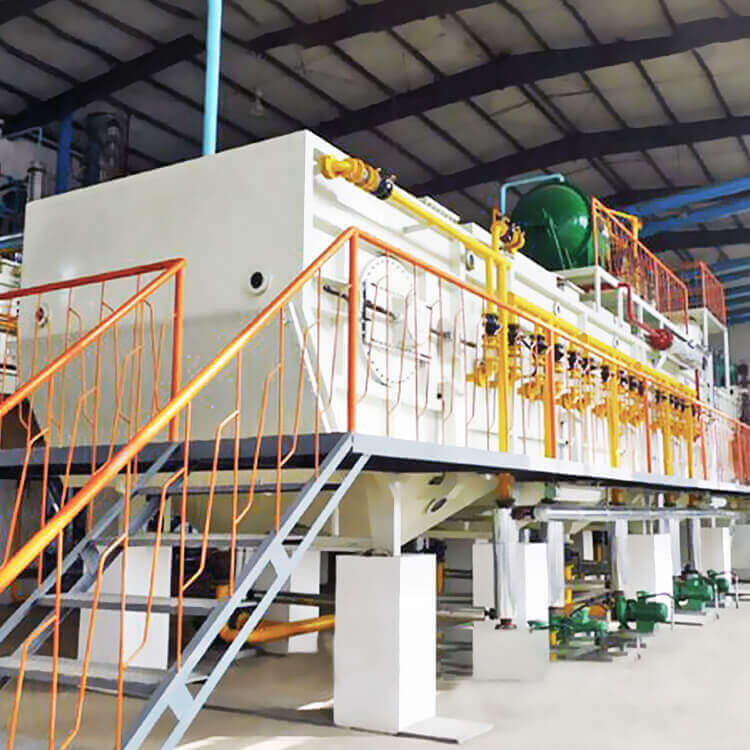
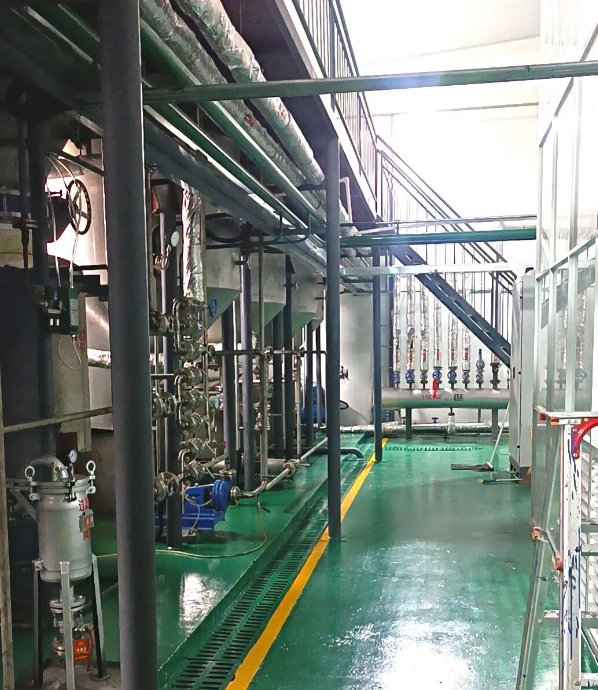
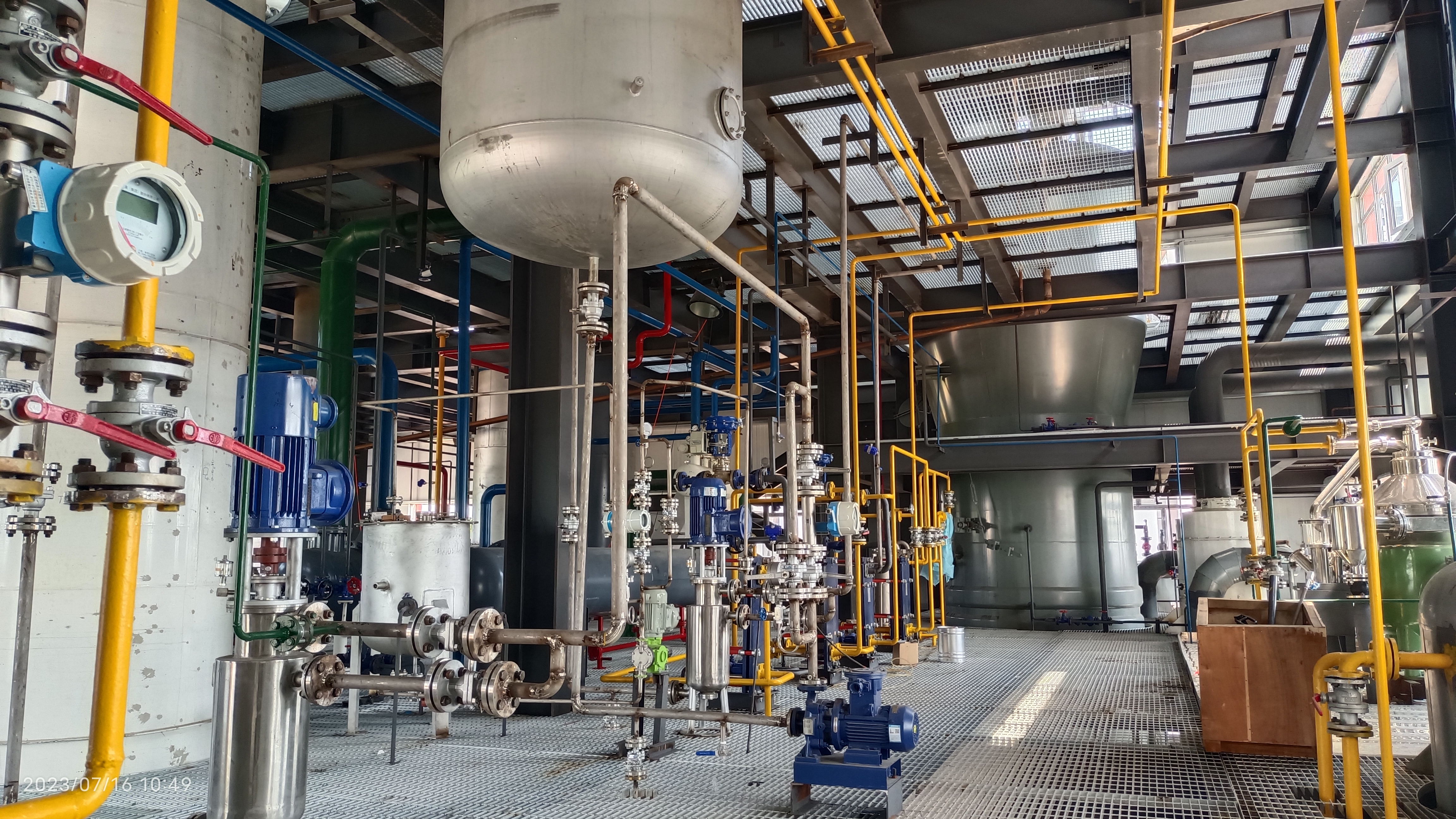
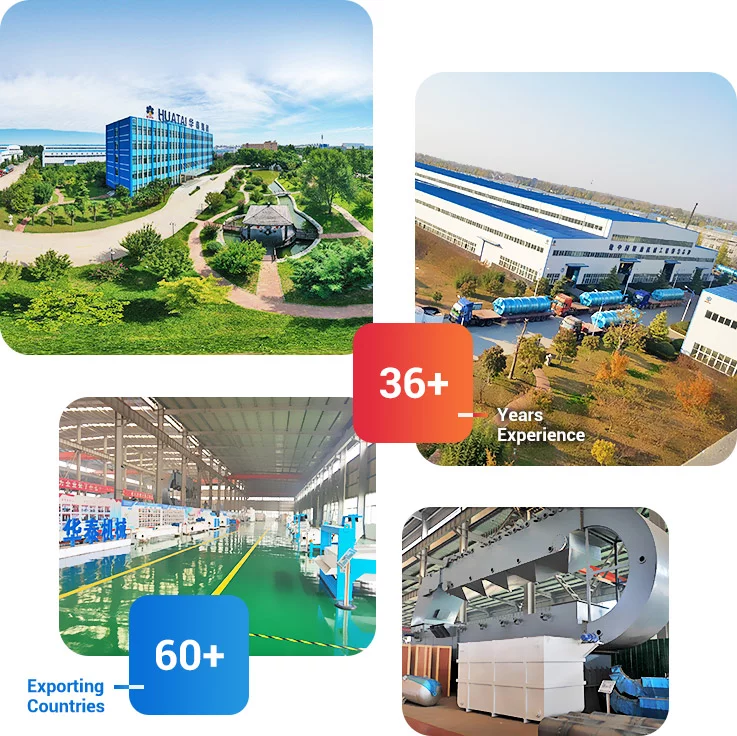
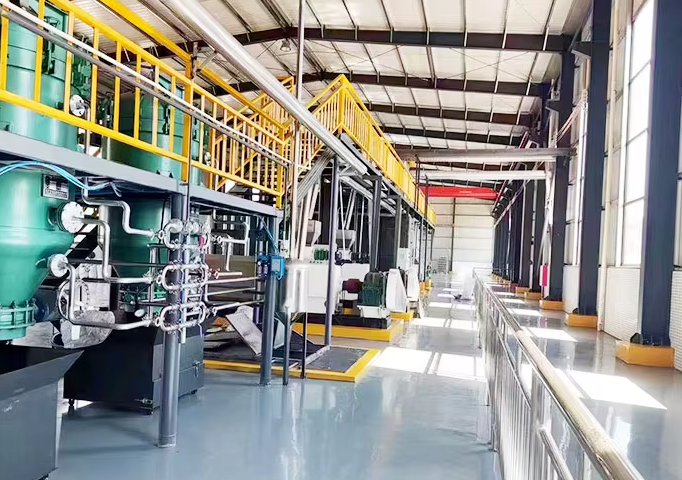
Huatai Group supply both oil pressing and solvent extraction equipment, our engineer will give customer the best solution according to the needs.We can supply a complete pressing line and the whole line with a capacity of 30 tons to 1500 tons.