I. It's not simply about "removing odors";
Deodorization, it's the core process for lowering free fatty acid value (FFA). It's the most effective stage for removing trans-areas, polycyclic aromatic hydrocarbons, and pesticide residues, and it's crucial in determining the flavor, smoke point, and shelf life of the finished oil. It's also the most energy-intensive stage with the greatest impact on quality. In short: if
deodorization isn't done well, all the preceding degumming, deacidification, and decolorization efforts are wasted.
II. Industry's Top Concern: Deodorization = Three Core Controls
1.
Temperature (240–260℃)
Too low: FFA, odor, and peroxides cannot be removed.
Too high: Polymerization, increased trans fats, significant loss of Vitamin E, and color reversion.
The industry's golden range: 245–255℃
2.
Vacuum (must be <3 mbar)
High residual pressure → drastic drop in stripping efficiency.
Direct manifestations: oil has an odor, acid value cannot be reduced, and losses are high.
3.
Direct Steam (sparging steam)
Insufficient quantity: incomplete deodorization. Too much quantity: oil hydrolysis, soaring losses, and explosive energy consumption.
III. The Real "Industry Pain Point" of Deodorization
 Trans fatty acids (TFA) control
: high temperature + long residence time → TFA increases → High-end oils are now using: low-temperature short-sistance deodorization.
Vitamin E & sterol retention: the more aggressive the deodorization, the greater the nutrient loss → High-end oils require shallow deodorization / retention-type deodorization.
Flavor stability (no reversion to odor, no rancidity): incomplete deodorization → storage 1–2 days. The oil will develop a fishy or grassy smell within a month.
Deodorization accounts for 60%+ of refining steam consumption.
IV. Different oil types require completely different deodorization processes
Soybean oil/Rapeseed oil: Deep deodorization (250–260℃) → Flavorless salad oil
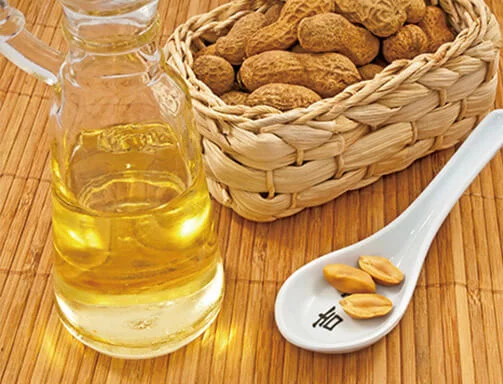
Peanut oil: Light deodorization (220–230℃) → Retains rich aroma
Corn oil/Sunflower oil: Medium-deep deodorization
Olive oil (refined): Low-temperature, very light deodorization
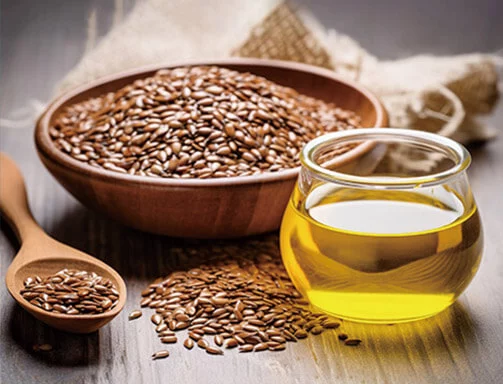
Hemp oil/Flaxseed oil: Ultra-low temperature, short treatment time, otherwise all nutrients will be destroyed.
V. How to judge the quality of deodorization at a glance?
Acid value stabilizes at 0.1–0.2 mgKOH/g = normal deodorization
Flavor: Odorless / Light, pleasant aroma
No back odor, no rancidity
Stable color, no color reversion
Trans <1% (modern process)VI. Industry Trends (2025–2026)
Low-temperature deodorization (220–240℃) + short residence time
Physical deodorization replacing chemical deacidification
TFA <0.5% becoming standard
Nutrient-retaining deodorization (high VE, high sterols)