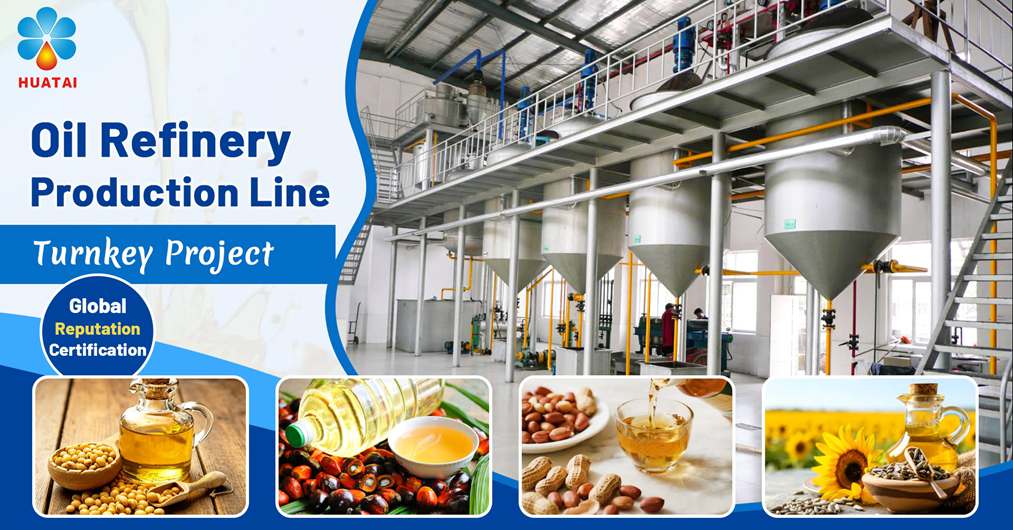
Palm oil refining is a crucial process that transforms crude palm oil (CPO) into a stable, clear, and high-quality edible oil suitable for cooking and food manufacturing . The refining process removes impurities that affect oil stability and product quality.
The Refining Process
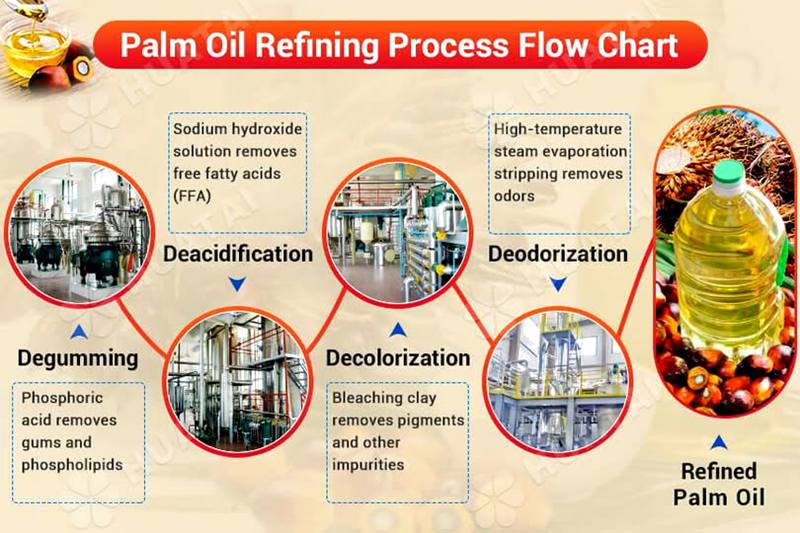
- Degumming is the first critical step, removing phospholipids and gums that can cause oil cloudiness and affect stability . This is typically achieved through hydration or acid treatment.
- Deacidification eliminates free fatty acids (FFA) through either chemical or physical refining. Chemical refining uses alkali neutralization, while physical refining removes FFA during the deodorization stage .
- Bleaching (Decolorization) removes pigments and impurities using activated clay under vacuum conditions. This step improves oil color and clarity .
- Deodorization is the final high-temperature, high-vacuum steam distillation process that strips away odor compounds and volatile substances, producing neutral-tasting oil with extended shelf life .
Two Refining Approaches
Physical refining combines deacidification with deodorization, offering lower oil losses and no wastewater generation. It's ideal for high-acid oils like palm.
Chemical refining uses alkali neutralization for deacidification, suitable for oils with lower FFA content .
The Huatai Advantage
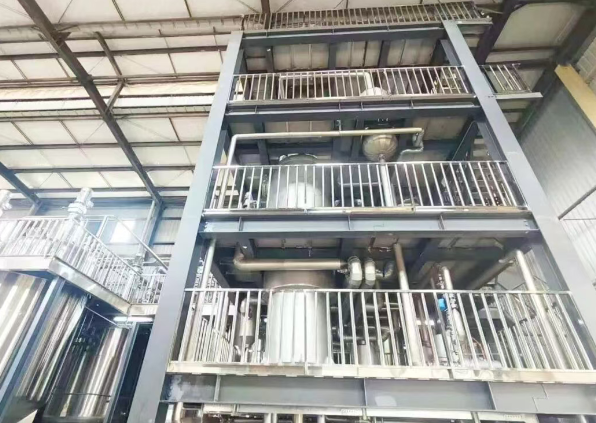
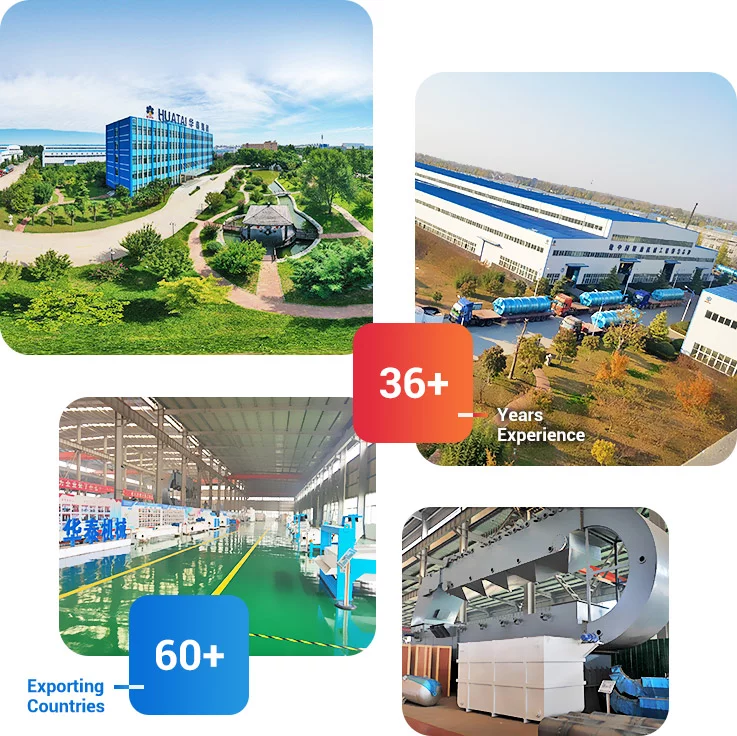
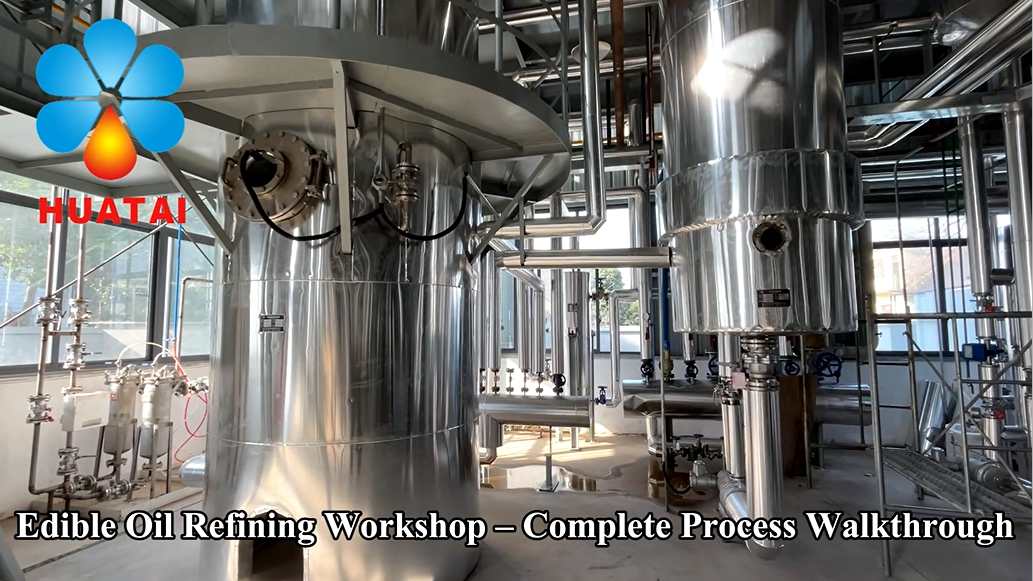
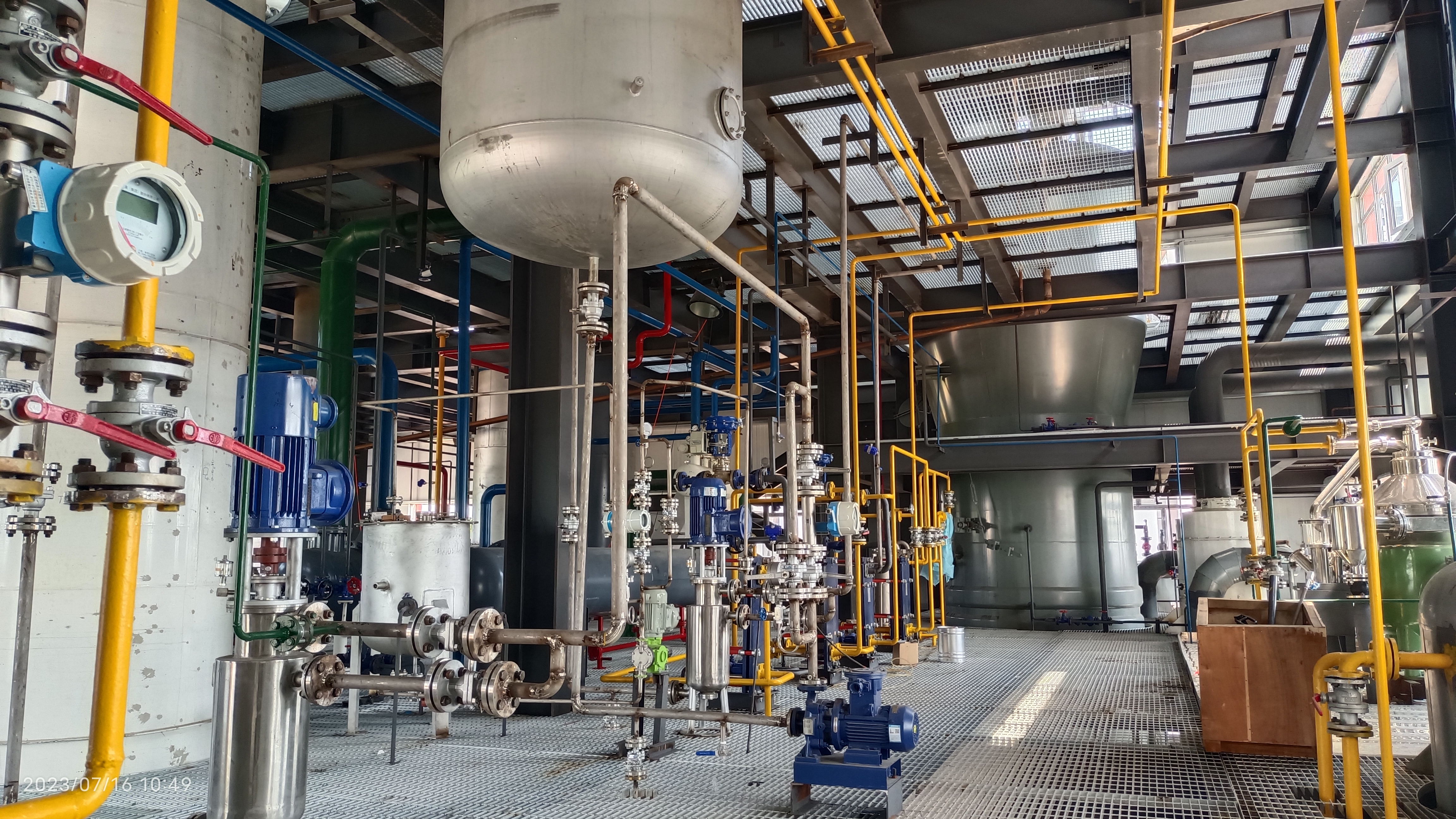
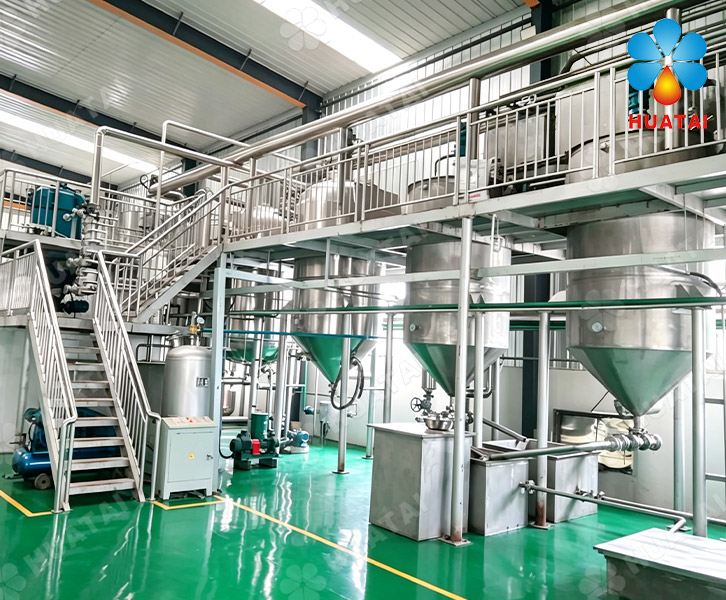
Huatai Group, with over 38 years of experience and 60+ countries served, provides complete turnkey palm oil refining solutions covering the entire process from degumming to deodorization . Our systems feature:
- PLC automation for consistent quality and low labor requirements
- Energy-saving heat recovery systems
- Customizable capacities from batch to fully continuous lines
- End-to-end services: design, manufacturing, installation, and training


立秋发货-封面_副本.jpg)