Constructing a
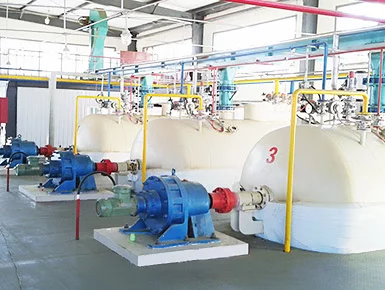
soybean oil solvent extraction production line involves more than just selecting extraction equipment. Soybean raw materials undergo pretreatment, expansion, and extraction; the resulting miscella (oil-solvent mixture) requires evaporation, stripping, and refining, while the wet meal requires desolventizing, drying, and cooling. Equipment configuration, material transfer, and control logic across these stages collectively determine the continuous operation of the production line. Huatai Cereals and Oils Machinery Co., Ltd. provides comprehensive engineering services for this 200 TPD (tonnes per day) soybean solvent extraction EPC project. The project encompasses the overall planning of soybean pretreatment, expansion and extraction, solvent recovery, crude oil refining, soybean meal processing, and automation control, while also addressing requirements for thermal insulation, freeze protection, sealing, and safety management suited to cold-climate operations.
Project Overview
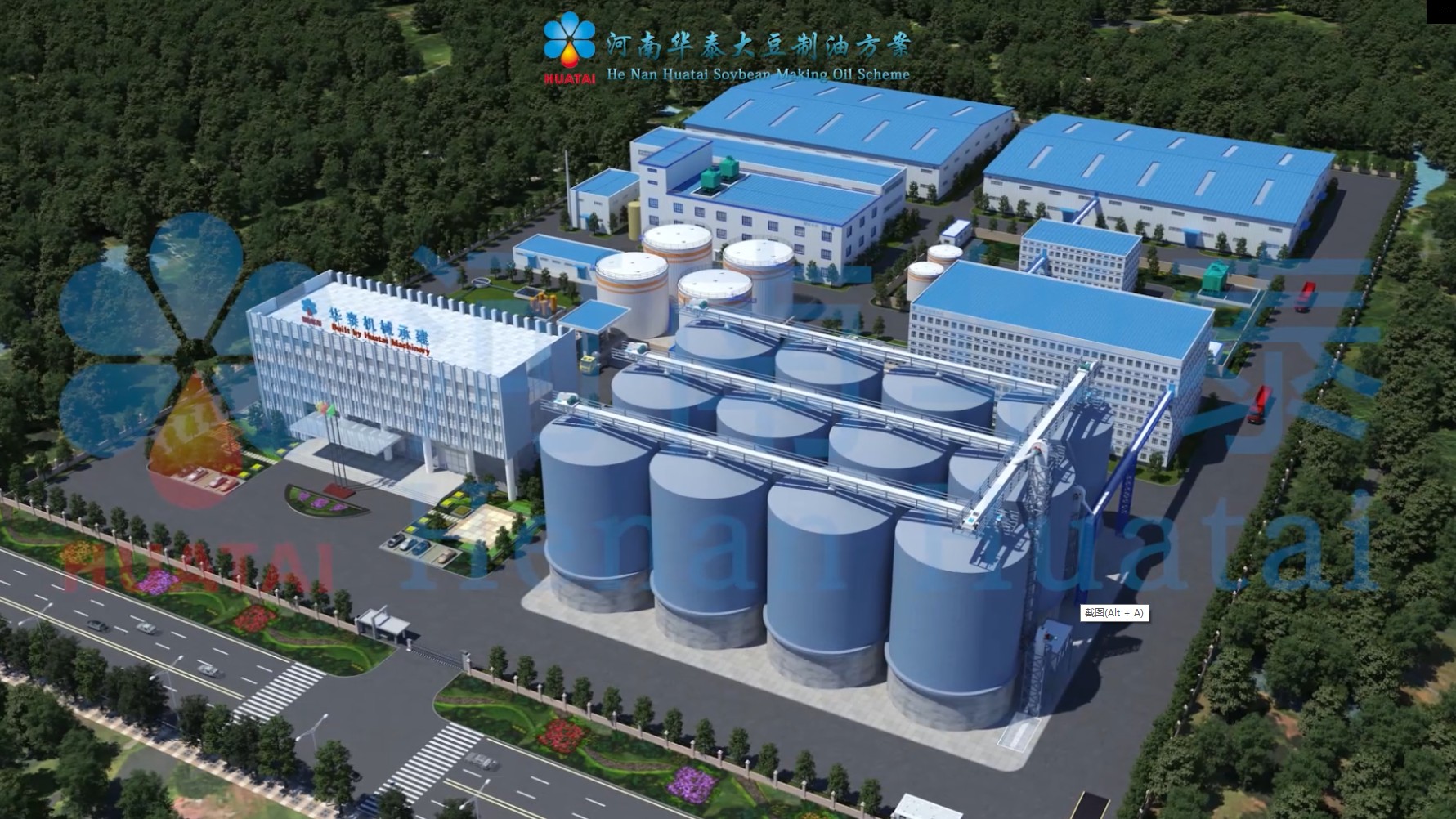
This project involves the construction of a complete plant for processing 200 tonnes of soybeans per day—including solvent extraction and refining systems—to meet demand in the Russian region. Planned according to the EPC (Engineering, Procurement, and Construction) model, the project covers process design, equipment manufacturing, on-site installation and commissioning, and technical support. The overall production flow is: Soybean raw material → Cleaning → Cracking → Softening → Flaking → Expansion → Extraction → Miscella evaporation and stripping → Crude oil refining → Refined soybean oil. The wet meal resulting from extraction undergoes desolventizing, drying, and cooling to produce soybean meal suitable for storage, transport, and downstream use. Integrating oil processing and meal handling into the overall line plan facilitates the early coordination of equipment interfaces, material conveyance, and by-product processing requirements.
Key Process Stages of the Soybean Solvent Extraction Line
1. Soybean Pretreatment: Preparing for expansion and extraction. The pretreatment system includes stages such as raw material cleaning, cracking, softening/conditioning, and flaking. Cleaning removes impurities from raw materials, thereby reducing their impact on downstream equipment; crushing, softening, and flaking work together to adjust the material's physical state, creating optimal conditions for subsequent expansion and solvent extraction. Given the variations in soybean moisture content, impurity levels, and raw material characteristics, pretreatment equipment and process parameters must be tailored to the specific project conditions. The quality of pretreatment also influences the uniformity of the expanded material and the operating conditions of the extraction process.
2.
Expansion and Solvent Extraction: Coordinating material state and solvent contact. Expansion and solvent extraction are critical stages in soybean oil recovery. After flaking, the soybean material undergoes expansion before entering the extraction system; key operational factors include material distribution, stable conveyance, and the contact conditions between the solvent and the material. The extraction system must also integrate seamlessly with the mixed oil processing, wet meal desolventizing, and solvent recovery units. Project planning treats these stages as an interconnected system to ensure continuity of production, proper equipment interfacing, and efficient downstream operational management.
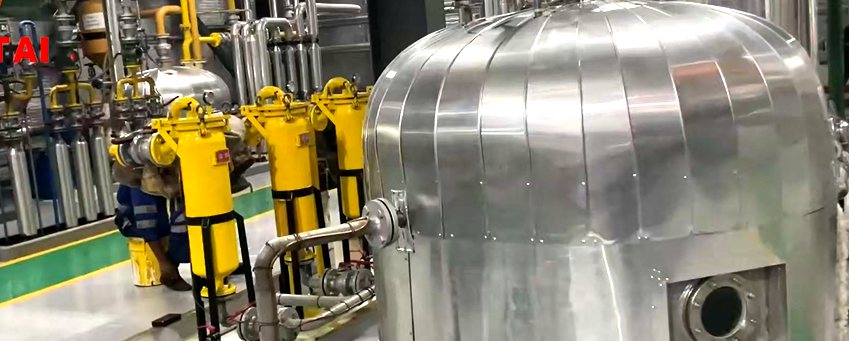
3. Mixed Oil Processing and Solvent Recovery: The mixed oil obtained from extraction undergoes processes such as evaporation and stripping to recover the solvent and produce crude oil. Equipment and process configurations must match the extraction system's capacity while addressing requirements for solvent circulation, piping connections, sealing, and safe operation.
4. Wet Meal Desolventizing and Soybean Meal Processing: Post-extraction wet meal undergoes desolventizing, drying, and cooling before proceeding to conveyance, temporary storage, or further processing stages. Plant-wide planning must also account for the client's storage, transportation, and product utilization methods when designing meal conveyance routes and interface points.
5. Crude Oil Refining: The project includes a
crude oil refining system to process the crude oil obtained from extraction. Depending on product specifications, the refining process may involve degumming, deacidification, bleaching, and deodorization. Specific process configurations are determined based on the target product positioning, raw material characteristics, and project requirements.
Adaptation to Low-Temperature Environments (Russia Projects)
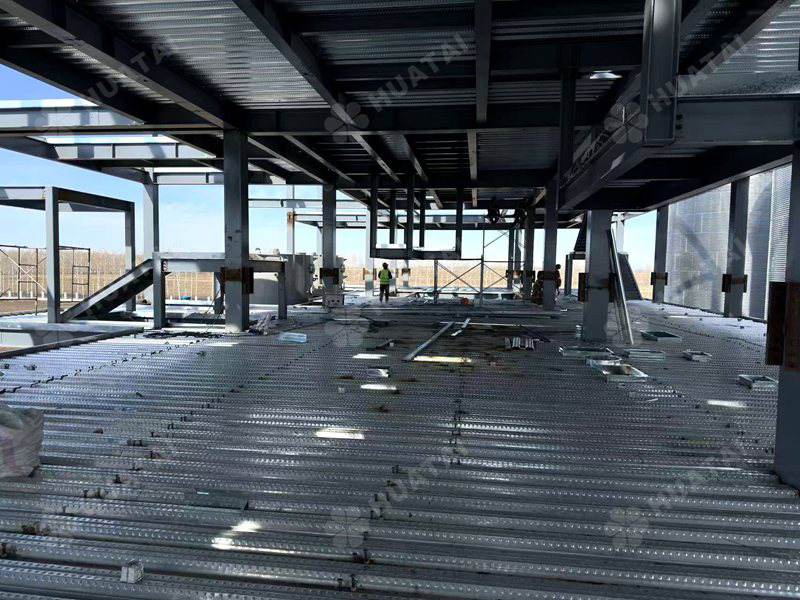
When constructing grain and oil processing lines in cold regions such as Russia, project planning must account for the impact of local climatic conditions on the operation of equipment and utility systems. During the conceptual design phase, the project focuses on thermal insulation and freeze protection for process piping, valves, storage tanks, and equipment susceptible to low temperatures, while also addressing material handling, instrumentation, and on-site maintenance requirements. The solvent extraction line involves solvent circulation, recovery, and treatment; therefore, engineering design and implementation must comply with local regulations and integrate systems for sealing, ventilation, alarms, fire protection, and safety interlocks. Equipment layout, piping connections, and maintenance clearances must also be considered to facilitate future inspections and servicing.
System Coordination in Whole-Plant EPC Projects: When a soybean oil processing plant utilizes the whole-plant EPC model, design, equipment procurement, installation, and commissioning must be coordinated around a unified process flow. Initial planning typically requires confirming the following: soybean raw material characteristics, design processing capacity, and target product positioning; the interconnections between pretreatment, expansion, extraction, refining, and meal processing stages; facility conditions, equipment layout, and material transport routes; utility interfaces (steam, electricity, cooling, etc.); the scope of automation control and interlocks between key equipment; and local climate, safety, and operational/maintenance requirements. Incorporating these factors into the overall plan helps clarify interfaces between disciplines prior to equipment manufacturing and on-site installation, thereby minimizing integration issues between systems.
Project Reference Value
The 200 TPD soybean extraction EPC project in Russia demonstrates a comprehensive planning approach for a soybean processing plant, covering everything from raw material pretreatment and expansion/extraction to crude oil refining and meal processing. By integrating operational requirements for cold-climate regions—specifically regarding thermal insulation, freeze protection, sealing, and safety configurations—this project serves as a valuable reference for enterprises planning to build soybean oil processing plants or expand their extraction and refining capacities. As projects differ in terms of raw material conditions, facility design, product specifications, and local regulations, specific process routes and equipment configurations should be finalized based on project-specific data and site conditions.
Huatai Oil Machinery's
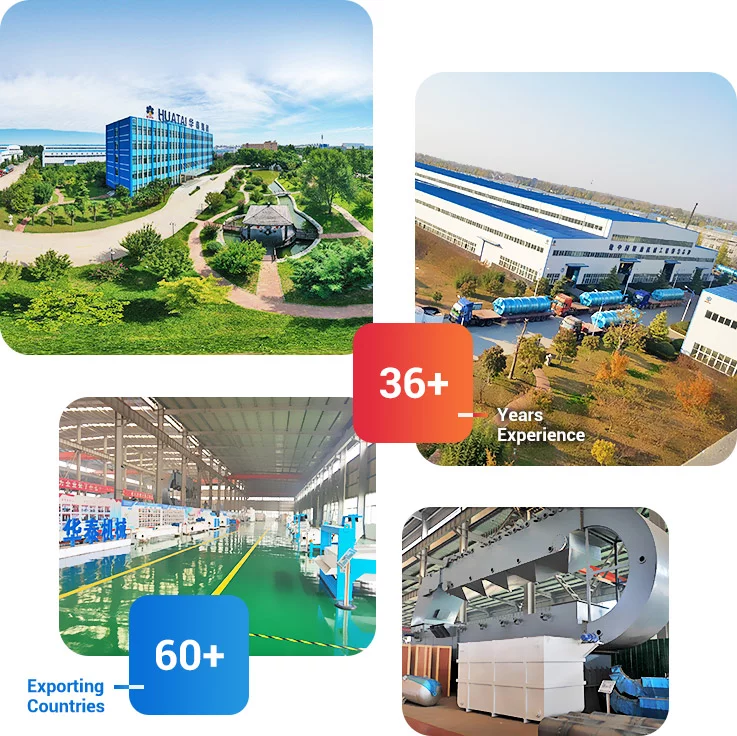
soybean oil processing technology and equipment have been successfully deployed in over 70 countries and regions worldwide. In recent years, the company has completed several landmark international projects:
Bangladesh: 50 TPD soybean oil pressing and 50 TPD refining line
Bolivia: Complete equipment set for 1000 TPD soybean oil pressing line
Nigeria: Complete equipment set for 200 TPD soybean oil pressing refining project
Eygpt: 100 TPD fully continuous soybean oil refining project
Ethiopia: Complete equipment set for 300 TPD soybean oil refining project.