Selection of Grain and Oil Processing Equipment (Suitable for palm, coconut, rapeseed, peanut, soybean, etc.)
Raw Material Characteristics
1. Type of Raw Material: The processing requirements vary significantly depending on the raw material—such as palm kernel, coconut, rapeseed, soybean, or peanut. For instance, palm processing requires the separation of kernels from shells, while rapeseed requires steaming and roasting to deactivate the enzyme myrosinase.
2. Moisture Content, Oil Content, and Impurities: These factors directly determine the configuration of the pre-treatment section, production capacity, and oil yield.
3. Seasonality: Oil palm is harvested continuously throughout the year, whereas peanuts and rapeseed are seasonal crops; therefore, provisions for storage (buffering) and drying must be considered.
4. Local Impurity Profile: The presence of sand, soil, fibers, or stones determines whether enhanced cleaning and destoning equipment is required.
Target Capacity & Operational Continuity
- Clarify the daily raw material processing capacity (distinct from the output volume of finished oil)—for example, 100 tons of palm kernels per day or 50 tons of rapeseed per day.
- Distinguish between batch (intermittent) production and 24-hour continuous production lines. There are substantial differences between standalone machines for small-scale workshops, medium-scale integrated EPC (Engineering, Procurement, and Construction) projects, and large-scale automated production lines.
- Plan for Future Expansion: Consider whether additional processing stages—such as
refining, dewaxing, or fractionation—might be required later.
Finished Product Requirements (Determines Downstream Equipment)
1. Product Type: Will the crude oil be sold directly, or will it be processed into refined oil (Grade 1), salad oil, or fractionated palm oil? 2. Indicators: Acid value, peroxide value, color, smoke point, impurities, and moisture content.
3. By-product utilization: Oil cakes/meals (for animal feed, internal use, or commercial sale), husks, and fibers—consider whether to include processing equipment for baling or carbonization.
Local Operating Conditions
1. Power supply: Assess the stability of voltage and frequency, and the frequency of power outages. Determine if a generator or a variable-frequency voltage stabilizer is required. In many developing countries, power grids may be unreliable, which must be factored into the selection of electric motors.
2. Water supply: Evaluate water hardness and availability. Consider requirements for water used in refining (washing) and boiler operations.
3. Climate: High temperature/humidity or arid/dusty conditions—these factors affect motor protection, rust prevention, and the potential for material clumping during transport.
4. Fuel: Options include coal, firewood, biomass (re-burning husks/residues), diesel, or natural gas. This choice determines the heat source strategy for boilers and steaming/roasting equipment.
Equipment and Process Routes
Two primary approaches: Pressing vs. Solvent Extraction
Cold pressing: Preserves nutrients; operates at low temperatures. Typically lower capacity; suitable for high-end oils; lower oil yield.
Hot pressing: Involves steaming/roasting prior to pressing. Offers higher oil yield; the standard choice for small to medium-sized plants.
Solvent extraction: Uses n-hexane; provides the highest oil yield. Suitable for large-scale plants (100+ tons/day). Requires desolventizing equipment and must meet strict regulatory compliance standards.
Palm oil: Process involves sterilization (enzyme deactivation) → fruit stripping → digestion (mashing) → pressing. Palm kernels are separated and processed via a distinct, separate workflow.
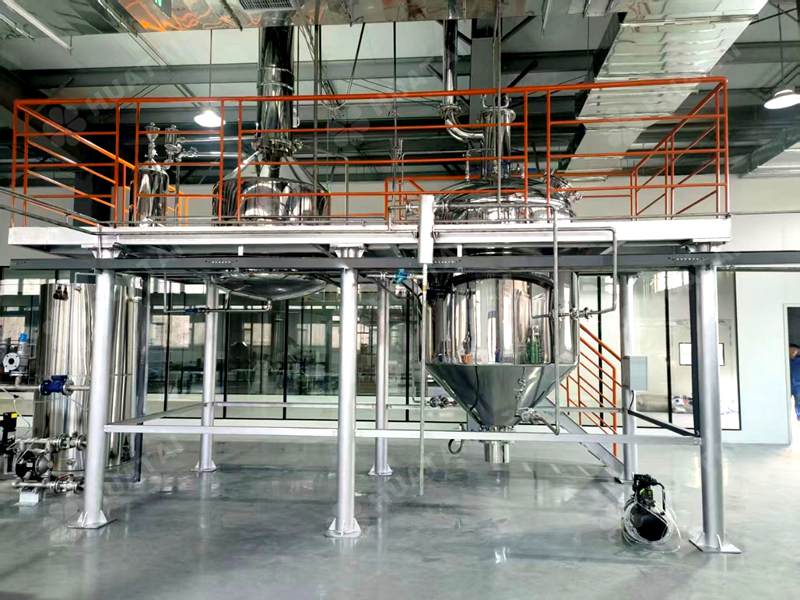
For enterprises planning to build an oil processing plant, equipment selection should not focus solely on the specifications of individual machines, but rather on the entire production system.
Key considerations include
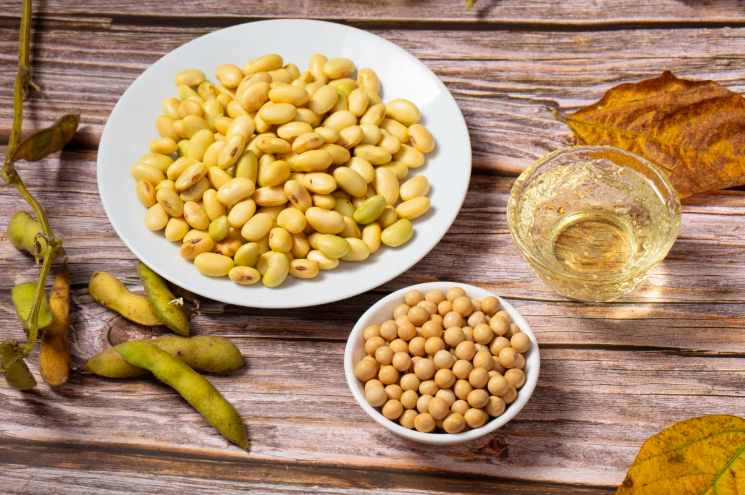
1. Raw material characteristics: Different oilseeds require specific processing technologies. For instance, the equipment configuration for soybeans, rapeseed, peanuts, or sunflower seeds will vary.
2. Production scale: Equipment specifications should be based on daily processing capacity. Solutions differ significantly between small-scale processing plants, medium-sized oil enterprises, and large-scale industrial projects.
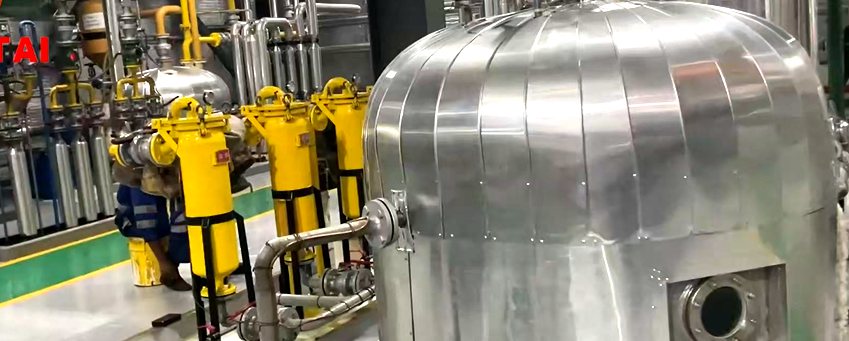
3. Level of Automation: Modern grain and oil processing enterprises are placing increasing emphasis on automated control systems, utilizing automated equipment to boost production efficiency and reduce labor costs.
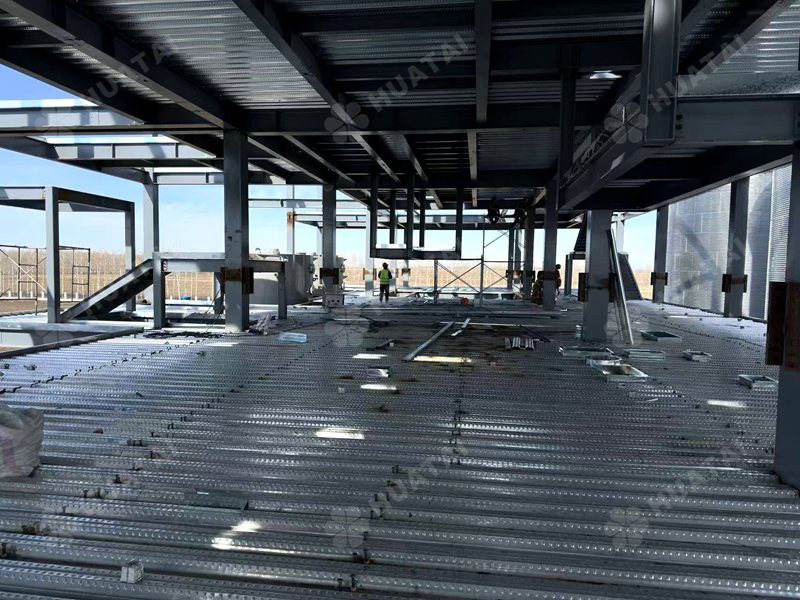
4. Comprehensive Engineering Capabilities: Leading grain and oil machinery enterprises must offer more than just equipment; they must also provide integrated services, including process design, engineering installation, and commissioning.
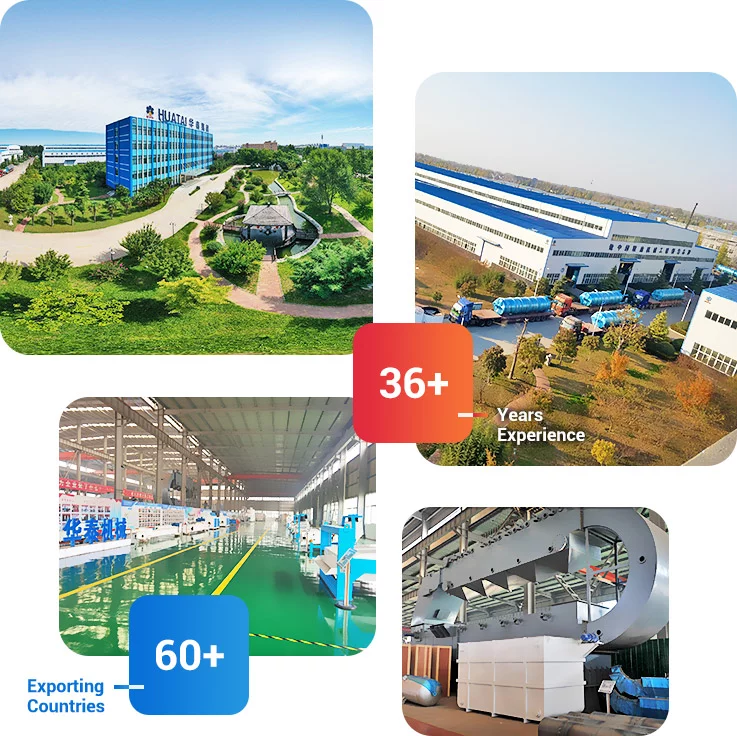
Huatai Group has been deeply engaged in the grain and oil machinery sector for 38 years, with numerous edible oil mill projects across more than 70 countries—including regions in Central Asia, Africa, Southeast Asia, and South America. We possess extensive experience in establishing overseas facilities and welcome you to visit us for site inspections and business collaboration.