Corn Oil Refining Process | Setup Corn Oil Refinery Plant
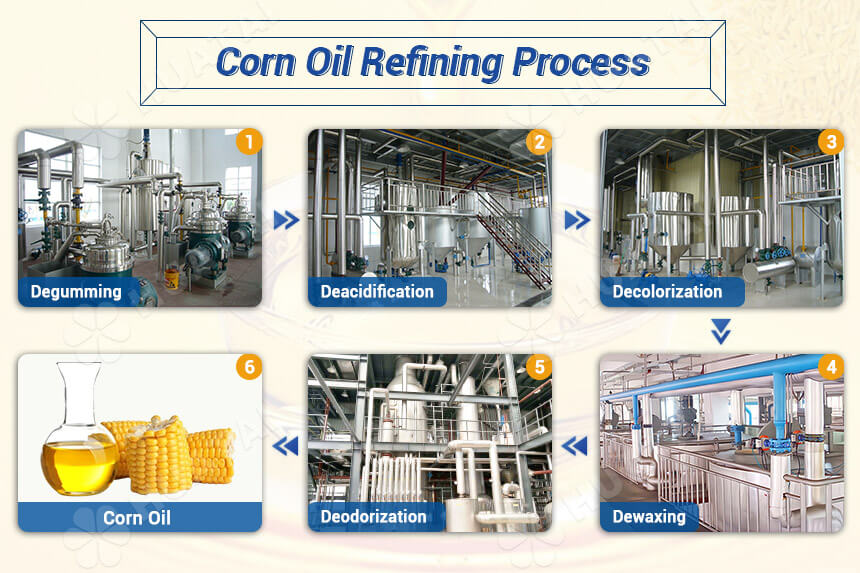
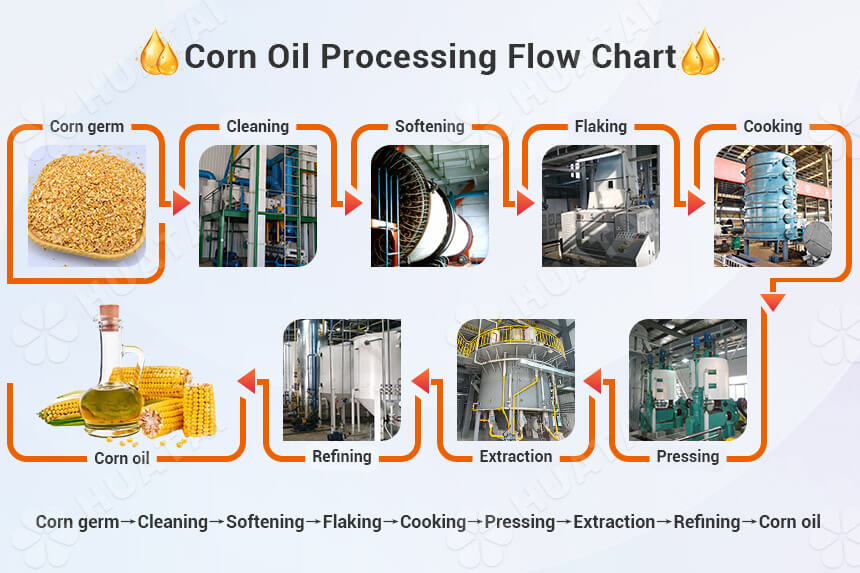
The corn oil refining process removes harmful substances from crude oil through physical or chemical methods to produce edible oil suitable for eating.
LEARN MORE
The corn oil refining process removes harmful substances from crude oil through physical or chemical methods to produce edible oil suitable for eating.
LEARN MOREIn modern soybean processing, maximizing oil recovery while maintaining operational efficiency is the key to profitability. Huatai Group's 50 TPD Soybean Dr
LEARN MOREThe corn oil processing plant extracts oil from corn germ using methods such as pressing or a combination of pre-pressing and solvent extraction.
LEARN MOREThe linseed oil refining process includes degumming, neutralization, bleaching, and deodorization to convert crude linseed oil into edible oil suitable for human consumption.
LEARN MOREThis article provides a comprehensive overview of linseed oil manufacturing plant, from its nutritional value and extraction methods to market analysis.
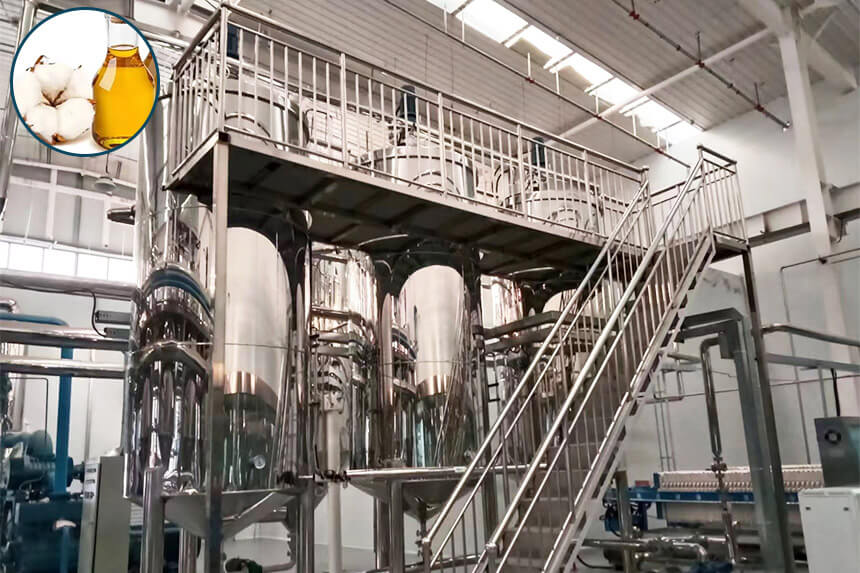
LEARN MOREExplore everything about cottonseed oil fractionation, including process, nutritional value, and setting up costs for plants of different scales.
LEARN MORESoybeans are widely recognized for their rich nutritional profile, serving as a vital source of protein and oil for both human consumption and animal feed. In
LEARN MOREExplore the complete process of cottonseed oil mill plant and different scales of costs, start investing in cottonseed oil industry now!
LEARN MORECottonseed oil refinery plant converts crude oil into edible oil for direct consumption through degumming, neutralization, bleaching, deodorization, and winterization.
LEARN MOREThe cold pressed canola oil extracts oil directly from canola seeds using purely physical mechanical pressure at 45-60℃.
LEARN MOREWhether you contact us by phone, email, or leave a message online, we will provide you with comprehensive and high-quality services.
Phone: 0086-183-3726-3319
WhatsApp:
Email: molly@cnhuataigroup.com
Address: Xiangjiang Road, Industry Zone, Hua County Henan Province, China
Huatai Intelligent Equipment Group
To be the world's most reliable provider of healthy edible oil equipment!
(1)大豆竖版-封面.jpg)


膨化机介绍-封面_副本.jpg)